Với hơn 10 năm kinh nghiệm về vận chuyển khí nén, Headpowder Sơn Đông cung cấp hệ thống, thiết bị và quạt gió toàn chuỗi, đảm nhận các dự án kỹ thuật bột trọn gói trên toàn quốc.
Managing the flow of wheat flour in your processing facility requires careful consideration of the equipment used to transport it. The right pneumatic conveying system is essential for ensuring the efficient, safe, and cost-effective handling of this delicate product. A well-designed system can minimize product degradation, prevent contamination, and optimize operational performance. This guide will help you understand the key factors to consider when selecting a pneumatic conveying system for your wheat flour handling process, with a focus on the expertise of Shandong HeadPowder Engineering Co., Ltd.
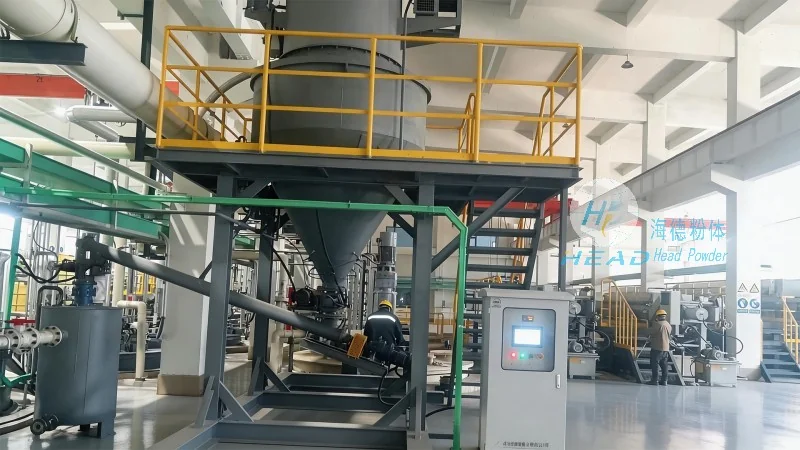
Understanding Pneumatic Conveying for Wheat Flour
Pneumatic conveying systems use air or other gases to transport bulk materials like wheat flour through a network of pipes. These systems are preferred in the food industry due to their ability to handle fine powders without causing damage or contamination. The two main types are pressure and vacuum systems, each with distinct applications. For wheat flour, which is a light, fine powder, the system must be designed to handle gentle handling and maintain product integrity throughout the transport process.
Key Factors in System Selection
Choosing the right pneumatic conveying system involves evaluating several critical factors to ensure optimal performance. The first is the material characteristics of wheat flour. Wheat flour is sensitive to moisture, temperature, and mechanical stress, so the system must minimize these factors. This includes controlling conveying velocity and pressure to avoid particle breakage or caking. The system should also be easy to clean and maintain to comply with food safety regulations.
The transport distance and layout of the facility is another key consideration. Short distances may use vacuum systems, which are less pressure-intensive and suitable for gentle handling. Longer distances or complex layouts often require pressure systems, which maintain consistent flow over greater distances. The facility's layout, including silo positions and processing equipment, will influence pipe configuration and system type.
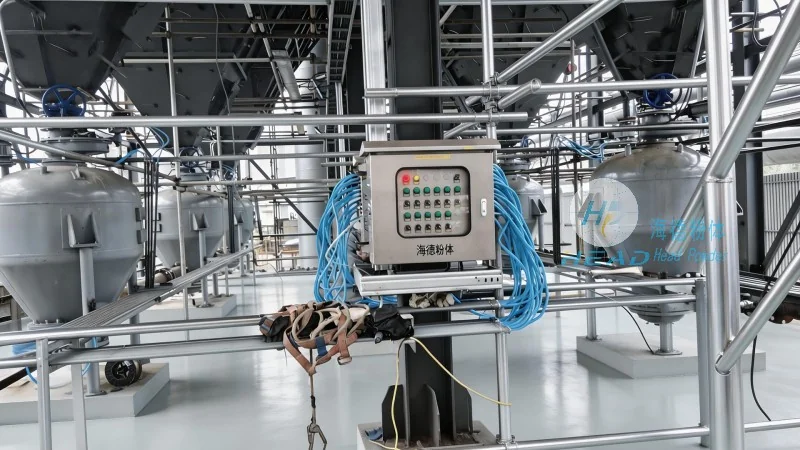
System capacity and flow rate are critical for matching production needs. High-capacity systems are needed for large-scale operations, while smaller systems suffice for lower throughput. Consistent flow rates prevent bottlenecks and ensure smooth operation. Energy efficiency is also important, as pneumatic systems can consume significant energy. Efficient components like high-performance air compressors and well-designed ductwork reduce long-term costs.
System Types for Wheat Flour
Pressure systems use compressed air to push flour through pipes, ideal for longer distances and higher capacities. Vacuum systems use suction, better for shorter distances and gentle handling. A combined pressure-vacuum system integrates both, suitable for complex layouts. For wheat flour, positive displacement blowers are preferred over traditional compressors—they provide consistent flow, lower noise, and gentler handling, reducing product degradation.
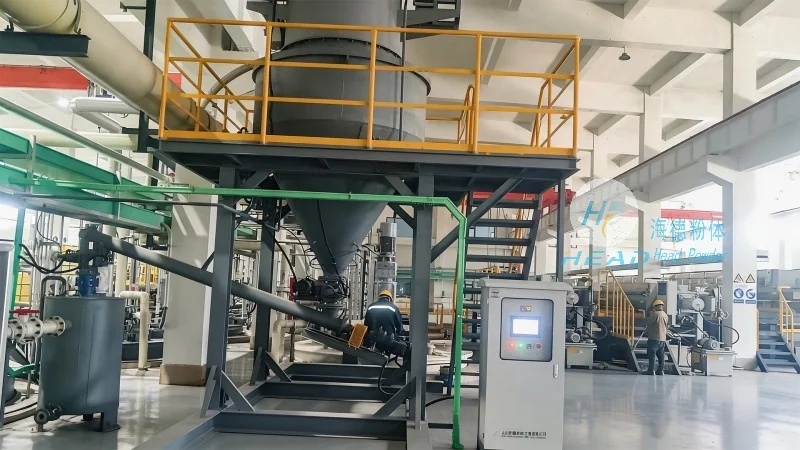
Design and Installation
The system design must prioritize product quality and safety. Stainless steel components prevent contamination and ensure easy cleaning. Filters and separators remove debris or moisture, protecting flour quality. Installation by experienced professionals ensures proper layout and compliance with food regulations. Thorough testing before operation verifies performance and safety.
Maintenance and Troubleshooting
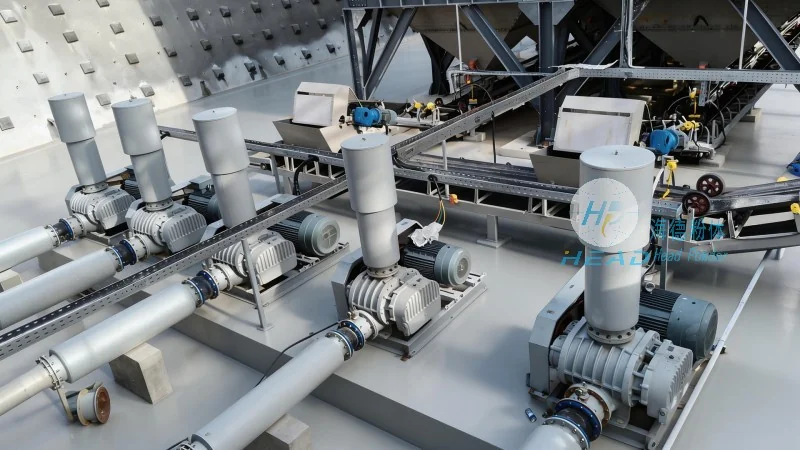
Regular maintenance is vital for system longevity. Inspect for leaks, clogs, or wear in components like the air compressor. Clean the system to prevent flour buildup, which can cause clogs or reduced flow. Troubleshoot issues like low flow rates (often due to clogged filters) or clogs (from residue buildup) promptly to avoid downtime.
Conclusion
Selecting the right pneumatic conveying system for wheat flour handling requires balancing material needs, facility layout, and operational efficiency. Shandong HeadPowder Engineering Co., Ltd. specializes in designing tailored systems that meet these requirements, ensuring optimal performance and cost-effectiveness. By considering factors like material handling, system capacity, and energy efficiency, you can choose a system that maintains the quality of your wheat flour while supporting your production goals.

 Shandong Headpowder Engineering Co., Ltd.
 156-6277-7102(Quản lý Trương)
  0531-83386006
  Thành phố Tế Nam, Tỉnh Sơn Đông, Trung Quốc
Điện thoại
WeChatTư vấn
Lên đầu