Với hơn 10 năm kinh nghiệm về vận chuyển khí nén, Headpowder Sơn Đông cung cấp hệ thống, thiết bị và quạt gió toàn chuỗi, đảm nhận các dự án kỹ thuật bột trọn gói trên toàn quốc.
When it comes to managing white clay in industrial processes, selecting the appropriate pneumatic conveying system is crucial for efficiency, cost-effectiveness, and operational reliability. White clay, often used in applications like paper manufacturing, ceramics, and chemical production, presents unique handling challenges due to its fine particle size and potential for dust generation. A well-designed pneumatic conveying system can address these challenges while optimizing material flow and minimizing downtime. This guide will help you navigate the key factors to consider when choosing a pneumatic conveying system for your white clay handling needs.
HeadPowder, a leading provider of engineering solutions, understands the complexities of white clay processing. With years of experience in the industry, our team at Shandong HeadPowder Engineering Co., Ltd. in China has developed expertise in designing and implementing tailored pneumatic conveying systems that meet the specific demands of white clay applications. Our approach focuses on understanding your process requirements, material characteristics, and operational goals to deliver a system that enhances productivity and ensures safe, efficient material transport.
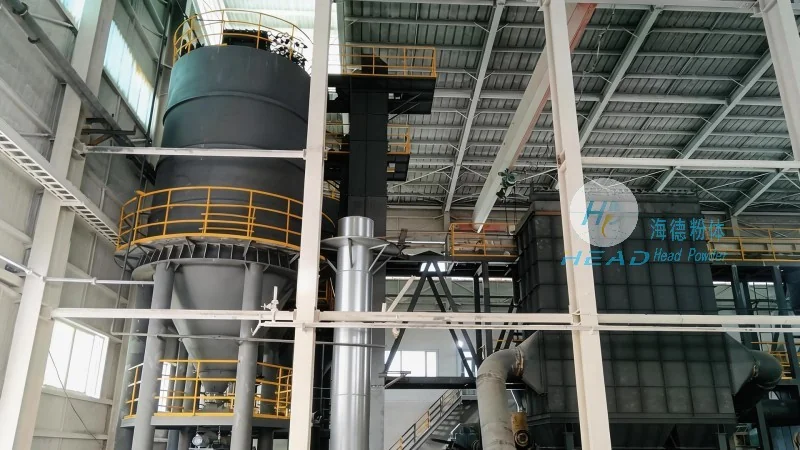
One of the primary considerations when selecting a pneumatic conveying system for white clay is the system type. There are two main categories: dilute-phase and dense-phase systems. Dilute-phase systems use high velocities to move particles through a pipeline, while dense-phase systems use lower velocities and higher pressure to create a slurry-like flow. For white clay, which is often fine and can be prone to caking, a dilute-phase system may be more suitable as it can handle the material with less risk of blockages. However, dense-phase systems can be advantageous when transporting larger quantities or when the material needs to be delivered gently to avoid degradation.
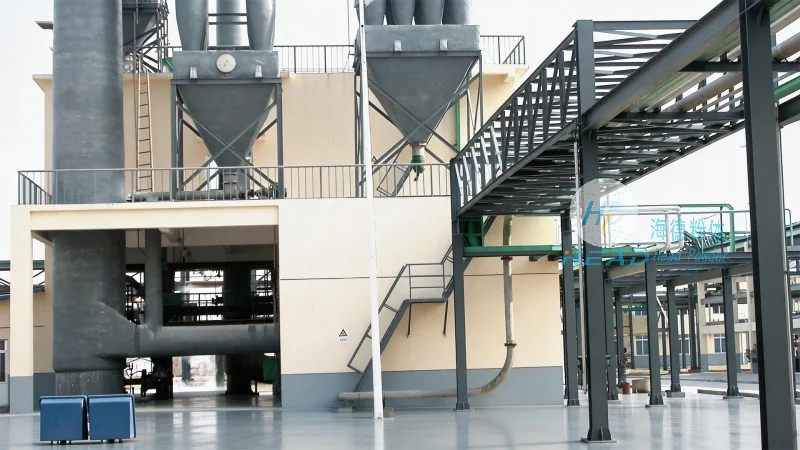
Another critical factor is the material's properties. White clay typically has a low bulk density and can be abrasive, which affects the choice of equipment components. The system's pipeline material, such as stainless steel or special alloys, must be selected to withstand the abrasive nature of the clay and resist corrosion. Additionally, the system's design should include features like in-line mixers or agitators to prevent material settling and ensure consistent flow. HeadPowder's engineers consider these factors in detail, using advanced simulation tools to model the material behavior and optimize the system design.
System capacity and flow rate are also essential considerations. The required throughput depends on your production volume and the frequency of material transport. A system that can handle varying flow rates, such as those with variable speed drives or adjustable air flow controls, offers greater flexibility. For white clay applications, where the material may need to be transported over long distances or through multiple processing stages, a system with sufficient capacity and reliable control mechanisms is vital. HeadPowder's solutions are designed to accommodate these varying demands, ensuring smooth operation even under fluctuating production conditions.
Energy efficiency is another key aspect to evaluate. Pneumatic conveying systems can consume significant energy, especially in large-scale operations. Choosing a system with efficient air compressors, proper pipeline sizing, and optimized air flow can reduce energy costs and environmental impact. HeadPowder's systems incorporate energy-saving features, such as variable frequency drives (VFDs) and intelligent control systems, to minimize energy consumption while maintaining performance. This not only lowers operational costs but also aligns with sustainability goals in modern industrial operations.
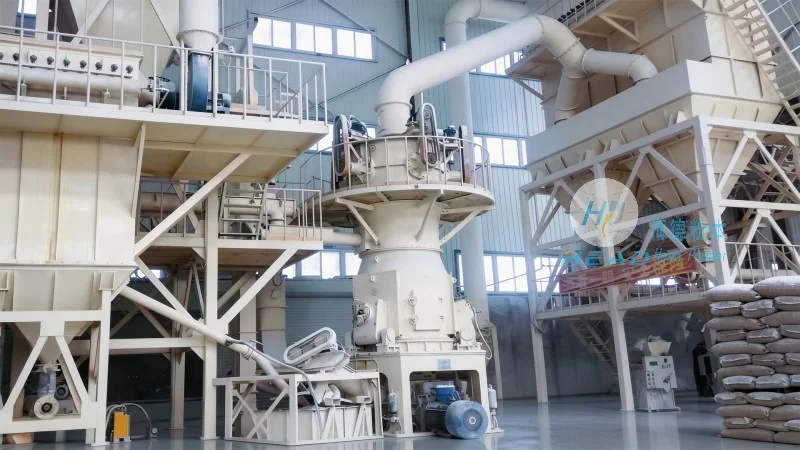
Installation and maintenance considerations are equally important. The system's layout, including the placement of hoppers, pipelines, and receivers, must be planned to minimize material handling and reduce the risk of contamination. Easy access to components for maintenance is crucial for preventing downtime. HeadPowder's engineering team provides comprehensive support, including site surveys and installation guidance, to ensure the system is set up correctly and can be maintained efficiently. Our commitment to quality and customer service ensures that your system operates reliably over its lifespan.
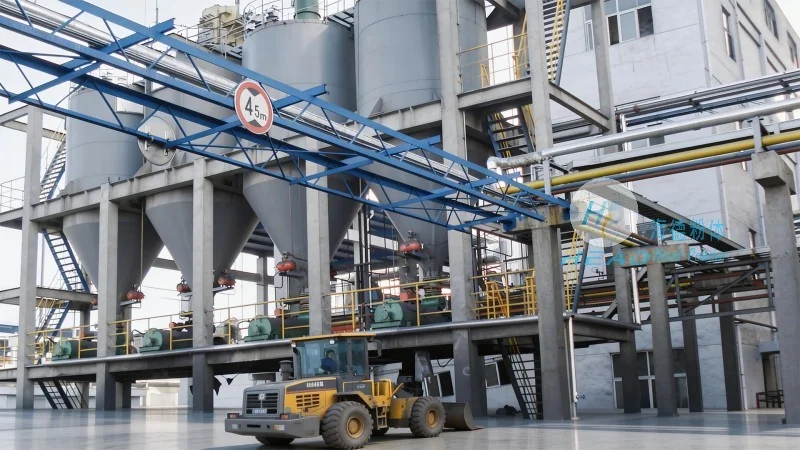
In conclusion, selecting the right pneumatic conveying system for your white clay handling process requires a thorough understanding of your specific needs and the material's characteristics. By considering factors such as system type, material properties, capacity, energy efficiency, and maintenance, you can choose a solution that enhances productivity and ensures long-term operational success. HeadPowder, with its expertise and tailored approach, is ready to assist you in finding the optimal pneumatic conveying system for your white clay applications. Contact us today to learn more about how our solutions can improve your white clay handling process.

 Shandong Headpowder Engineering Co., Ltd.
 156-6277-7102(Quản lý Trương)
  0531-83386006
  Thành phố Tế Nam, Tỉnh Sơn Đông, Trung Quốc
Điện thoại
WeChatTư vấn
Lên đầu