Với hơn 10 năm kinh nghiệm về vận chuyển khí nén, Headpowder Sơn Đông cung cấp hệ thống, thiết bị và quạt gió toàn chuỗi, đảm nhận các dự án kỹ thuật bột trọn gói trên toàn quốc.
Biomass pellet conveying is a critical process in various industrial applications, particularly in the energy sector where biomass is used as a renewable fuel source. The efficiency and reliability of the conveying system directly impact the overall performance of biomass processing plants. As the demand for sustainable energy solutions grows, the need for advanced and efficient conveying technologies becomes increasingly important. This article explores the different methods used for biomass pellet transport and highlights the innovative solutions offered by Shandong HeadPowder Engineering Co., Ltd., commonly known as HeadPowder, based in Shandong, China.
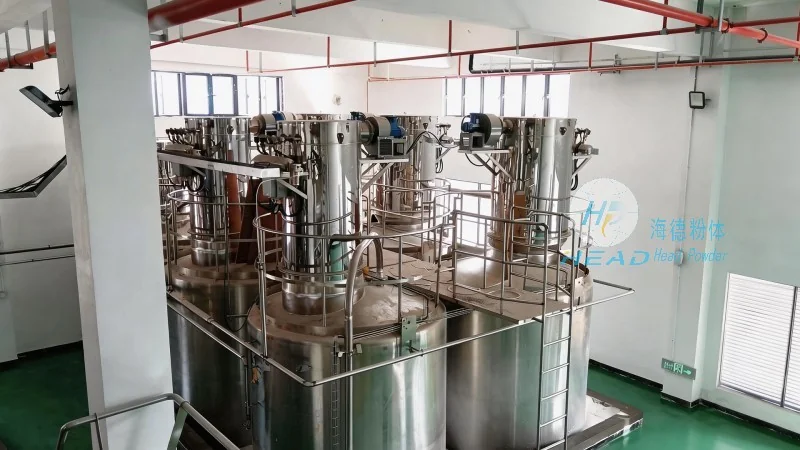
Overview of Biomass Pellet Conveying Methods
There are several conventional and modern methods employed for transporting biomass pellets. These methods vary in terms of their operational principles, cost, and suitability for different plant sizes and operational conditions. The primary categories of biomass pellet conveying systems include mechanical conveying, pneumatic conveying, and hybrid systems. Each method has its own advantages and limitations, which are crucial to consider when selecting the most appropriate solution for a specific application.
1. Mechanical Conveying Systems
Mechanical conveying systems utilize physical components such as belts, screws, and buckets to move biomass pellets from one location to another. These systems are often preferred for short-distance and low-capacity applications due to their relatively low initial investment and simplicity in operation. Belt conveyors, for instance, are widely used in bulk material handling, providing a continuous and reliable method for transporting biomass pellets over moderate distances. Screw conveyors, on the other hand, are effective for vertical or inclined transport, making them suitable for elevating pellets from lower to higher levels within a facility. While mechanical systems are straightforward and easy to maintain, they may face challenges with high-capacity requirements or the need to handle abrasive materials, which can lead to increased wear and maintenance costs.
2. Pneumatic Conveying Systems
Pneumatic conveying systems, also known as air-based or gas-powered systems, use compressed air or other gases to transport biomass pellets through a pipeline network. This method offers several advantages, including the ability to handle high capacities, transport materials over long distances, and operate in a closed system, which helps maintain material integrity and reduces dust emissions. Pneumatic conveying can be further categorized into different types, including dilute-phase and dense-phase systems, each with distinct characteristics and applications.
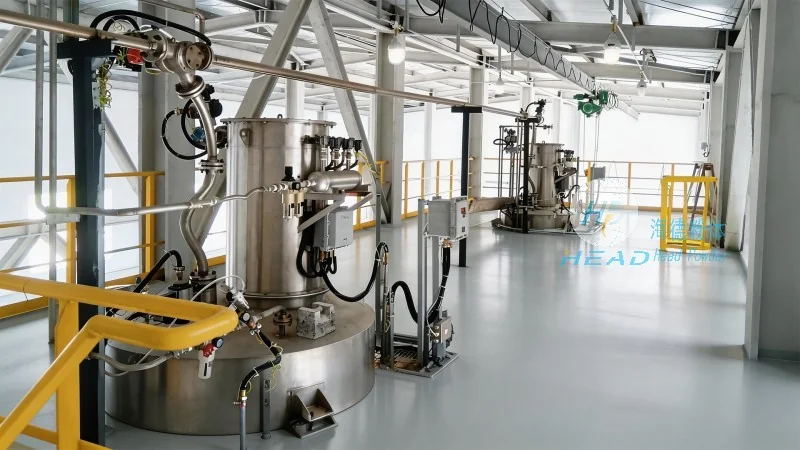
2.1 Dilute-Phase Pneumatic Conveying
Dilute-phase pneumatic conveying involves the transport of biomass pellets in a low concentration of material suspended in the air stream. This method is typically used for short to medium distances and moderate capacities. The pellets are carried by the air flow, and the system relies on the velocity of the air to maintain the material in suspension. Dilute-phase systems are often more cost-effective for lower capacity applications and are suitable for materials that are less abrasive and have a relatively uniform size. However, they may not be as efficient for long-distance transport or when dealing with high-density materials, as the air velocity required can be high, leading to increased energy consumption.
2.2 Dense-Phase Pneumatic Conveying
Dense-phase pneumatic conveying, also known as low-pressure or slugging systems, operates at lower air velocities and higher material concentrations. In this method, the biomass pellets are conveyed in a dense slug or plug, which reduces the air velocity and minimizes particle attrition. This approach is particularly beneficial for transporting abrasive or fragile materials over longer distances without causing excessive wear on the system components. Dense-phase systems are often used in applications where the material needs to be delivered gently and with minimal degradation, such as in food processing or pharmaceutical industries. However, they generally require higher pressure and may have higher capital costs compared to dilute-phase systems.
3. Hybrid Conveying Systems
Hybrid conveying systems combine elements of both mechanical and pneumatic conveying to leverage the benefits of each approach. For example, a system might use a mechanical conveyor to transport biomass pellets to a pneumatic conveying line, or a combination of screw and pneumatic components to achieve optimal performance. These systems are designed to address specific operational challenges, such as handling varying material properties or meeting high throughput requirements. Hybrid systems can offer greater flexibility and efficiency compared to single-method solutions, but they may also involve higher complexity and maintenance requirements.
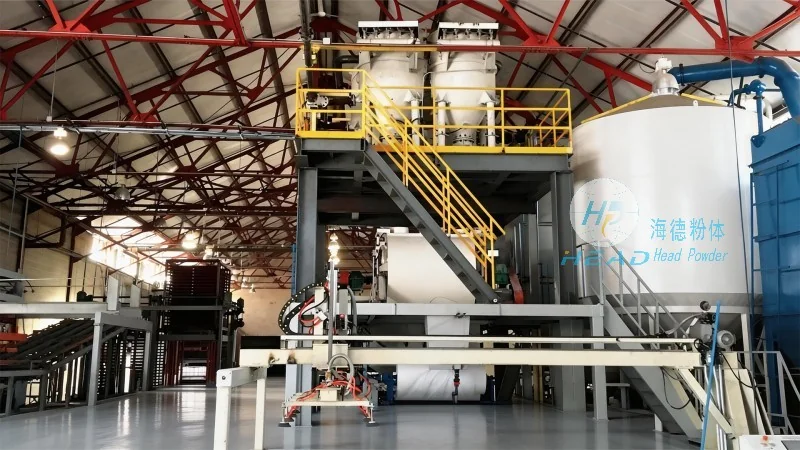
HeadPowder's Pneumatic Conveying Solutions
Shandong HeadPowder Engineering Co., Ltd. specializes in the design, manufacturing, and installation of advanced pneumatic conveying systems tailored to the unique needs of biomass pellet processing facilities. HeadPowder's solutions are engineered to provide high efficiency, reliability, and durability, ensuring that biomass pellets are transported safely and effectively from storage to processing units. The company's expertise lies in the selection of appropriate pneumatic conveying technologies, such as dilute-phase or dense-phase systems, based on the specific requirements of each project, including distance, capacity, and material characteristics.
Key Features of HeadPowder's Pneumatic Conveying Systems
HeadPowder's pneumatic conveying systems are equipped with several key features that enhance their performance and longevity. These include high-quality materials of construction, such as stainless steel and corrosion-resistant alloys, which are essential for handling biomass pellets that may contain moisture or corrosive components. The systems are also designed with efficient air compressors and filtration systems to ensure optimal air quality and reduce energy consumption. Additionally, HeadPowder incorporates advanced control systems that allow for precise regulation of the conveying process, enabling operators to adjust parameters such as air pressure and flow rate to match varying production demands. The company's commitment to quality and innovation is reflected in the robust design and reliable operation of its pneumatic conveying solutions.
Application Examples and Benefits
HeadPowder's pneumatic conveying systems have been successfully implemented in various biomass processing facilities across China and beyond. These systems have demonstrated significant benefits, including increased throughput, reduced downtime, and improved material handling efficiency. For instance, in a biomass power plant, HeadPowder's dense-phase pneumatic conveying system was installed to transport high-density biomass pellets over a distance of 500 meters, achieving a capacity of 100 tons per hour with minimal material degradation. The system's ability to handle abrasive materials and maintain consistent flow rates contributed to the plant's improved operational performance and reduced maintenance costs. Similarly, in a biomass pellet production facility, HeadPowder's dilute-phase system was used to transport pellets from the drying and cooling section to the packaging area, ensuring a smooth and continuous process flow. The benefits of using HeadPowder's pneumatic conveying solutions extend beyond operational efficiency, as they also contribute to environmental sustainability by reducing dust emissions and improving overall plant safety.
Conclusion
In conclusion, the choice of biomass pellet conveying method depends on various factors, including the distance to be covered, the required capacity, and the material properties. While mechanical systems offer simplicity and low cost for short distances, pneumatic conveying systems, particularly those offered by HeadPowder, provide superior performance for high-capacity and long-distance transport. HeadPowder's expertise in pneumatic conveying technology, combined with its commitment to quality and customer satisfaction, makes it a leading provider of biomass pellet conveying solutions. By selecting the appropriate conveying system and leveraging HeadPowder's advanced technologies, biomass processing facilities can enhance their operational efficiency, reduce costs, and contribute to a more sustainable energy future.

 Shandong Headpowder Engineering Co., Ltd.
 156-6277-7102(Quản lý Trương)
  0531-83386006
  Thành phố Tế Nam, Tỉnh Sơn Đông, Trung Quốc
Điện thoại
WeChatTư vấn
Lên đầu