Với hơn 10 năm kinh nghiệm về vận chuyển khí nén, Headpowder Sơn Đông cung cấp hệ thống, thiết bị và quạt gió toàn chuỗi, đảm nhận các dự án kỹ thuật bột trọn gói trên toàn quốc.
When it comes to the efficient and reliable transportation of bulk materials, the design of a pneumatic conveying system is a critical factor. Among the various materials used for such systems, thermoplastic polyurethane (TPU) stands out due to its unique properties, making it an ideal choice for many industrial applications. This article will guide you through the key considerations and steps involved in designing a reasonable thermoplastic polyurethane pneumatic conveying system plan, with a focus on practical implementation and performance optimization.
Understanding the Role of Thermoplastic Polyurethane in Pneumatic Conveying
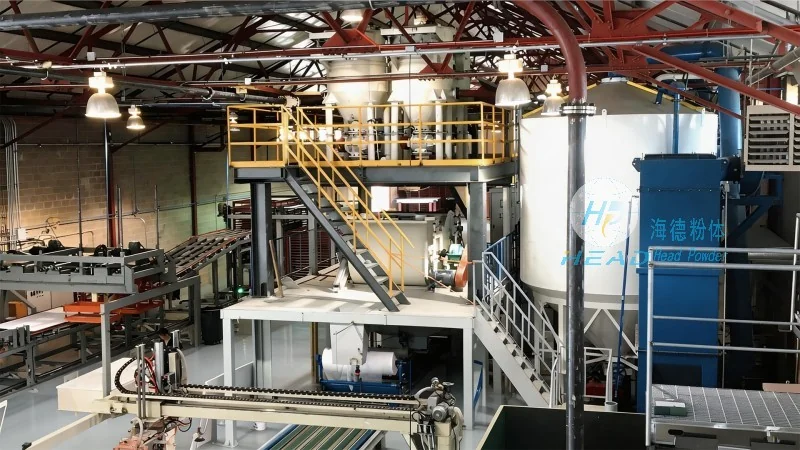
Thermoplastic polyurethane is a versatile polymer known for its excellent abrasion resistance, flexibility, and chemical stability. These characteristics make it particularly suitable for applications where the conveyed material is abrasive or where the system operates under varying environmental conditions. The material's ability to withstand repeated flexing and impact, combined with its low friction properties, reduces wear and tear on system components, thereby extending the overall lifespan of the equipment. For companies like Shandong HeadPowder Engineering Co., Ltd., based in China, the integration of TPU in pneumatic conveying systems represents a strategic advantage in delivering high-performance solutions to clients.
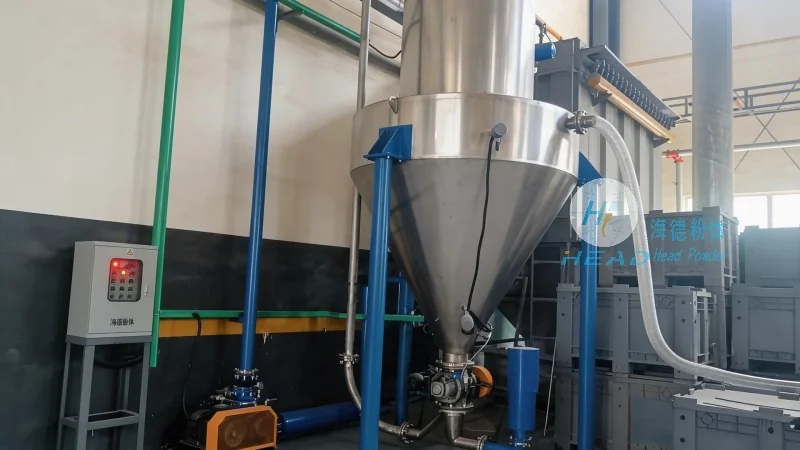
Key Design Considerations for Thermoplastic Polyurethane Pneumatic Conveying Systems
The design of a TPU-based pneumatic conveying system involves several critical considerations to ensure optimal performance and longevity. First, the selection of the appropriate TPU grade is paramount. Factors such as the material's hardness, tensile strength, and elongation at break must be carefully evaluated based on the specific characteristics of the bulk material being conveyed. For instance, materials with high abrasiveness may require a TPU with higher hardness and wear resistance, while materials that are more delicate might need a softer TPU to prevent damage.
Second, the system's layout and configuration play a crucial role. The design must account for the distance between the material source and the destination, the elevation changes, and the required flow rate. Properly sizing the air compressor, ductwork, and cyclone separators is essential to maintain consistent pressure and prevent material buildup or blockages. Shandong HeadPowder Engineering Co., Ltd. emphasizes the importance of a comprehensive design approach that considers both the material properties and the operational environment to ensure the system operates efficiently.
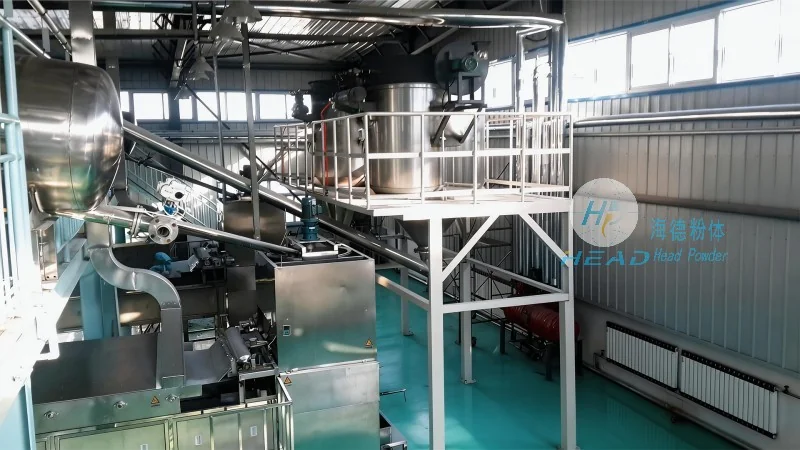
Components and Materials in a Thermoplastic Polyurethane Pneumatic Conveying System
A well-designed TPU pneumatic conveying system consists of several key components, each playing a vital role in the overall functionality. The primary components include the material hopper, which feeds the bulk material into the system; the air compressor, which generates the necessary airflow; the ductwork, which transports the material and air mixture; and the cyclone separator, which separates the material from the air for collection. The use of TPU in components such as hoses, liners, and flexible connectors provides enhanced durability and flexibility compared to traditional materials like rubber or metal.
For example, TPU hoses are commonly used in the conveying lines due to their resistance to abrasion and flexibility, allowing for easy installation and maintenance. The liners in the hopper and cyclone separator can be made from TPU to protect against wear from the abrasive material, reducing the need for frequent replacements. Shandong HeadPowder Engineering Co., Ltd. specializes in the integration of these components, ensuring that each part is optimized for the specific application requirements, thereby maximizing the system's efficiency and reliability.
Application Examples and Performance Optimization
The effectiveness of a thermoplastic polyurethane pneumatic conveying system is demonstrated through various industrial applications. In the food and pharmaceutical industries, where material purity and hygiene are critical, TPU systems are preferred due to their non-stick properties and ease of cleaning. In the chemical and mining sectors, where materials are often abrasive and heavy, TPU's durability and resistance to chemicals make it an ideal choice. Shandong HeadPowder Engineering Co., Ltd. has successfully implemented TPU-based systems in these industries, achieving significant improvements in material handling efficiency and reduced downtime.
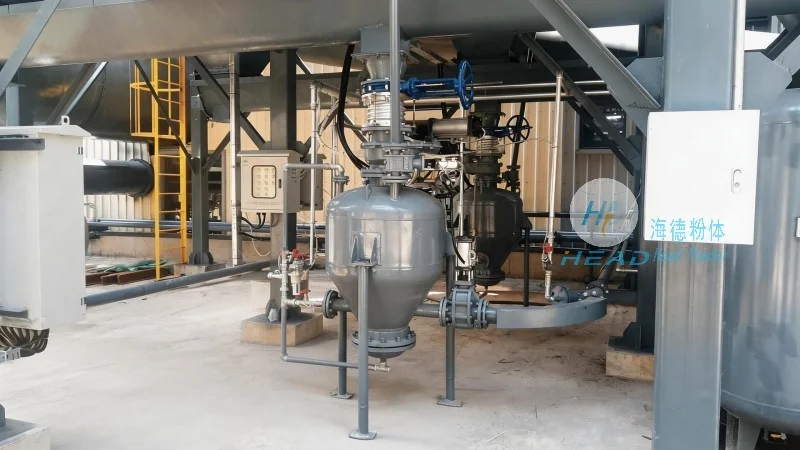
Performance optimization involves regular maintenance and monitoring of the system. This includes checking the air compressor pressure, inspecting the TPU components for signs of wear, and cleaning the cyclone separator to prevent clogging. By implementing a proactive maintenance schedule, companies can ensure that the system operates at peak performance, minimizing operational costs and maximizing productivity. Shandong HeadPowder Engineering Co., Ltd. provides comprehensive support, including maintenance services and technical advice, to help clients maintain their TPU pneumatic conveying systems in optimal condition.
Conclusion and Expertise from Shandong HeadPowder Engineering Co., Ltd.
Designing a reasonable thermoplastic polyurethane pneumatic conveying system requires a deep understanding of material properties, system components, and operational requirements. With its expertise in engineering and material science, Shandong HeadPowder Engineering Co., Ltd. is well-positioned to assist clients in developing and implementing effective TPU-based pneumatic conveying solutions. By focusing on durability, efficiency, and performance, companies can achieve reliable material handling while reducing long-term costs. Whether for new system installations or system upgrades, Shandong HeadPowder Engineering Co., Ltd. offers the knowledge and resources needed to design and deploy a successful thermoplastic polyurethane pneumatic conveying system plan.

 Shandong Headpowder Engineering Co., Ltd.
 156-6277-7102(Quản lý Trương)
  0531-83386006
  Thành phố Tế Nam, Tỉnh Sơn Đông, Trung Quốc
Điện thoại
WeChatTư vấn
Lên đầu