Với hơn 10 năm kinh nghiệm về vận chuyển khí nén, Headpowder Sơn Đông cung cấp hệ thống, thiết bị và quạt gió toàn chuỗi, đảm nhận các dự án kỹ thuật bột trọn gói trên toàn quốc.
Pneumatic conveying systems are crucial for the efficient and reliable transport of compound fertilizers in industrial settings. As a leading engineering firm, Shandong HeadPowder Engineering Co., Ltd. specializes in designing customized solutions that optimize material handling while ensuring operational safety and cost-effectiveness. This guide outlines the key considerations and steps involved in developing a rational compound fertilizer pneumatic conveying system plan, tailored to meet the specific needs of fertilizer production and distribution facilities.
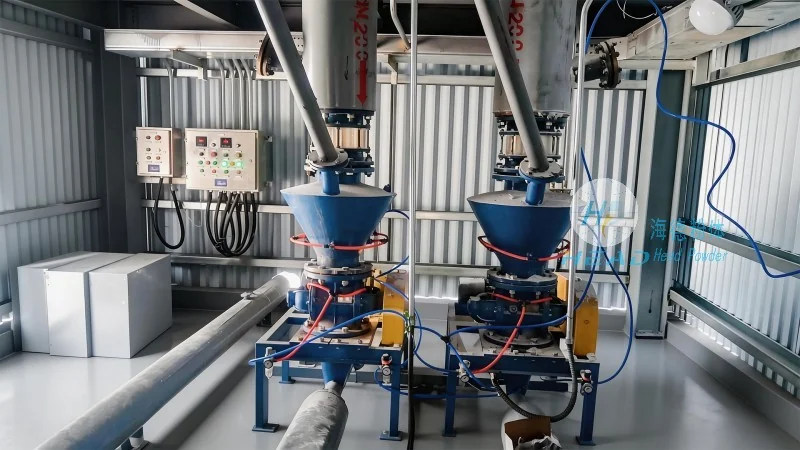
Understanding the Core Components of a Pneumatic Conveying System
A well-designed pneumatic conveying system for compound fertilizers typically consists of several interrelated components. The primary elements include a material feed hopper, a conveying line (either positive or negative pressure), a dust collector or filter system, and a discharge unit. Each component plays a vital role in maintaining the integrity of the fertilizer and ensuring smooth operation. For instance, the feed hopper must be designed to handle the bulk density and flow characteristics of the specific compound fertilizer being processed. The conveying line, whether positive or negative pressure, dictates the system's ability to transport materials over varying distances and at different flow rates. The dust collection system is essential for maintaining air quality and complying with environmental regulations, especially when dealing with fine or powdery fertilizers.
Choosing the Right Pneumatic Conveying Type for Compound Fertilizers
When designing a compound fertilizer pneumatic conveying system, selecting the appropriate conveying type is a critical decision. The two main categories are positive pressure and negative pressure systems. Positive pressure systems use a blower or fan to force air and material through the conveying line, making them suitable for long-distance or high-capacity applications. Negative pressure systems, on the other hand, use a vacuum to draw material into the line, which is often preferred for shorter distances or when handling materials that are prone to dust generation. The choice between these systems depends on factors such as the required conveying distance, the volume of material to be transported, and the physical properties of the fertilizer, including its particle size, moisture content, and flowability. Shandong HeadPowder Engineering Co., Ltd. conducts thorough assessments of these parameters to recommend the most efficient and cost-effective system type for each client's unique requirements.
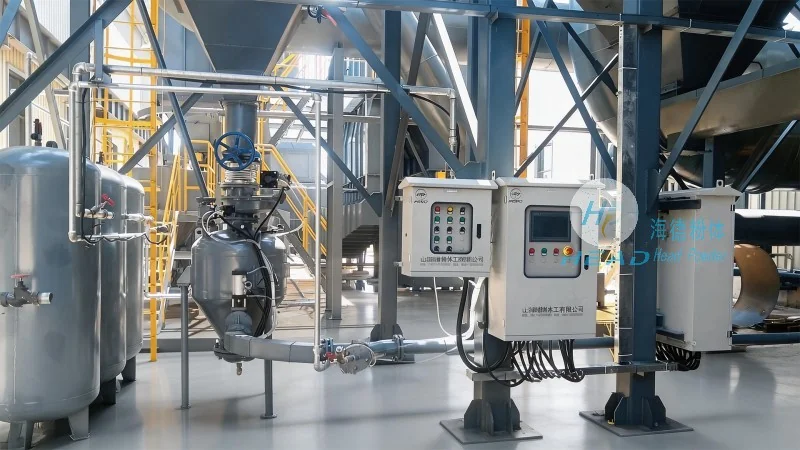
Key Design Considerations for Pneumatic Conveying System Efficiency
Several key factors must be considered to ensure the efficiency and reliability of a compound fertilizer pneumatic conveying system. First, the system's capacity must be matched to the production and handling requirements of the facility. This involves calculating the required flow rate based on the target throughput and the bulk density of the fertilizer. Second, the pressure drop across the conveying line must be minimized to reduce energy consumption and prevent material degradation. This is achieved through proper pipe sizing, the use of smooth, low-friction materials, and the avoidance of sharp bends or restrictions. Third, the selection of the correct blower or fan is paramount. The equipment must be capable of delivering the necessary air volume and pressure while operating within the energy efficiency standards. Additionally, the system should incorporate features such as airlocks and check valves to prevent backflow and maintain consistent material flow. These design elements collectively contribute to a system that operates efficiently, reduces maintenance costs, and extends the lifespan of the equipment.
Material Handling and Equipment Selection for Compound Fertilizers
The design of a pneumatic conveying system for compound fertilizers must also account for the specific handling characteristics of the material. Compound fertilizers often contain a mix of granules, powders, and possibly additives, which can affect their flowability and tendency to agglomerate. Therefore, the selection of equipment such as feeders, mixers, and silos is critical. For example, rotary valves or star feeders are commonly used to control the flow of bulk material from hoppers into the conveying line, ensuring a consistent and controlled feed rate. The material's moisture content is another important factor, as excessive moisture can lead to caking or blockages in the system. Proper drying or moisture control measures may be required before the material enters the conveying system. Furthermore, the system must be designed to handle any potential variations in material composition, such as changes in particle size or the addition of new additives, without compromising performance. Shandong HeadPowder Engineering Co., Ltd. employs advanced material testing and simulation techniques to ensure that all equipment is selected and configured to handle the specific challenges posed by compound fertilizers.
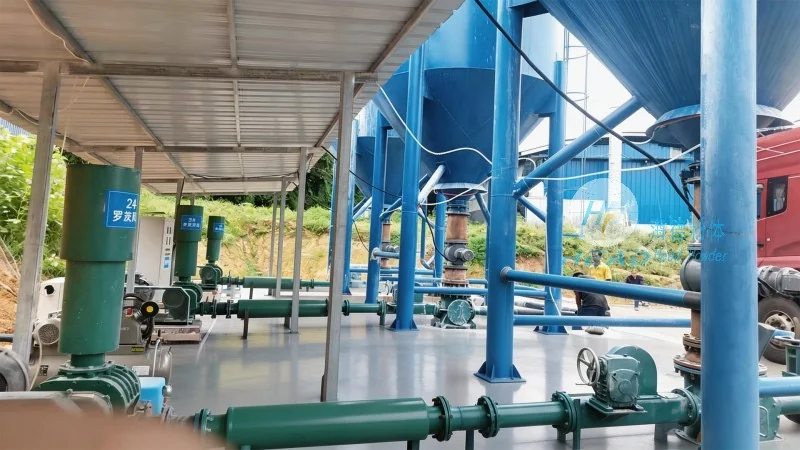
Ensuring System Reliability and Maintenance in Pneumatic Conveying
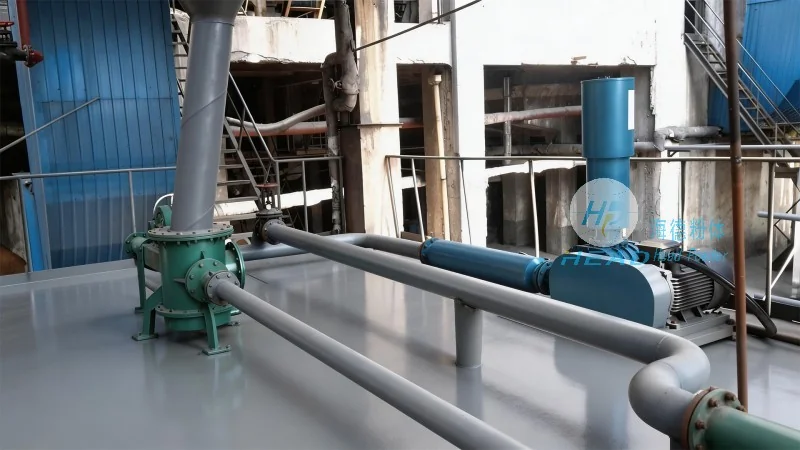
Reliability is a top priority when designing a compound fertilizer pneumatic conveying system. Regular maintenance and proper system design are essential to minimize downtime and ensure consistent operation. The system should include features such as automatic cleaning cycles for the filter or dust collector, which help maintain air quality and prevent clogging. Additionally, the use of durable materials for the conveying line and components, such as stainless steel or high-quality plastic, can extend the system's lifespan and reduce the risk of corrosion or wear. Regular inspections and maintenance schedules should be established to check for signs of wear, leaks, or performance degradation. By incorporating these reliability-focused design elements, facilities can achieve consistent material transport with minimal interruptions, ultimately improving overall operational efficiency. Shandong HeadPowder Engineering Co., Ltd. provides comprehensive maintenance and support services to ensure that their designed systems operate at peak performance throughout their service life.
Case Study: A Custom Pneumatic Conveying System for a Fertilizer Plant
As an example of a successful compound fertilizer pneumatic conveying system design, consider a project undertaken by Shandong HeadPowder Engineering Co., Ltd. for a large fertilizer production facility in China. The client required a system to transport 200 tons of compound fertilizer per hour over a distance of 500 meters from the production line to the storage silos. The system design involved a positive pressure conveying line with a high-efficiency blower, a rotary valve feeder, and a dust collection system. The engineers at HeadPowder conducted detailed material analysis to determine the optimal pipe diameter and pressure settings. The final system was installed and commissioned, achieving the target throughput with minimal energy consumption and low maintenance requirements. The client reported significant improvements in material handling efficiency and reduced labor costs compared to their previous manual or mechanical conveying methods. This case study illustrates the effectiveness of a well-designed pneumatic conveying system in enhancing the productivity and profitability of fertilizer production facilities.
Conclusion: Designing a Rational Compound Fertilizer Pneumatic Conveying System
Designing a rational compound fertilizer pneumatic conveying system requires a comprehensive approach that considers the specific characteristics of the material, the operational requirements of the facility, and the long-term goals of the client. By carefully selecting the appropriate system type, optimizing component design, and incorporating reliability-focused features, engineers can create a solution that maximizes efficiency, reduces costs, and ensures safe and consistent material transport. Shandong HeadPowder Engineering Co., Ltd. brings extensive expertise in this field, combining technical knowledge with practical experience to deliver customized pneumatic conveying systems that meet the unique needs of fertilizer producers. Whether for new installations or system upgrades, partnering with a specialized engineering firm like HeadPowder is essential to achieve optimal results in compound fertilizer handling and transportation.

 Shandong Headpowder Engineering Co., Ltd.
 156-6277-7102(Quản lý Trương)
  0531-83386006
  Thành phố Tế Nam, Tỉnh Sơn Đông, Trung Quốc
Điện thoại
WeChatTư vấn
Lên đầu