Với hơn 10 năm kinh nghiệm về vận chuyển khí nén, Headpowder Sơn Đông cung cấp hệ thống, thiết bị và quạt gió toàn chuỗi, đảm nhận các dự án kỹ thuật bột trọn gói trên toàn quốc.
When it comes to managing wood dust in industrial settings, the design of an efficient and reliable pneumatic conveying system is crucial. Proper system design ensures that wood dust is transported safely, effectively, and with minimal operational issues. This article will explore key considerations and steps involved in designing a reasonable wood dust pneumatic conveying system, focusing on practical solutions tailored to the unique characteristics of wood dust.
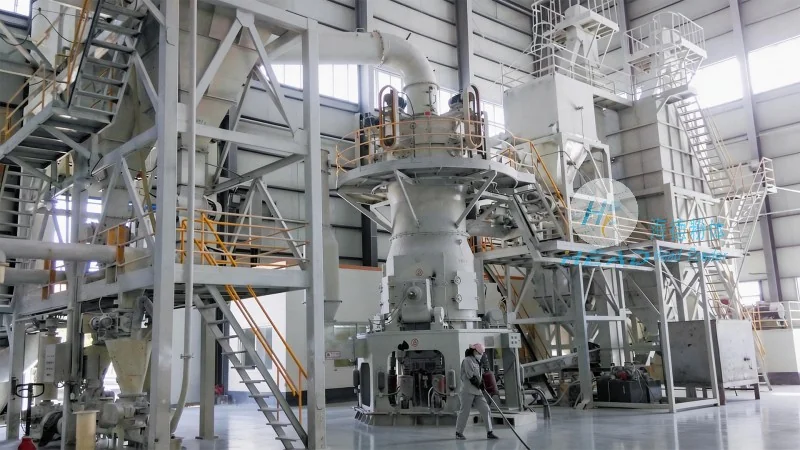
Understanding the Core Components of a Pneumatic Conveying System
A pneumatic conveying system for wood dust typically consists of several critical components. These include the dust source, a conveying line (either positive or negative pressure), a dust collector or receiver, and necessary auxiliary equipment such as filters, valves, and controls. Each component plays a vital role in the overall system performance. The choice of system type—whether positive pressure, negative pressure, or a hybrid approach—depends on factors like the distance to be covered, the volume of dust to be moved, and the specific properties of the wood dust itself.
Key Design Considerations for Wood Dust Pneumatic Conveying
Designing a system for wood dust requires careful attention to several factors to ensure optimal performance and longevity. First, the particle size and moisture content of the wood dust are critical. Wood dust often has a wide range of particle sizes, which can affect the system's air flow requirements and the risk of blockages. Moisture content can also impact the dust's flowability and the potential for caking, which may require additional drying or conditioning steps. Additionally, the system's operating pressure and air velocity must be carefully calculated to prevent excessive wear on components and to maintain efficient dust transport.
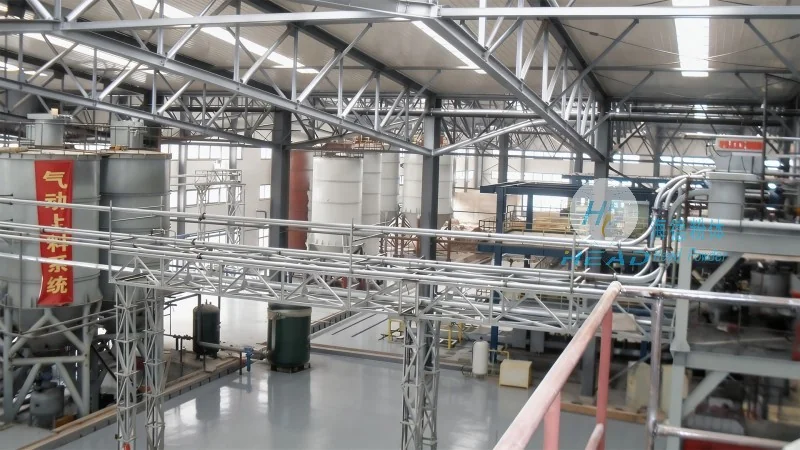
System Type Selection: Positive vs. Negative Pressure
For wood dust applications, both positive and negative pressure systems have their advantages and are chosen based on specific operational needs. Positive pressure systems use a blower to generate air flow and push the dust through the conveying line. These systems are often preferred for long-distance or high-volume applications as they can maintain consistent air pressure and reduce the risk of dust leakage. Negative pressure systems, on the other hand, use a vacuum to draw dust from the source and pull it through the line. They are typically used for shorter distances or when the dust source is located in an enclosed area, as they help contain dust within the system.
Pipeline Design and Sizing
The design of the conveying pipeline is another critical aspect of system performance. The diameter and length of the pipeline must be sized appropriately to handle the expected air flow and dust volume without causing excessive pressure drop or turbulence. For wood dust, which can be abrasive and prone to clogging, using smooth, corrosion-resistant materials like stainless steel or high-density polyethylene is recommended. The pipeline should also be designed with appropriate bends and elbows to minimize pressure losses and prevent dust accumulation in low-flow areas. Properly sized and designed pipelines ensure that the system operates efficiently and reduces maintenance costs over time.
Equipment Selection and Integration
Choosing the right equipment for a wood dust pneumatic conveying system is essential for long-term reliability. The dust source may require a hopper or feeder to ensure consistent material flow into the system. The conveying line may include components such as cyclones or filters to separate the dust from the air stream, especially if the system uses a negative pressure approach. The receiver or storage tank should be designed to handle the volume of dust and prevent overfilling. Additionally, incorporating control valves and sensors allows for real-time monitoring and adjustment of the system, ensuring it operates within optimal parameters. Proper integration of these components ensures that the system is not only efficient but also safe and easy to maintain.
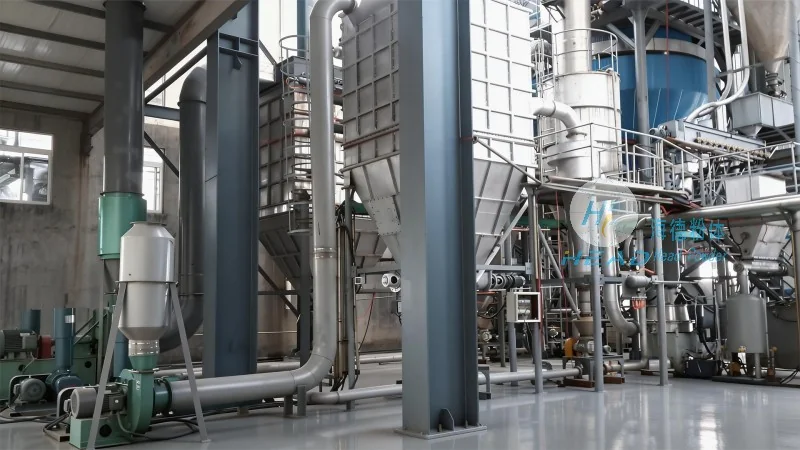
Considerations for Safety and Environmental Compliance
When designing a wood dust pneumatic conveying system, safety and environmental compliance are paramount. Wood dust is a combustible material, and proper system design must include measures to prevent dust explosions. This may involve installing explosion-proof components, using inert gas systems, or implementing dust suppression measures. Additionally, the system should be designed to minimize dust emissions and comply with local environmental regulations. Proper filtration and collection systems are essential to ensure that the air discharged from the system meets safety and environmental standards. These considerations not only protect workers and the environment but also help avoid costly fines and operational disruptions.
Case Study: A Successful Wood Dust Pneumatic Conveying System by Shandong HeadPowder Engineering Co., Ltd.
Shandong HeadPowder Engineering Co., Ltd., a leading provider of industrial dust handling solutions, has successfully implemented numerous wood dust pneumatic conveying systems for clients across China. One notable project involved designing a positive pressure system for a wood processing facility in Shandong, China. The system was tailored to handle large volumes of wood dust over a distance of 150 meters, with a particle size range of 0.1 to 2 millimeters. The design included stainless steel pipelines, a high-efficiency cyclone separator, and a blower with adjustable pressure control. The system has been in operation for over two years, achieving high efficiency with minimal downtime and maintenance. This case study highlights the importance of a well-designed system that considers all relevant factors, including material properties, operational requirements, and safety considerations.
Conclusion: Designing for Long-Term Success
Designing a reasonable wood dust pneumatic conveying system requires a comprehensive approach that considers the unique characteristics of wood dust, operational requirements, and safety regulations. By carefully selecting the system type, designing the pipeline and equipment, and integrating proper controls and safety measures, industrial facilities can achieve efficient and reliable dust handling. Shandong HeadPowder Engineering Co., Ltd. specializes in providing customized solutions for wood dust pneumatic conveying systems, ensuring that clients receive systems that meet their specific needs and operate efficiently over the long term. With a focus on quality and customer satisfaction, HeadPowder continues to be a trusted partner in industrial dust management.

 Shandong Headpowder Engineering Co., Ltd.
 156-6277-7102(Quản lý Trương)
  0531-83386006
  Thành phố Tế Nam, Tỉnh Sơn Đông, Trung Quốc
Điện thoại
WeChatTư vấn
Lên đầu