Với hơn 10 năm kinh nghiệm về vận chuyển khí nén, Headpowder Sơn Đông cung cấp hệ thống, thiết bị và quạt gió toàn chuỗi, đảm nhận các dự án kỹ thuật bột trọn gói trên toàn quốc.
When designing a powder pneumatic conveying system, a systematic approach is essential to ensure efficiency, reliability, and cost-effectiveness. This article outlines key considerations and steps for developing an optimal system plan, tailored to the specific needs of your operation.
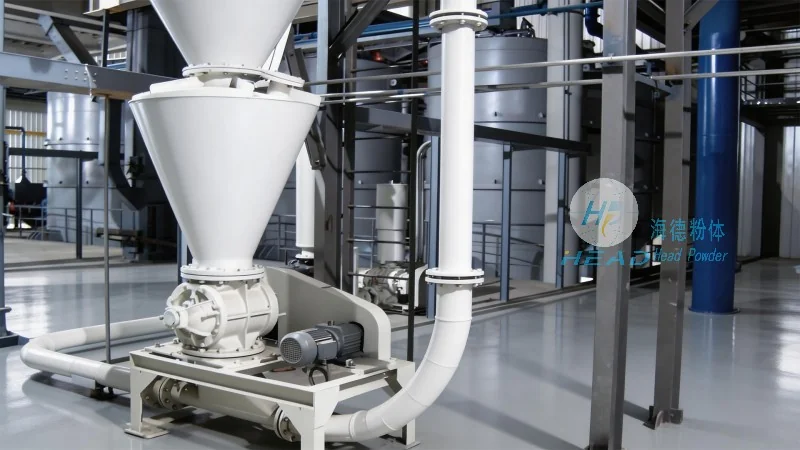
Understanding the Core Principles of Powder Pneumatic Conveying
Pneumatic conveying systems transport bulk powders using compressed air or other gases as the conveying medium. The primary goal is to move materials from a source to a destination while maintaining product integrity, minimizing degradation, and optimizing energy use. The design process begins with a thorough analysis of the material characteristics and operational requirements.
Step 1: Material Characterization and Process Requirements Analysis
Before selecting equipment or determining system parameters, it is crucial to characterize the powder being conveyed. Key properties include particle size distribution, density, moisture content, flowability, and abrasiveness. These factors directly impact the choice of conveying method (e.g., positive pressure, negative pressure, or hybrid systems) and the required air velocity. Additionally, process requirements such as the desired conveying distance, flow rate, and system capacity must be clearly defined. This initial step ensures that the system is tailored to the specific application, avoiding over-engineering or under-performance.
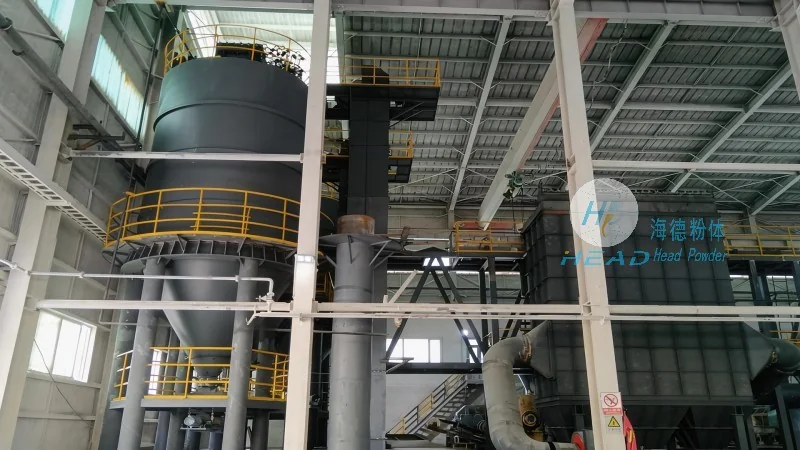
Step 2: Determining the Conveying Method and System Type
Based on the material analysis and process requirements, the next step is to select the appropriate conveying method. The two main categories are positive pressure and negative pressure systems. Positive pressure systems use a blower or compressor to force air and material through the pipeline, making them suitable for long distances and high flow rates. Negative pressure systems, on the other hand, use a vacuum to draw material into the system, which is ideal for short distances and when material is to be collected from multiple points. Hybrid systems combine elements of both, offering flexibility for complex layouts. The choice of system type influences the selection of components such as the air source, filters, and separation equipment.
Step 3: Calculating Air Velocity and Pressure Drop
Accurate calculation of air velocity and pressure drop is critical for system performance. The air velocity must be sufficient to maintain the powder in suspension but not so high as to cause excessive wear on the equipment or excessive energy consumption. The pressure drop across the system is a key factor in determining the required power for the air source. This calculation involves considering the length of the pipeline, number of bends, and any additional components like filters or cyclones. Properly sizing the air source and ensuring adequate pressure ensures smooth operation and prevents system failures.
Step 4: Selecting Key Equipment Components
The selection of equipment components is a critical phase in system design. Key components include the air source (blower or compressor), conveying pipelines (material of construction, diameter, and length), feeding devices (hoppers, rotary valves, or feeders), separation equipment (cyclones or filters), and control systems. The material of construction for the pipelines and equipment must be chosen based on the powder's chemical compatibility and abrasiveness. For example, stainless steel is often used for corrosive or abrasive materials, while plastic or coated pipes may be suitable for less aggressive powders. The feeding device must be capable of providing a consistent flow rate to prevent blockages or uneven material distribution. Separation equipment is essential for removing air from the material stream and preventing dust emissions, ensuring compliance with environmental regulations.
Step 5: System Layout and Integration
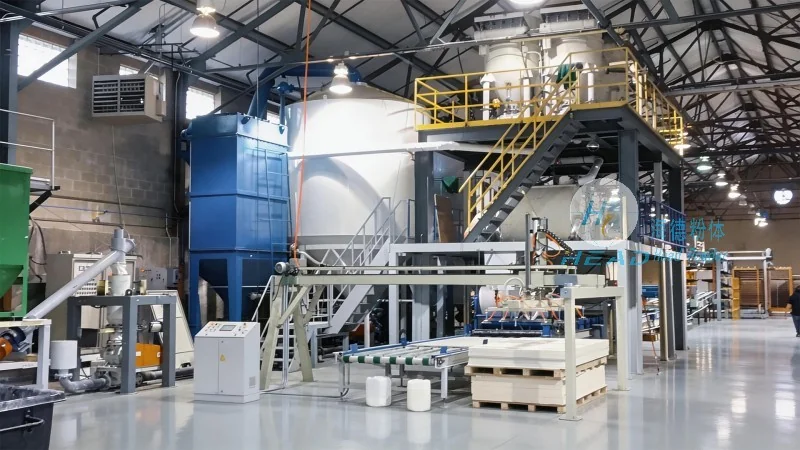
The layout of the pneumatic conveying system should be designed to minimize the length of the pipeline and the number of bends, as both increase pressure drop and energy consumption. The system should be integrated with existing facilities, ensuring that the feeding and discharge points are conveniently located. Proper placement of equipment, such as the air source and separation units, is important for efficient operation and maintenance access. The layout should also consider safety factors, such as the need for explosion-proof components in hazardous environments and the provision of emergency shut-off valves.
Step 6: Safety and Maintenance Considerations
Ensuring the safety of personnel and the integrity of the system is paramount. This includes implementing measures to prevent dust explosions, such as using explosion-proof equipment and installing spark arrestors. Regular maintenance is essential to keep the system operating efficiently. This includes cleaning filters, checking for leaks in the pipeline, and inspecting equipment for wear and tear. A well-designed maintenance plan can extend the life of the system and reduce downtime. Additionally, training operators on proper system operation and emergency procedures is critical for long-term safety and reliability.
Conclusion: Partnering with an Expert for System Design
Designing a powder pneumatic conveying system requires a deep understanding of material properties, process requirements, and equipment capabilities. While the steps outlined above provide a framework for system design, the complexity of many applications necessitates the expertise of a specialized engineering firm. Shandong HeadPowder Engineering Co., Ltd., a leading provider of powder handling solutions, offers comprehensive design services tailored to the unique needs of each client. With a focus on efficiency, reliability, and safety, HeadPowder helps businesses optimize their material handling processes and achieve their operational goals. By partnering with HeadPowder, companies can ensure that their powder pneumatic conveying system is designed to perform at its best, minimizing costs and maximizing productivity.

 Shandong Headpowder Engineering Co., Ltd.
 156-6277-7102(Quản lý Trương)
  0531-83386006
  Thành phố Tế Nam, Tỉnh Sơn Đông, Trung Quốc
Điện thoại
WeChatTư vấn
Lên đầu