Với hơn 10 năm kinh nghiệm về vận chuyển khí nén, Headpowder Sơn Đông cung cấp hệ thống, thiết bị và quạt gió toàn chuỗi, đảm nhận các dự án kỹ thuật bột trọn gói trên toàn quốc.
When designing a coking slag pneumatic conveying system, it is crucial to consider several key components that ensure efficiency, reliability, and cost-effectiveness. The system's design directly impacts its performance, longevity, and operational safety. A well-planned system minimizes downtime, reduces maintenance costs, and optimizes material handling processes. For businesses dealing with coking slag, selecting the right system is a critical decision that can significantly enhance operational productivity.
System Selection: Positive Pressure vs. Negative Pressure Conveying
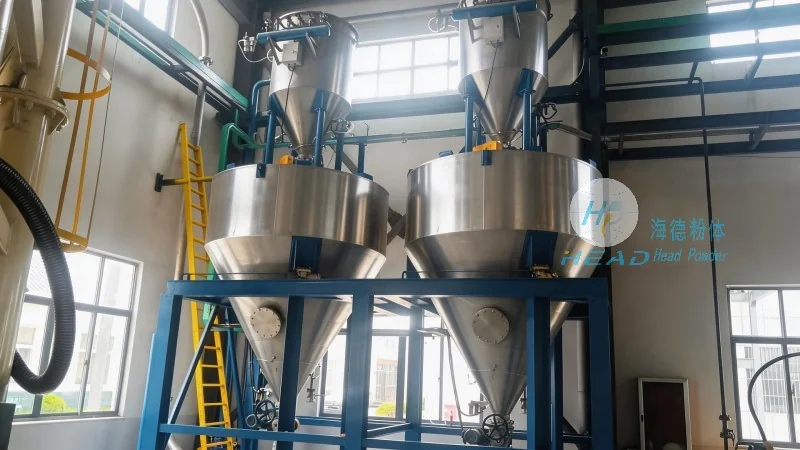
Choosing between positive pressure and negative pressure systems is the first major decision in designing a coking slag pneumatic conveying system. Positive pressure systems, where air is blown into the system to move material, are often preferred for long-distance or high-volume applications. They offer better control over material flow and are suitable for abrasive materials like coking slag. Negative pressure systems, on the other hand, use suction to draw material into the system, which is ideal for shorter distances or when the material needs to be collected from multiple points. The choice depends on factors such as the distance between the source and destination, the volume of material to be conveyed, and the specific characteristics of the coking slag. HeadPowder Engineering, with its expertise in material handling systems, assists clients in evaluating these options to select the most suitable system for their needs.
Pipeline Design and Layout Considerations
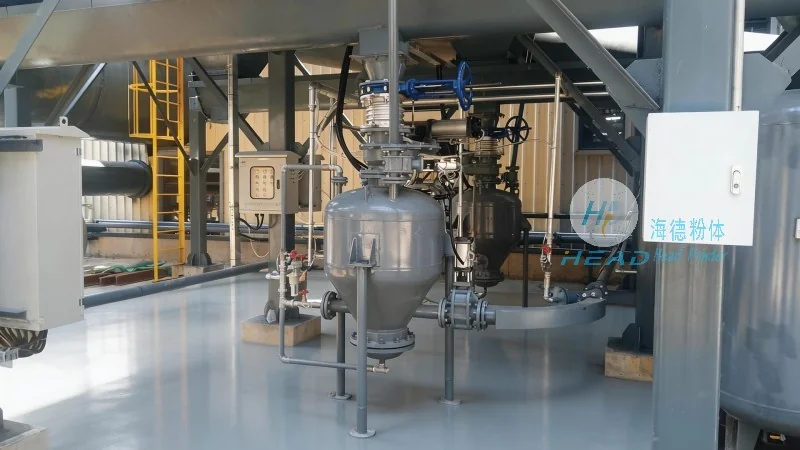
The design of the pipeline network is a critical aspect of the system. Proper layout ensures smooth material flow and minimizes pressure losses. The pipeline diameter is determined based on the material's bulk density, flow rate, and the system's pressure. For coking slag, which can be abrasive, using high-quality materials like stainless steel or coated pipes is essential to prevent wear and tear. The pipeline should be sloped appropriately to facilitate material movement, with the slope direction matching the flow direction. Additionally, including expansion joints and flexible connectors can help accommodate thermal expansion and reduce stress on the system components. HeadPowder's engineers use advanced computational fluid dynamics (CFD) tools to model the pipeline layout, ensuring optimal performance and minimal energy consumption.
Air Source Equipment: Compressors and Filtration Systems
The air source equipment, typically a high-pressure compressor, is the heart of the pneumatic conveying system. The compressor's capacity and pressure rating must match the system's requirements. For positive pressure systems, a robust, oil-free compressor is preferred to avoid contaminating the coking slag. Filtration systems are also crucial to maintain air quality and protect downstream components from dust and debris. HeadPowder recommends using high-efficiency particulate air (HEPA) filters to ensure the air is clean and free from particles that could damage the system or affect the quality of the conveyed material. Regular maintenance of the compressor and filtration system is essential to ensure consistent performance and extend the equipment's lifespan.
Separation and Collection Equipment
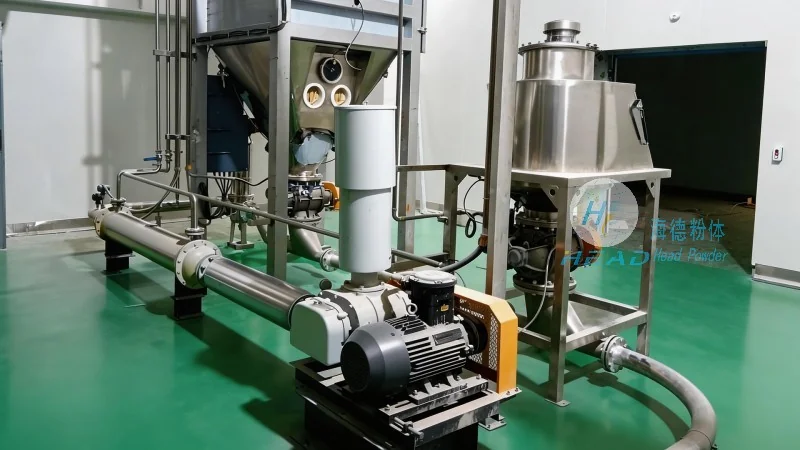
At the end of the conveying line, separation and collection equipment are necessary to discharge the material and clean the air. Cyclone separators are commonly used to separate the material from the air stream. The design of the cyclone, including its diameter, cone angle, and inlet velocity, affects its efficiency. For coking slag, which may have varying particle sizes, a multi-stage cyclone system or a combination of cyclones and bag filters may be used to achieve high separation efficiency. The collected material is then discharged into a storage hopper or silo. HeadPowder provides customized separation solutions tailored to the specific characteristics of the coking slag, ensuring that the material is handled safely and efficiently.
Control Systems and Automation
Modern pneumatic conveying systems often incorporate advanced control systems to monitor and regulate the process. These systems can include sensors to measure pressure, flow rate, and material level, as well as control valves to adjust the air flow and material discharge. Automation can help optimize the system's operation, reduce human error, and improve overall efficiency. HeadPowder's engineers design control systems that are user-friendly and scalable, allowing clients to integrate additional features as their needs evolve. The control system can also include safety features, such as pressure relief valves and emergency shut-off mechanisms, to protect the system and personnel from potential hazards.
HeadPowder Engineering: Your Partner in Coking Slag Handling Solutions
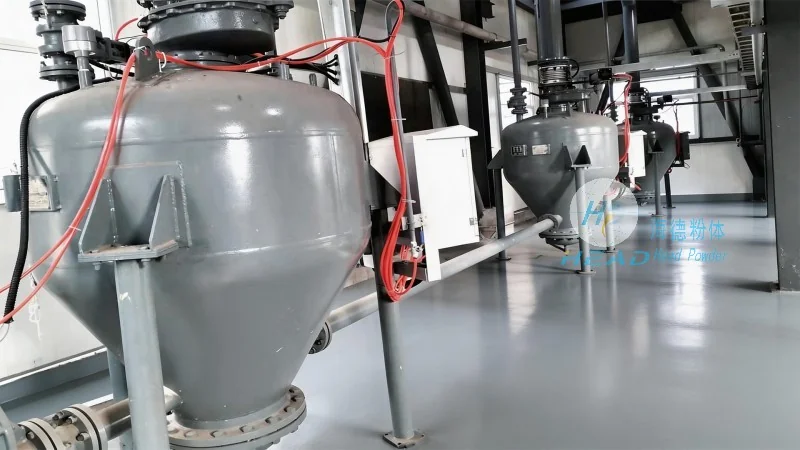
Shandong HeadPowder Engineering Co., Ltd., a leading provider of material handling solutions, specializes in designing and implementing coking slag pneumatic conveying systems. With years of experience in the industry, HeadPowder has developed a deep understanding of the unique challenges associated with handling coking slag. The company's team of engineers and technicians work closely with clients to understand their specific requirements and provide tailored solutions. HeadPowder's commitment to quality and customer satisfaction has made it a trusted partner for businesses in the coking and power generation industries. Based in Shandong, China, HeadPowder leverages its local expertise and resources to deliver efficient, reliable, and cost-effective solutions to its clients worldwide.

 Shandong Headpowder Engineering Co., Ltd.
 156-6277-7102(Quản lý Trương)
  0531-83386006
  Thành phố Tế Nam, Tỉnh Sơn Đông, Trung Quốc
Điện thoại
WeChatTư vấn
Lên đầu