Với hơn 10 năm kinh nghiệm về vận chuyển khí nén, Headpowder Sơn Đông cung cấp hệ thống, thiết bị và quạt gió toàn chuỗi, đảm nhận các dự án kỹ thuật bột trọn gói trên toàn quốc.
When it comes to transporting polyvinyl alcohol formaldehyde (PVA-F), selecting the right conveying method is crucial for ensuring efficiency, safety, and product integrity. PVA-F is a versatile polymer used in various industries, including construction, textiles, and adhesives, and its handling requires specialized equipment and techniques. The choice of conveying method depends on factors such as material properties, production scale, and operational environment. In this article, we will explore common PVA-F conveying methods, with a focus on pneumatic conveying, a widely adopted approach for handling this polymer efficiently.
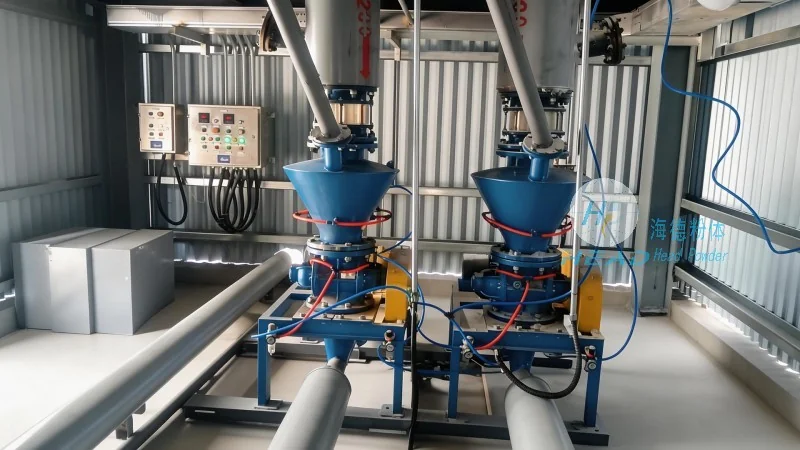
PVA-F Conveying Methods Overview
Polyvinyl alcohol formaldehyde is typically transported using several methods, each with its own advantages and limitations. The primary methods include bulk handling via conveyor belts, screw conveyors, and pneumatic systems. Among these, pneumatic conveying stands out as a preferred choice for many applications due to its ability to handle fine powders and granules with minimal product degradation. This method uses air or gas to move the material through a pipeline, reducing the need for mechanical components that could cause wear or contamination.
Pneumatic Conveying of PVA-F: Principles and Benefits
Pneumatic conveying, also known as air conveying, is a technology that uses compressed air to transport solid materials like PVA-F. The process involves creating a pressure differential between the inlet and outlet of the conveying line, which propels the material forward. There are two main types of pneumatic conveying systems: pressure and vacuum. Pressure systems use positive pressure to push the material, while vacuum systems use negative pressure to pull it. For PVA-F, pressure systems are often preferred as they provide better control over the material flow and can handle larger quantities.
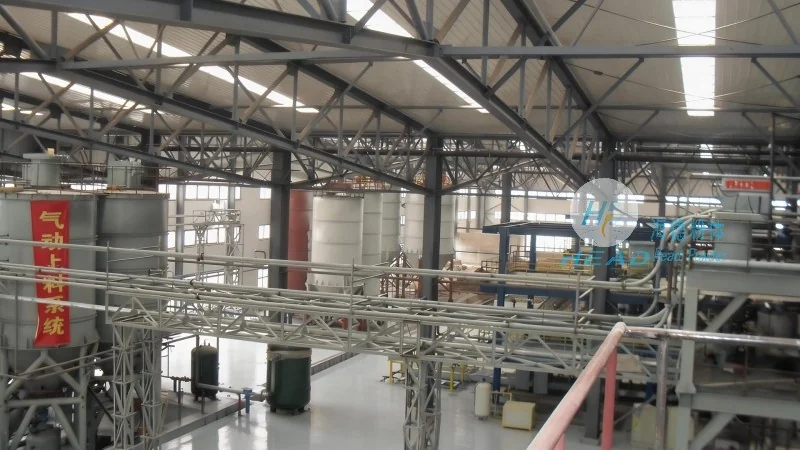
The benefits of pneumatic conveying for PVA-F include reduced labor costs, increased safety (as there are no moving parts at the material discharge point), and improved product quality. Unlike mechanical conveyors, which can cause friction and abrasion, pneumatic systems minimize particle damage, preserving the polymer's properties. Additionally, pneumatic conveying can be integrated with other processing equipment, such as mixers and reactors, to create a seamless production line.
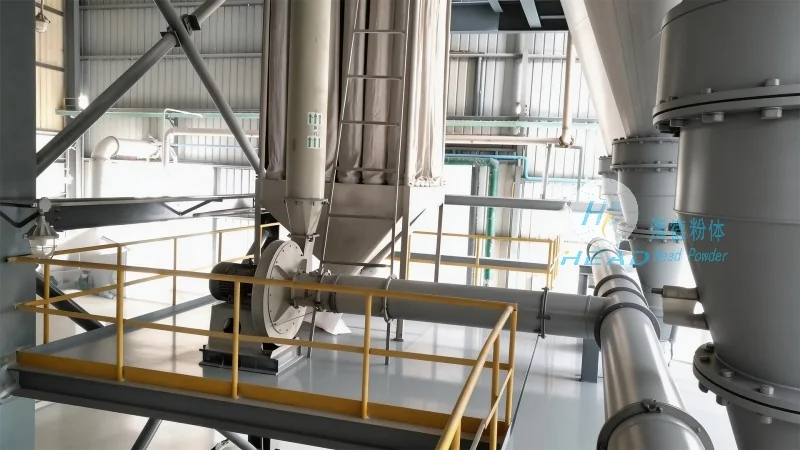
Key Components of PVA-F Pneumatic Conveying Systems
A typical PVA-F pneumatic conveying system consists of several key components that work together to ensure efficient operation. These components include a material feed hopper, a rotary airlock valve, a conveying line, a dust collector, and a receiver. The feed hopper stores the PVA-F and feeds it into the system at a controlled rate. The rotary airlock valve prevents backflow and ensures a consistent flow of material into the conveying line. The conveying line, usually made of stainless steel or other corrosion-resistant materials, transports the material using compressed air. The dust collector removes any airborne particles, improving air quality and preventing product loss. The receiver collects the material at the end of the line and can be connected to the next processing step.
Application Examples in PVA-F Production
Pneumatic conveying is widely used in PVA-F production facilities for various processes. For example, in the manufacturing of PVA-F solutions, the polymer is often conveyed from storage silos to mixing tanks. The pneumatic system ensures that the material is delivered without clogging or degradation, which is critical for maintaining the solution's viscosity and quality. In adhesive production, where PVA-F is used as a binder, the polymer is conveyed from storage to the mixing and packaging areas. This method allows for precise control over the material flow, ensuring consistent adhesive properties. Additionally, in textile applications, PVA-F is used as a sizing agent, and pneumatic conveying is used to transport it from storage to the sizing machines.
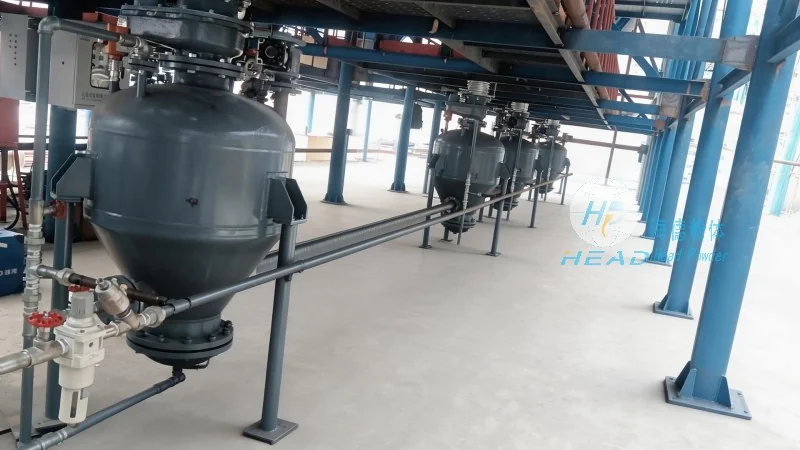
Considerations for PVA-F Pneumatic Conveying
While pneumatic conveying offers many advantages, there are several factors to consider when implementing this system for PVA-F. One of the main considerations is the material's moisture content. PVA-F is hygroscopic, meaning it absorbs moisture from the air, which can affect its properties. Therefore, the conveying system must be designed to minimize exposure to moisture and maintain a dry environment. Another consideration is the particle size distribution of the PVA-F. Fine powders are more prone to clogging in the conveying line, so the system must be equipped with appropriate filters and cleaning mechanisms. Additionally, the system must be compatible with the polymer's chemical properties, as PVA-F can be sensitive to certain materials or conditions.
Conclusion
Pneumatic conveying is a highly effective method for transporting polyvinyl alcohol formaldehyde, offering numerous benefits over traditional mechanical systems. By understanding the principles and components of pneumatic conveying, manufacturers can optimize their operations and ensure the quality of their PVA-F products. As a leading provider of engineering solutions, Shandong HeadPowder Engineering Co., Ltd. specializes in designing and manufacturing custom conveying systems tailored to the specific needs of PVA-F production. With their expertise in material handling and process integration, they help clients improve efficiency, reduce costs, and enhance product quality. Based in Shandong, China, HeadPowder Engineering Co., Ltd. serves a wide range of industries, providing reliable and efficient solutions for PVA-F conveying and processing.

 Shandong Headpowder Engineering Co., Ltd.
 156-6277-7102(Quản lý Trương)
  0531-83386006
  Thành phố Tế Nam, Tỉnh Sơn Đông, Trung Quốc
Điện thoại
WeChatTư vấn
Lên đầu