Với hơn 10 năm kinh nghiệm về vận chuyển khí nén, Headpowder Sơn Đông cung cấp hệ thống, thiết bị và quạt gió toàn chuỗi, đảm nhận các dự án kỹ thuật bột trọn gói trên toàn quốc.
Desulfurization processes in modern industrial applications often rely on the efficient handling and transportation of sodium bicarbonate, a critical reagent used to neutralize acidic gases like sulfur dioxide. For facilities operating in regions with stringent environmental regulations, selecting the right transportation method is essential to ensure operational efficiency, safety, and compliance. This article explores common methods for transporting desulfurization sodium bicarbonate, with a focus on the advantages and practical applications of pneumatic conveying systems.
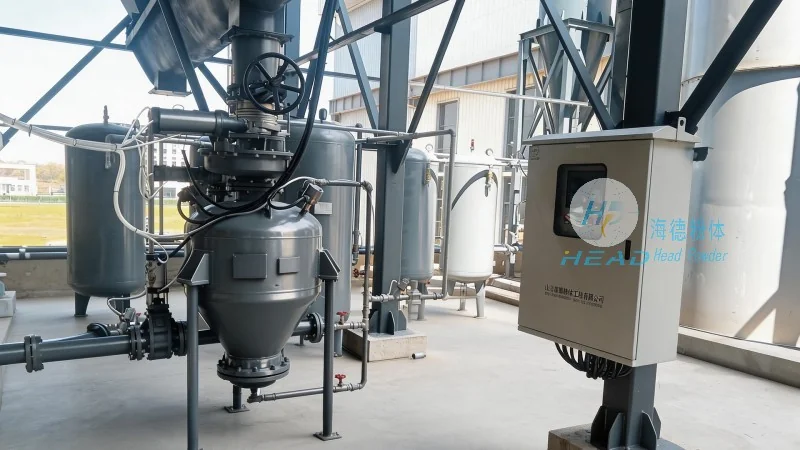
Introduction to Desulfurization Sodium Bicarbonate and Its Transportation Needs
Desulfurization, or flue gas desulfurization (FGD), is a crucial process in power plants and industrial facilities to reduce sulfur dioxide emissions. Sodium bicarbonate (NaHCO₃) is widely used as a sorbent in wet FGD systems due to its ability to absorb acidic gases and form stable compounds. The transportation of this reagent from storage to the desulfurization unit requires careful consideration of factors such as material properties, environmental conditions, and process requirements. Traditional methods like belt conveyors or bucket elevators may not be suitable for fine powders or when long-distance transport is needed, leading to the adoption of advanced pneumatic conveying technologies.
Pneumatic Conveying: A Preferred Method for Desulfurization Sodium Bicarbonate
Pneumatic conveying systems utilize air or other gases to transport bulk materials through a pipeline network. This technology is particularly well-suited for sodium bicarbonate due to its fine particle size and hygroscopic nature. Unlike mechanical systems, pneumatic conveyors can handle high volumes of material with minimal maintenance and are less prone to material degradation or contamination. The two primary types of pneumatic conveying are pressure and vacuum systems, each offering distinct advantages depending on the application.
Key Advantages of Pneumatic Conveying for Desulfurization Sodium Bicarbonate
One of the most significant benefits of pneumatic conveying is its ability to transport sodium bicarbonate over long distances with minimal loss of material. The system’s enclosed pipeline design prevents dust emissions, which is critical for maintaining air quality and meeting environmental standards. Additionally, pneumatic conveyors can operate at varying speeds, allowing for precise control over material flow rates, which is essential for maintaining consistent desulfurization performance. Another advantage is the reduced risk of material degradation compared to mechanical systems, as the material is not subjected to repeated impacts or friction.
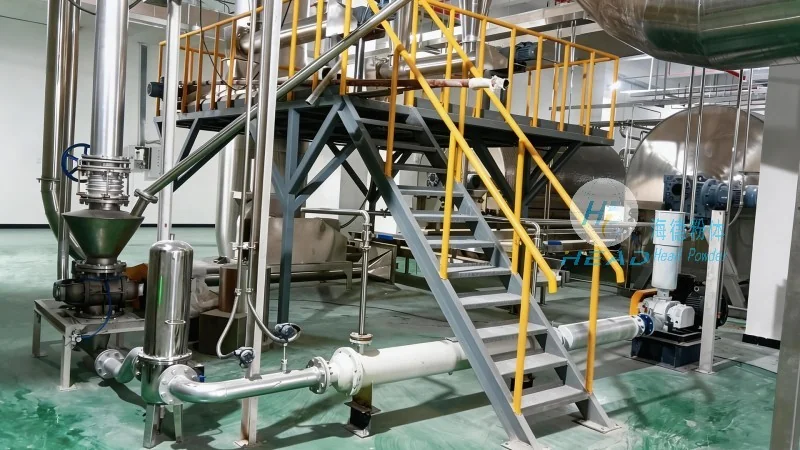
Components and Operation of Pneumatic Conveying Systems
A typical pneumatic conveying system for desulfurization sodium bicarbonate consists of several key components, including a material feeder, a conveying line, a separator, and a dust collector. The material feeder, often a rotary valve or a screw feeder, ensures a consistent flow of sodium bicarbonate into the system. The conveying line, made of stainless steel or other corrosion-resistant materials, transports the material through the system. The separator, such as a cyclone or a bag filter, separates the material from the air stream, allowing the material to be discharged into the desulfurization unit while the air is filtered and recirculated. The dust collector ensures that any fine particles are captured, preventing air pollution and maintaining system efficiency.
Applications and Case Studies in Industrial Desulfurization
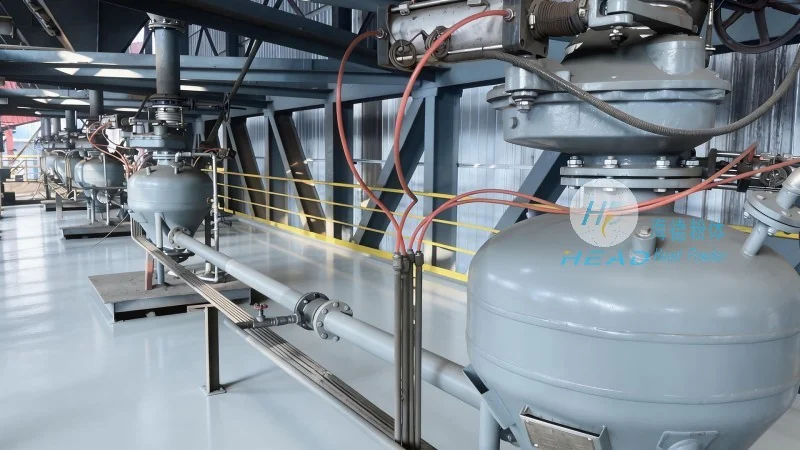
Shandong HeadPowder Engineering Co., Ltd., a leading provider of bulk material handling solutions, has successfully implemented pneumatic conveying systems for desulfurization sodium bicarbonate in numerous industrial applications. For example, a power plant in China used a high-pressure pneumatic conveying system to transport sodium bicarbonate from a storage silo to the FGD unit over a distance of 200 meters. The system was designed to handle 10 tons of material per hour, with a material velocity of 20 meters per second, ensuring efficient and reliable operation. The plant reported a 15% reduction in material handling time and a 10% decrease in maintenance costs compared to traditional mechanical systems. Another case study involved a chemical plant that implemented a vacuum pneumatic conveying system to transport sodium bicarbonate from a storage area to a mixing tank. The system was able to handle fine powders with a particle size of 100 microns, which is critical for maintaining the reagent’s effectiveness in the desulfurization process.
Considerations for Selecting the Right Pneumatic Conveying System
When selecting a pneumatic conveying system for desulfurization sodium bicarbonate, several factors must be considered to ensure optimal performance. The first is the material’s properties, including particle size, density, and moisture content. Fine powders with high moisture content may require a different system design, such as a heated conveying line to prevent caking. The second is the distance and elevation change required for transport. Long-distance or high-elevation applications may require higher air pressure or a combination of pressure and vacuum systems. The third is the system’s capacity and flow rate requirements. The system must be able to handle the required material volume without causing excessive pressure drops or material degradation. Finally, the system’s integration with existing infrastructure and the need for compliance with environmental regulations must be considered.
Conclusion: The Role of Pneumatic Conveying in Efficient Desulfurization
Pneumatic conveying systems offer a reliable and efficient solution for transporting desulfurization sodium bicarbonate in modern industrial applications. By leveraging the principles of air movement and material handling, these systems provide a cost-effective and environmentally friendly alternative to traditional mechanical methods. The success of these systems, as demonstrated by case studies from Shandong HeadPowder Engineering Co., Ltd., highlights their importance in maintaining the performance and compliance of desulfurization processes. As industrial facilities continue to adopt more stringent environmental standards, the demand for advanced material handling technologies like pneumatic conveying will only increase, making it a critical component of sustainable industrial operations.

 Shandong Headpowder Engineering Co., Ltd.
 156-6277-7102(Quản lý Trương)
  0531-83386006
  Thành phố Tế Nam, Tỉnh Sơn Đông, Trung Quốc
Điện thoại
WeChatTư vấn
Lên đầu