Với hơn 10 năm kinh nghiệm về vận chuyển khí nén, Headpowder Sơn Đông cung cấp hệ thống, thiết bị và quạt gió toàn chuỗi, đảm nhận các dự án kỹ thuật bột trọn gói trên toàn quốc.
Methylcellulose, a versatile hydrophilic polymer widely used in various industries such as construction, pharmaceuticals, and food processing, requires efficient and reliable conveying methods to ensure consistent performance and product quality. The choice of conveying method depends on several factors including the material's properties, the application requirements, and the operational environment. In this article, we explore common methylcellulose conveying methods, with a particular focus on pneumatic conveying systems.
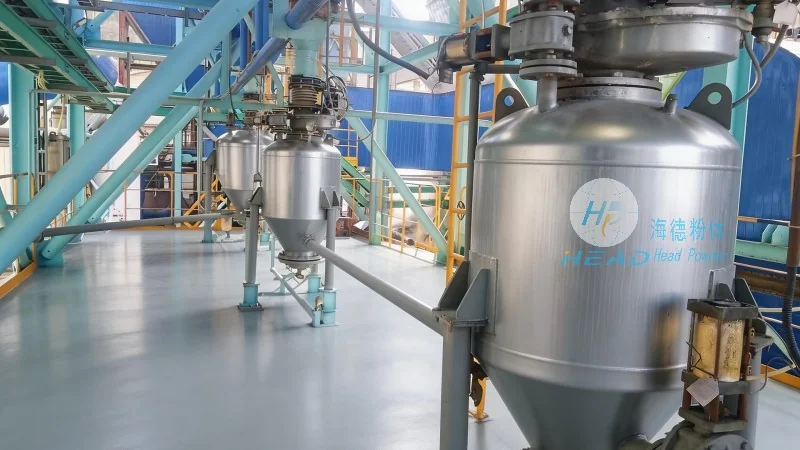
The Role of Pneumatic Conveying in Methylcellulose Handling
Pneumatic conveying, also known as air conveying, is a widely adopted technique for transporting fine powders like methylcellulose. This method utilizes compressed air to move the material through a pipeline system. The process involves generating a pressure differential that propels the powder forward, often with the assistance of a venturi or other air-moving devices. Pneumatic conveying offers several advantages for methylcellulose handling, including the ability to transport materials over long distances, the reduction of dust exposure, and the integration with other processing equipment. The efficiency of pneumatic conveying is particularly beneficial for applications where dust control and product purity are critical.
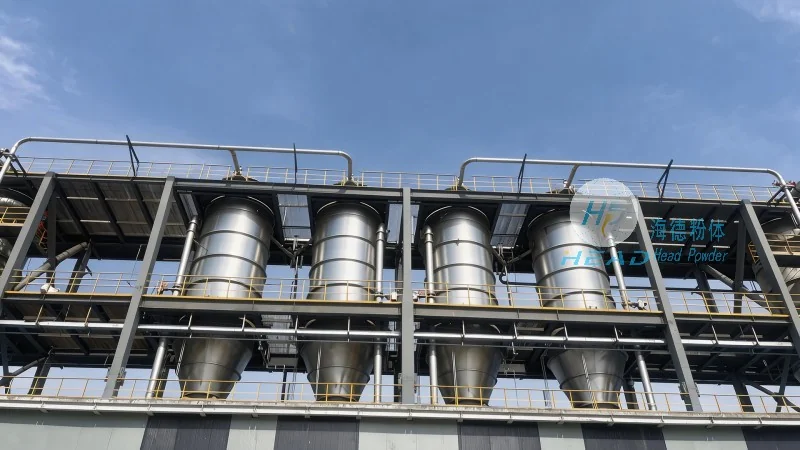
Key Components of Methylcellulose Pneumatic Conveying Systems
Effective methylcellulose pneumatic conveying systems typically consist of several key components. These include a material feeder, which ensures a consistent flow of the powder into the conveying line; a compressor or air mover that provides the necessary pressure and airflow; a pipeline network that transports the material; and a receiver or discharge unit where the material is collected. The material feeder is often designed to handle the specific characteristics of methylcellulose, such as its fine particle size and potential for caking, to prevent blockages and ensure smooth operation. The compressor, usually a positive displacement type, generates the required air pressure, while the pipeline is constructed from materials resistant to the chemical properties of methylcellulose to avoid degradation or contamination. The receiver, equipped with a dust collection system, helps maintain a clean and safe working environment by capturing any airborne particles.
Advantages and Considerations for Methylcellulose Pneumatic Conveying
When considering pneumatic conveying for methylcellulose, several advantages and considerations come into play. One of the primary benefits is the ability to handle fine powders without the need for mechanical contact, which minimizes product degradation and maintains its physical properties. Additionally, pneumatic systems can be designed to operate in closed loops, reducing dust emissions and improving workplace safety. However, the efficiency of pneumatic conveying depends on the material's flowability and the system's design. Methylcellulose, being a hygroscopic material, may absorb moisture from the air, affecting its flow characteristics and potentially leading to caking or blockages. Proper moisture control and system maintenance are essential to mitigate these issues. Furthermore, the energy consumption of pneumatic systems can be higher compared to mechanical conveying methods, which may impact operational costs. Despite these considerations, the benefits of dust control, flexibility, and integration with other processes often outweigh the drawbacks for many applications.
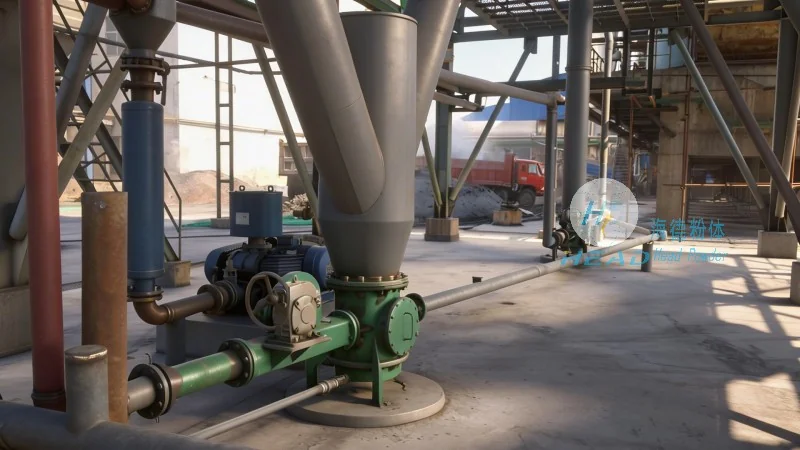
Application Examples of Methylcellulose Pneumatic Conveying
Methylcellulose pneumatic conveying is widely used in various industrial applications. In the construction industry, it is commonly used to transport methylcellulose-based additives for concrete and mortar, ensuring uniform distribution of the material in large-scale projects. In pharmaceutical manufacturing, the method is employed to convey methylcellulose powders used in drug formulations, maintaining the purity and consistency of the final product. The food industry also utilizes pneumatic conveying for methylcellulose used as a thickening or stabilizing agent in food products, ensuring that the material is delivered to processing lines without contamination. Each of these applications benefits from the ability of pneumatic systems to handle fine powders efficiently and maintain product quality throughout the conveying process.
Conclusion and Company Overview
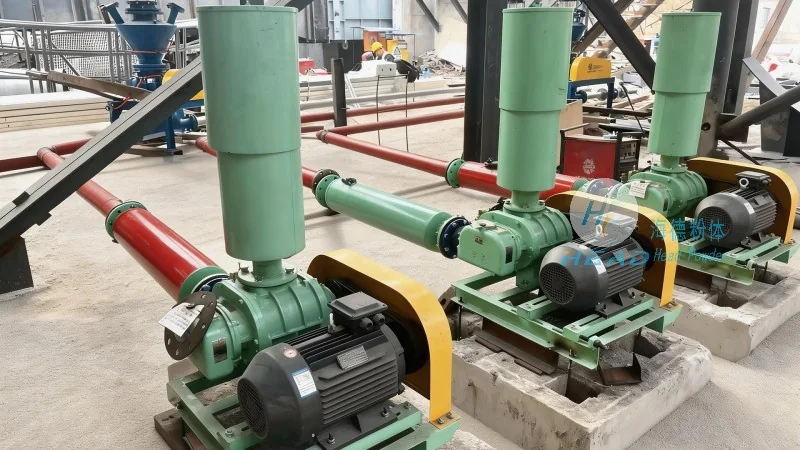
In conclusion, pneumatic conveying is a highly effective method for transporting methylcellulose, offering advantages in terms of dust control, material handling efficiency, and integration with other processing equipment. The key to successful implementation lies in understanding the material's properties and designing a system that addresses potential challenges such as moisture absorption and caking. Shandong HeadPowder Engineering Co., Ltd., a leading provider of specialized engineering solutions, offers expertise in designing and implementing methylcellulose conveying systems tailored to specific industry needs. With a focus on quality and reliability, HeadPowder ensures that their systems meet the highest standards for material handling, providing customers with efficient and safe solutions for their methylcellulose processing requirements. Based in Shandong, China, HeadPowder leverages its local expertise and industry knowledge to deliver innovative solutions that enhance operational performance and product quality in methylcellulose handling applications.

 Shandong Headpowder Engineering Co., Ltd.
 156-6277-7102(Quản lý Trương)
  0531-83386006
  Thành phố Tế Nam, Tỉnh Sơn Đông, Trung Quốc
Điện thoại
WeChatTư vấn
Lên đầu