Với hơn 10 năm kinh nghiệm về vận chuyển khí nén, Headpowder Sơn Đông cung cấp hệ thống, thiết bị và quạt gió toàn chuỗi, đảm nhận các dự án kỹ thuật bột trọn gói trên toàn quốc.
Cellulose, a fundamental component of plant cell walls, is widely used in various industries such as papermaking, textiles, and food processing. The efficient and reliable transportation of cellulose materials is crucial for industrial operations, as it directly impacts production efficiency, cost management, and product quality. Among the various conveying methods available, pneumatic conveying stands out as a versatile and effective solution for handling cellulose-based materials. This article provides an overview of common cellulose conveying methods, with a focus on pneumatic conveying technology.
Understanding Cellulose Conveying: The Core Needs of Industrial Applications
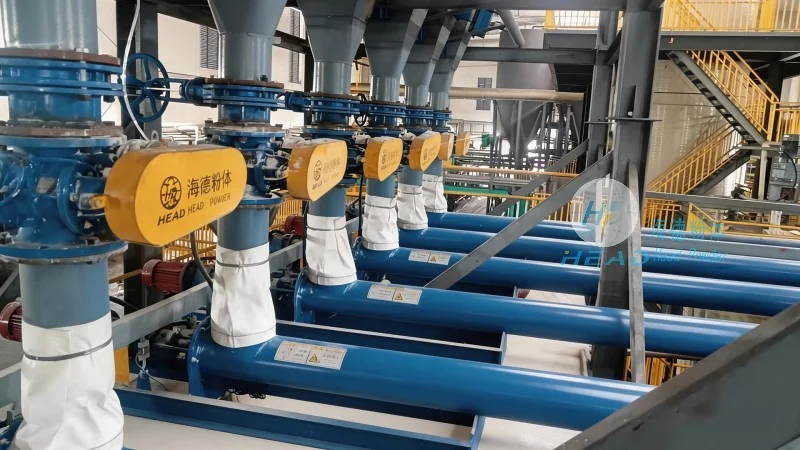
In industrial settings, the transportation of cellulose materials requires solutions that can handle different particle sizes, moisture content, and flow rates. Traditional methods like belt conveyors or screw conveyors may struggle with the abrasive and fibrous nature of cellulose, leading to equipment wear, blockages, and reduced efficiency. Pneumatic conveying, on the other hand, offers a non-contact, flexible, and low-maintenance approach to moving cellulose materials. This method uses air or gas to transport particles through a pipeline system, eliminating the need for mechanical components that can be damaged by fibrous materials.
Common Cellulose Conveying Methods: A Comparative Overview
Several methods are commonly employed for cellulose conveying, each with its own advantages and limitations. The choice of method depends on factors such as material characteristics, distance, and operational requirements. The primary methods include:
Belt Conveyors: These are widely used for bulk material handling but may not be suitable for fibrous cellulose due to the risk of material buildup and belt wear.
Screw Conveyors: Screw conveyors are effective for moving granular materials but can experience blockages and increased wear when handling cellulose fibers.
Pneumatic Conveying: As the most advanced method, pneumatic conveying uses air pressure to transport cellulose particles through pipelines. This method is ideal for handling fine powders and fibrous materials, offering high efficiency and minimal equipment wear.
Cellulose Pneumatic Conveying: Technology and Advantages
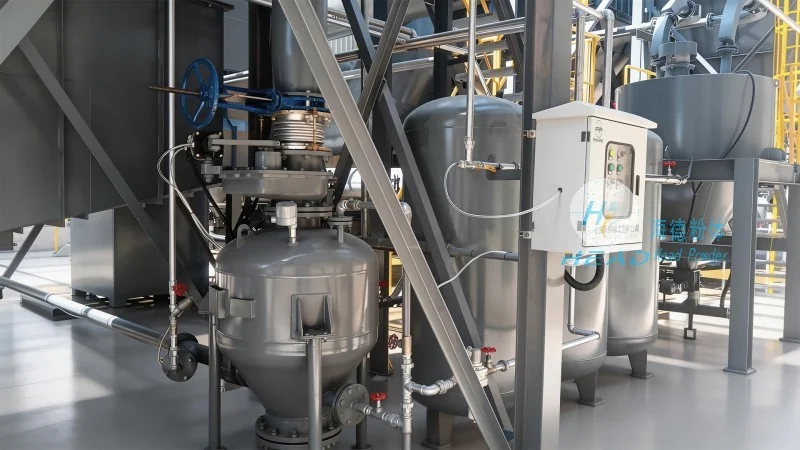
Pneumatic conveying systems for cellulose typically consist of a blower, a hopper for material storage, a pipeline system, and a receiver for the delivered material. The system operates by creating a pressure differential that moves the cellulose particles through the pipeline. There are two main types of pneumatic conveying: pressure and vacuum systems. Pressure systems use compressed air to push the material forward, while vacuum systems use a vacuum to pull the material into the pipeline.
For cellulose, pressure systems are often preferred due to their ability to handle higher material loads and longer distances. The key advantages of pneumatic conveying for cellulose include:
Non-Contact Handling: The material is transported without direct contact with mechanical components, reducing wear and extending equipment life.
Flexibility: The system can be easily reconfigured to handle different material types or to change the conveying route.
Low Maintenance: With fewer moving parts compared to traditional conveyors, pneumatic systems require less maintenance and have lower operational costs.
High Efficiency: Pneumatic conveying can achieve high material throughput rates, making it suitable for high-volume production lines.
Applications of Cellulose Pneumatic Conveying
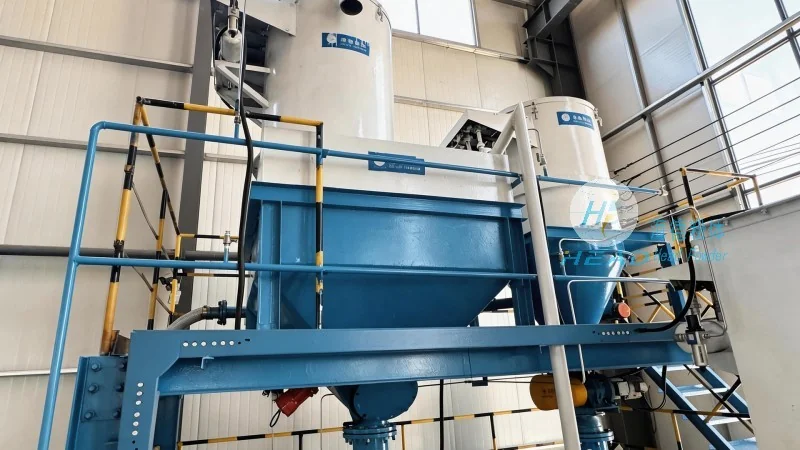
Cellulose pneumatic conveying is widely used in various industries, including:
Paper and Pulp Industry: For transporting raw materials like wood chips or recycled paper fibers.
Textile Industry: For conveying cellulose-based fibers used in fabric production.
Food and Beverage Industry: For handling cellulose-based ingredients or additives.
Pharmaceutical Industry: For transporting cellulose-based excipients or raw materials.
Choosing the Right Cellulose Conveying System: Factors to Consider
When selecting a cellulose conveying system, several factors must be considered to ensure optimal performance and cost-effectiveness. These factors include:
Material Characteristics: The size, shape, moisture content, and abrasiveness of the cellulose material.
Conveying Distance and Height: The distance and vertical height the material needs to be transported.
Throughput Requirements: The required material flow rate for the production line.
Space Constraints: The available space for installing the conveying system.
Environmental Considerations: The need to minimize dust emissions and comply with environmental regulations.
Conclusion: The Role of Advanced Conveying Solutions in Cellulose Handling
Efficient cellulose conveying is essential for maintaining productivity and quality in industrial applications. While traditional methods have their limitations, pneumatic conveying offers a superior solution with its non-contact handling, flexibility, and low maintenance requirements. For businesses seeking reliable and efficient cellulose conveying systems, Shandong HeadPowder Engineering Co., Ltd. provides advanced pneumatic conveying solutions tailored to meet the specific needs of various industries. With years of experience and a commitment to quality, HeadPowder is dedicated to delivering innovative and effective conveying solutions that enhance operational efficiency and reduce costs. As a leading provider of industrial conveying solutions, HeadPowder leverages its expertise to design and manufacture customized pneumatic systems that address the unique challenges of cellulose handling in different sectors. The company's strong presence in China, particularly in Shandong, enables it to offer localized support and rapid response to client needs, ensuring that businesses can achieve optimal performance and reliability in their cellulose conveying operations. By choosing HeadPowder, industries can benefit from cutting-edge technology and professional service, ultimately improving their overall operational performance and competitiveness in the market.

 Shandong Headpowder Engineering Co., Ltd.
 156-6277-7102(Quản lý Trương)
  0531-83386006
  Thành phố Tế Nam, Tỉnh Sơn Đông, Trung Quốc
Điện thoại
WeChatTư vấn
Lên đầu