Với hơn 10 năm kinh nghiệm về vận chuyển khí nén, Headpowder Sơn Đông cung cấp hệ thống, thiết bị và quạt gió toàn chuỗi, đảm nhận các dự án kỹ thuật bột trọn gói trên toàn quốc.
When it comes to handling and transporting corn cob material, selecting the right conveying method is crucial for efficiency and operational success. Corn cob, a byproduct of corn processing, is often used in animal feed, biofuel production, and other industrial applications. The choice of conveying system can significantly impact the overall productivity and cost-effectiveness of processing operations. In this article, we explore common corn cob conveying methods, with a particular focus on the advantages and applications of pneumatic conveying systems.
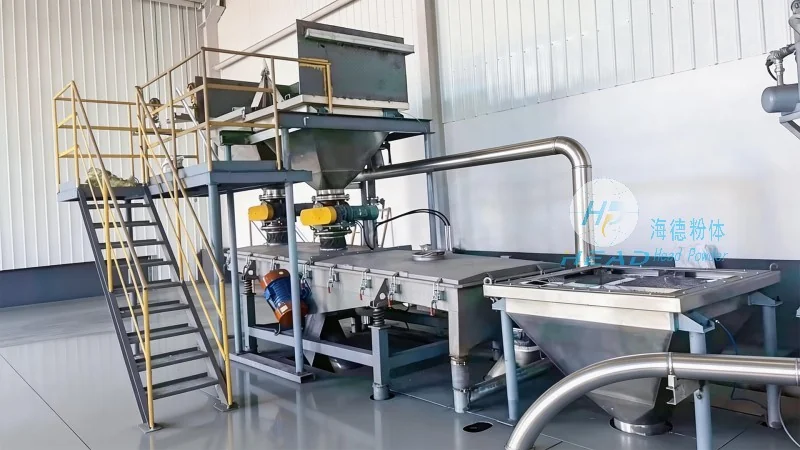
Understanding Corn Cob and Its Handling Requirements
Corn cob is a fibrous, irregularly shaped material that presents unique challenges in material handling. Its density, moisture content, and abrasive nature require specialized equipment to ensure safe and efficient transport. Traditional methods like belt conveyors or screw conveyors may struggle with the material's properties, leading to blockages, wear, and reduced throughput. This is where advanced conveying technologies, such as pneumatic systems, become essential for maintaining consistent performance and minimizing downtime.
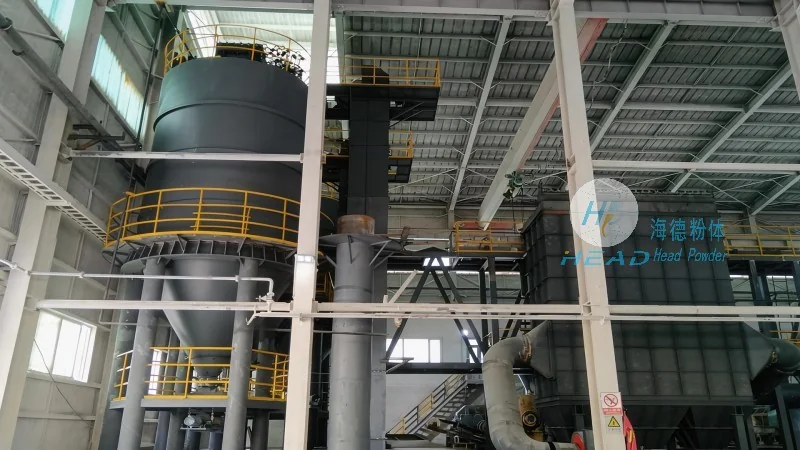
Common Conveying Methods for Corn Cob
Several methods are employed in the industry to transport corn cob, each with its own set of advantages and limitations. The primary options include mechanical conveyors, such as belt and screw conveyors, and pneumatic systems. Mechanical conveyors are often used for short-distance transport and bulk material handling but may face challenges with the abrasive nature of corn cob, leading to increased maintenance costs and lower efficiency over time. In contrast, pneumatic conveying offers a more flexible and efficient solution for longer distances and complex material handling scenarios.
Pneumatic Conveying: The Preferred Solution for Corn Cob Transport
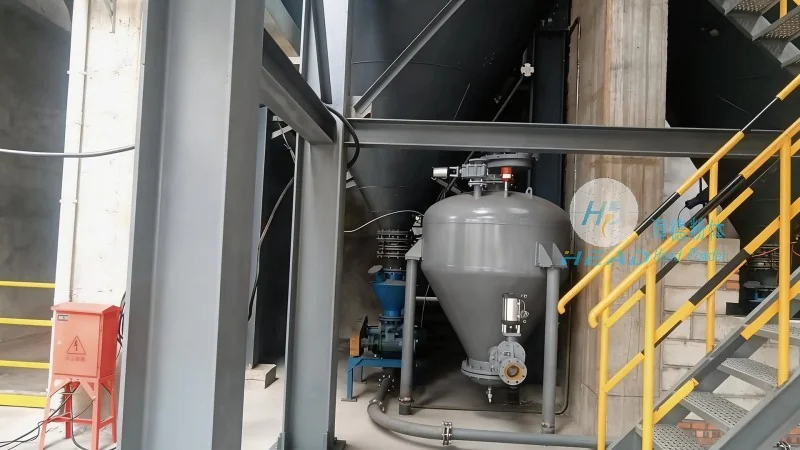
Pneumatic conveying, also known as air conveying, is a method that uses compressed air to move material through a pipeline. This technology is particularly well-suited for corn cob due to its ability to handle fine or irregular particles, minimize material degradation, and reduce the risk of contamination. There are two main types of pneumatic conveying systems: dilute phase and dense phase. Dilute phase systems use low air velocities to transport material in a suspended state, making them ideal for short to medium distances. Dense phase systems, on the other hand, use higher air pressures and lower velocities to move material in a slurry-like state, which is suitable for longer distances and more demanding applications.
Key Advantages of Pneumatic Conveying for Corn Cob
Implementing a pneumatic conveying system for corn cob offers several key benefits. First, it provides a clean and hygienic transport method, which is critical for applications where material purity is essential, such as in animal feed production. Second, pneumatic systems can handle a wide range of particle sizes and moisture contents without causing blockages or wear on equipment. Third, these systems are highly flexible, allowing for easy integration into existing processing lines and adaptation to changing production needs. Additionally, pneumatic conveying reduces labor costs by minimizing manual handling and improves overall operational efficiency.
HeadPowder Engineering: Expertise in Corn Cob Pneumatic Conveying
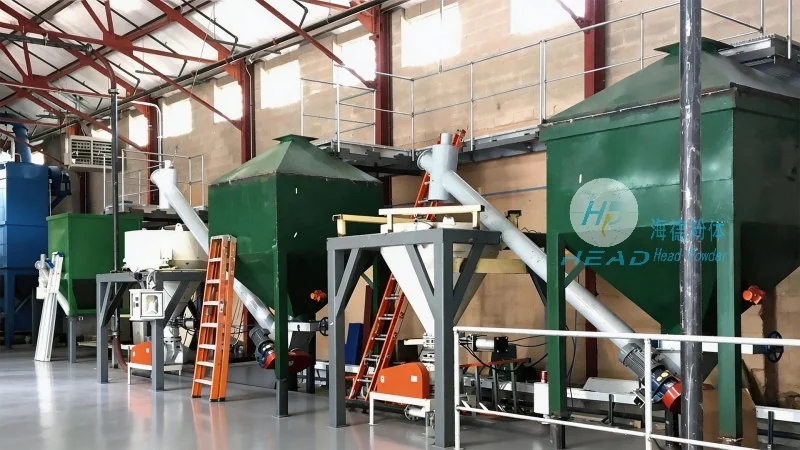
Shandong HeadPowder Engineering Co., Ltd., a leading manufacturer of material handling equipment, specializes in designing and supplying advanced pneumatic conveying systems tailored to the needs of corn cob processing. With years of experience in the industry, HeadPowder has developed a range of solutions that address the unique challenges of corn cob transport. The company's expertise lies in customizing systems to meet specific operational requirements, ensuring optimal performance and reliability. HeadPowder's products are engineered to withstand the abrasive nature of corn cob, providing long-term durability and minimal maintenance.
Conclusion: Choosing the Right Conveying Method for Corn Cob
When selecting a conveying method for corn cob, it is essential to consider the specific requirements of the application, including distance, material properties, and production volume. While mechanical conveyors may be suitable for short distances, pneumatic conveying offers superior performance and flexibility for most corn cob handling scenarios. By investing in a high-quality pneumatic conveying system from a reputable manufacturer like HeadPowder, businesses can enhance their operational efficiency, reduce costs, and ensure consistent quality in their corn cob processing operations.

 Shandong Headpowder Engineering Co., Ltd.
 156-6277-7102(Quản lý Trương)
  0531-83386006
  Thành phố Tế Nam, Tỉnh Sơn Đông, Trung Quốc
Điện thoại
WeChatTư vấn
Lên đầu