Với hơn 10 năm kinh nghiệm về vận chuyển khí nén, Headpowder Sơn Đông cung cấp hệ thống, thiết bị và quạt gió toàn chuỗi, đảm nhận các dự án kỹ thuật bột trọn gói trên toàn quốc.
Ammonium chloride (NH4Cl) is a widely used chemical compound in various industrial applications, including agriculture, pharmaceuticals, and chemical manufacturing. The efficient and safe transportation of this material is crucial for maintaining production efficiency and ensuring product quality. There are several common methods for conveying ammonium chloride, with each method having its own advantages and applications. This article provides an overview of the typical conveying methods used for ammonium chloride, with a focus on the pneumatic conveying technique.
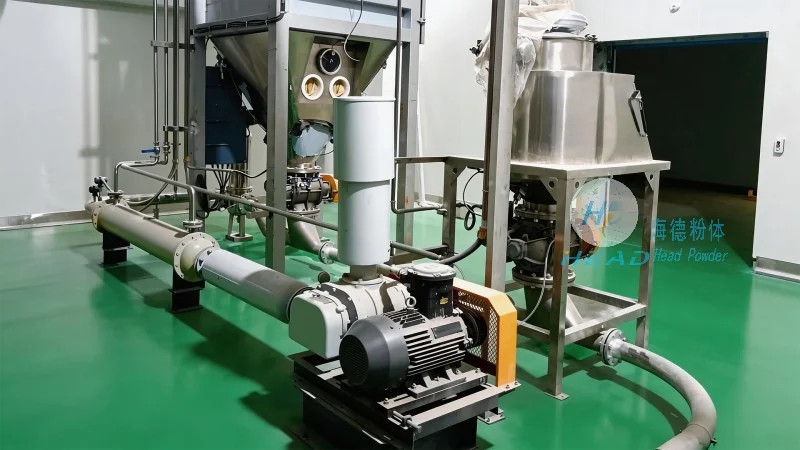
Overview of Ammonium Chloride Conveying Methods
When selecting a conveying method for ammonium chloride, factors such as material properties, distance, volume, and environmental considerations must be taken into account. The primary methods include bulk material handling techniques like belt conveyors, screw conveyors, and pneumatic conveying systems. Each method has specific characteristics that make it suitable for different scenarios.
Pneumatic Conveying: A Detailed Introduction
Pneumatic conveying is a popular method for transporting ammonium chloride due to its ability to handle fine powders and granules with minimal product degradation. This technique uses air or other gases to move the material through a pipeline system. There are two main types of pneumatic conveying: pressure and vacuum systems. Pressure systems use compressed air to push the material forward, while vacuum systems use a vacuum to draw the material into the pipeline.
The process typically involves a hopper or feeder that feeds the ammonium chloride into the conveying line. The material is then mixed with air and transported to the destination point, such as a storage silo or processing unit. Pneumatic conveying offers advantages like reduced labor costs, improved safety by eliminating manual handling, and the ability to transport materials over long distances without the need for multiple transfer points.
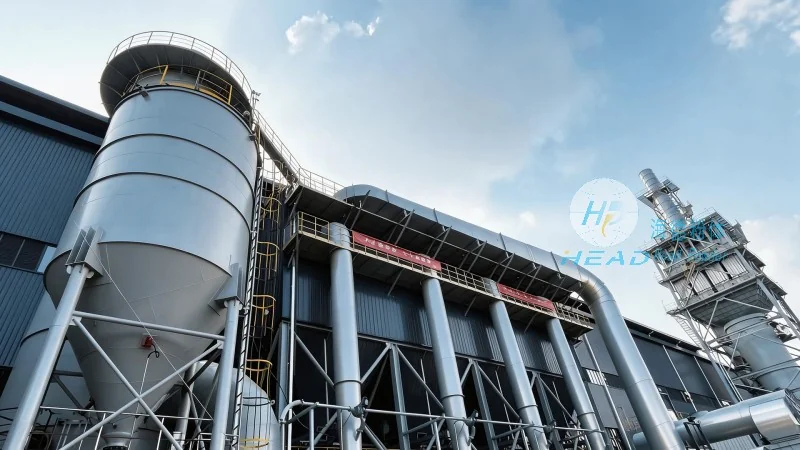
Advantages of Pneumatic Conveying for Ammonium Chloride
For ammonium chloride, pneumatic conveying provides several benefits that make it an attractive option for many industries. One key advantage is the ability to handle fine powders without causing dust accumulation or clogging. The enclosed system also helps maintain product purity and prevents contamination from external sources. Additionally, pneumatic conveying systems can be designed to operate in a closed loop, reducing environmental impact and improving safety in the workplace.
Another advantage is the flexibility of pneumatic conveying systems. They can be easily integrated with existing production lines and can be adjusted to handle varying material flow rates. This adaptability makes them suitable for both small-scale and large-scale operations. Furthermore, the use of air as the conveying medium is cost-effective compared to other methods that may require additional equipment or infrastructure.
Considerations for Implementing Pneumatic Conveying
While pneumatic conveying offers many benefits, there are several factors to consider when implementing this system for ammonium chloride. The first consideration is the material's properties, such as its moisture content and particle size distribution. Fine powders may require higher air velocities to prevent clogging, while larger granules may need lower velocities to maintain efficiency. The system design must account for these characteristics to ensure optimal performance.
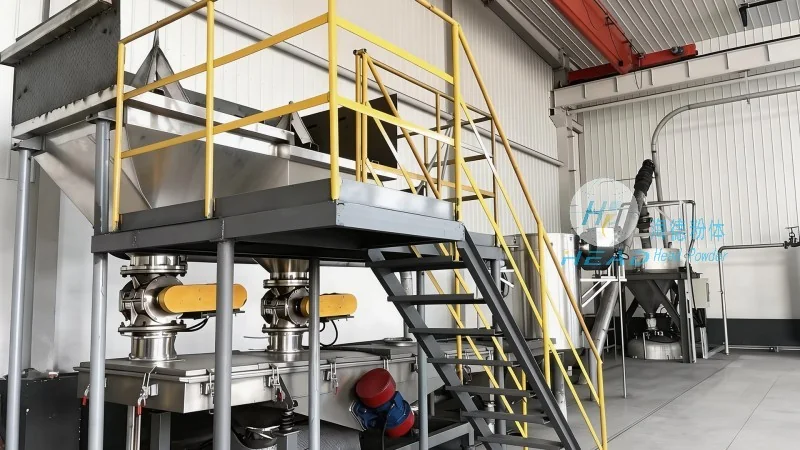
Another important consideration is the system's capacity and the distance to be covered. Longer distances may require additional boosters or larger diameter pipelines to maintain sufficient air pressure and material flow. The cost of the system, including equipment, installation, and maintenance, is also a critical factor. Companies must weigh the initial investment against the long-term benefits and operational savings.
Conclusion
Ammonium chloride is a versatile chemical with diverse applications, and the choice of conveying method plays a significant role in the overall efficiency of production processes. Pneumatic conveying stands out as a reliable and efficient method for transporting ammonium chloride, offering advantages in safety, product quality, and operational flexibility. By understanding the characteristics of different conveying systems and considering the specific needs of the application, companies can select the most appropriate method to ensure smooth and effective material handling.

 Shandong Headpowder Engineering Co., Ltd.
 156-6277-7102(Quản lý Trương)
  0531-83386006
  Thành phố Tế Nam, Tỉnh Sơn Đông, Trung Quốc
Điện thoại
WeChatTư vấn
Lên đầu