Với hơn 10 năm kinh nghiệm về vận chuyển khí nén, Headpowder Sơn Đông cung cấp hệ thống, thiết bị và quạt gió toàn chuỗi, đảm nhận các dự án kỹ thuật bột trọn gói trên toàn quốc.
Wheat, as a staple agricultural product, requires efficient and reliable methods for transportation from the field to processing facilities. Over the years, various conveying systems have been developed to handle this bulk material. The primary goal of these systems is to ensure minimal loss, maintain grain quality, and optimize operational efficiency. In this context, understanding the different wheat conveying methods is crucial for agricultural and industrial operations. The expertise in designing and implementing such systems is provided by companies like Shandong HeadPowder Engineering Co., Ltd., a leading provider of wheat handling solutions based in Shandong, China.
Traditional Conveying Methods
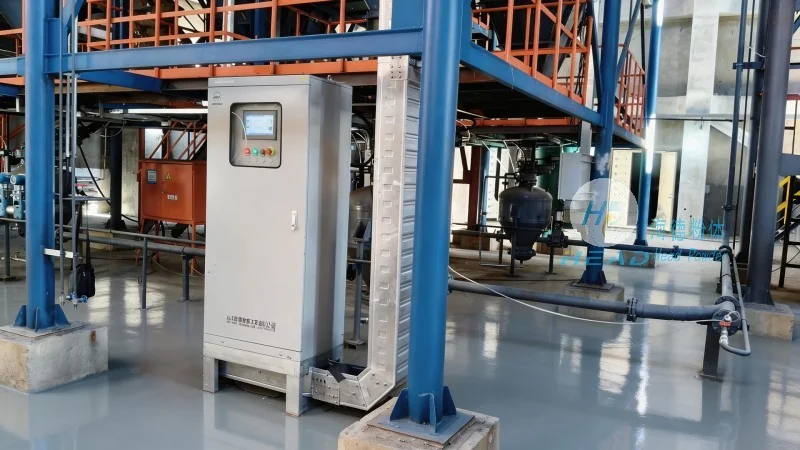
Before the advent of modern pneumatic systems, wheat was commonly transported using traditional methods such as bucket elevators, belt conveyors, and screw conveyors. These systems have been widely used in agricultural and food processing industries due to their simplicity and cost-effectiveness. Bucket elevators, for instance, are vertical or inclined devices that use buckets attached to a chain or belt to lift wheat from lower to higher levels. Belt conveyors, on the other hand, use a continuous belt to move wheat horizontally or at an incline, making them suitable for long-distance transport. Screw conveyors, also known as augers, utilize a rotating screw to push wheat through a tube, ideal for vertical or horizontal movement in confined spaces. While these methods are effective for many applications, they often face limitations in terms of capacity, speed, and the potential for grain damage.
Pneumatic Conveying Systems: The Modern Solution
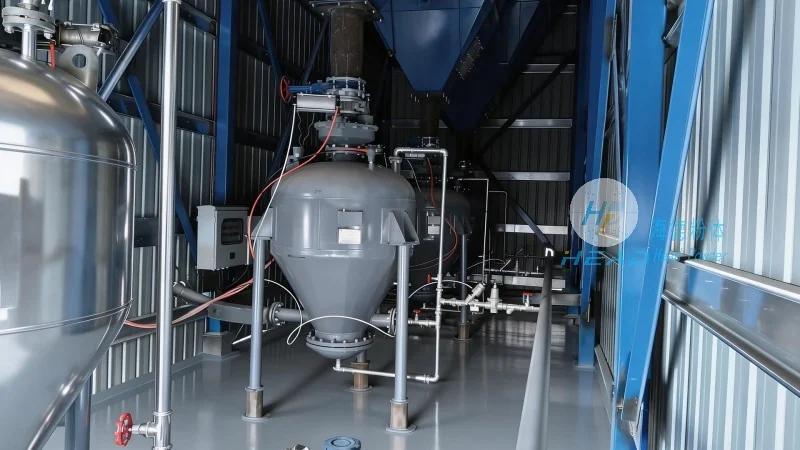
With advancements in technology, pneumatic conveying has emerged as a preferred method for wheat handling. Pneumatic systems use air pressure to transport wheat particles through a pipeline, eliminating the need for mechanical components that can cause wear and tear or contamination. The core of a pneumatic conveying system includes a hopper, a blower or compressor, a pipeline network, and a discharge unit. The process begins with wheat being fed into the hopper, where it is then drawn into the pipeline by the air flow generated by the blower. The air and wheat mixture travels through the pipeline to the discharge point, where the wheat is separated from the air and collected in a receiving container. This method offers several advantages over traditional systems, including higher throughput, reduced labor costs, and improved grain quality preservation. Pneumatic conveying is particularly suitable for long-distance transport, as it can handle distances of several hundred meters without significant loss of efficiency.
Components of a Wheat Pneumatic Conveying System
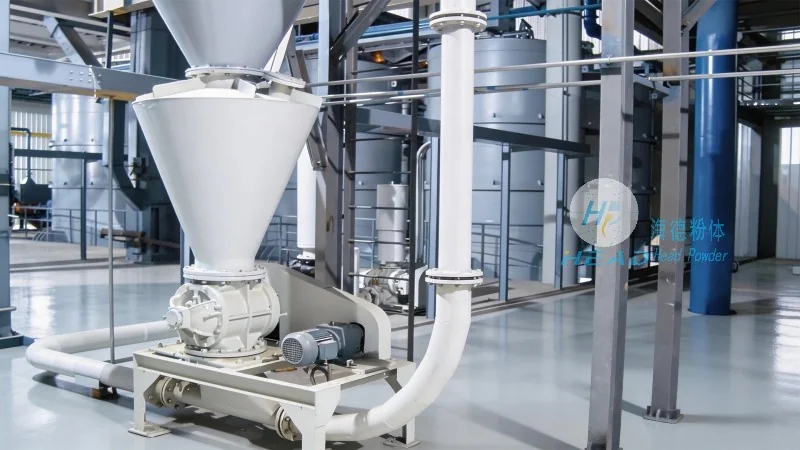
A typical wheat pneumatic conveying system consists of several key components that work in tandem to ensure smooth operation. The first component is the hopper, which serves as the storage and feeding unit for the wheat. The hopper is designed to maintain a consistent flow of wheat into the system, preventing blockages and ensuring a steady supply. Next is the blower or compressor, which provides the necessary air pressure to move the wheat through the pipeline. The blower's capacity and pressure are critical factors, as they determine the system's throughput and the distance the wheat can be transported. The pipeline network is another essential component, made from materials such as stainless steel or plastic, to withstand the pressure and prevent leaks. The pipeline is typically equipped with bends, valves, and filters to control the flow and maintain system efficiency. Finally, the discharge unit, which can be a cyclone separator or a rotary valve, separates the wheat from the air and directs it to the receiving container. This component is crucial for maintaining the purity of the wheat and preventing dust accumulation in the system.
Advantages of Wheat Pneumatic Conveying
Wheat pneumatic conveying systems offer numerous benefits that make them an attractive choice for agricultural and industrial operations. One of the primary advantages is the high throughput capacity, which allows for the rapid transport of large quantities of wheat. This is particularly important during harvest seasons when large volumes of grain need to be processed quickly. Another advantage is the reduced labor costs, as pneumatic systems require minimal human intervention once set up. The systems can operate continuously, minimizing downtime and maximizing productivity. Additionally, pneumatic conveying helps maintain the quality of the wheat by reducing mechanical damage and minimizing exposure to contaminants. The enclosed pipeline system prevents dust and moisture from entering the grain, preserving its nutritional value and marketability. Furthermore, pneumatic systems are versatile and can be customized to suit different operational requirements, such as varying distances or throughput needs. This adaptability makes them suitable for a wide range of applications, from small-scale farms to large industrial processing facilities.
Applications in Wheat Handling
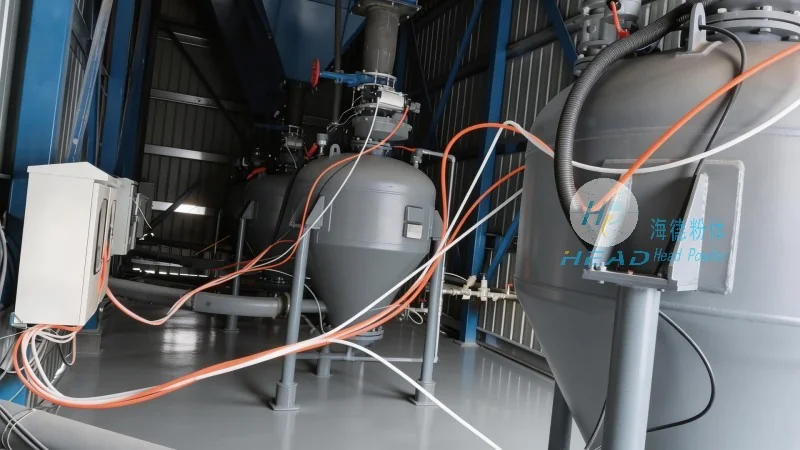
The versatility of wheat pneumatic conveying systems makes them applicable in various stages of wheat handling and processing. In the agricultural sector, these systems are commonly used for transporting wheat from the field to storage silos or processing plants. They are also used in grain elevators and terminals for bulk handling and distribution. In the food processing industry, pneumatic conveying is employed in flour mills and baking facilities to transport wheat from storage bins to milling equipment. The systems are particularly useful in these applications because they can handle the high volumes of grain required by these operations while maintaining the grain's quality. Additionally, pneumatic conveying is used in the packaging and distribution stages, where the wheat is transported from processing plants to warehouses or distribution centers. The ability to transport wheat over long distances without the need for intermediate handling makes pneumatic systems ideal for these applications.

 Shandong Headpowder Engineering Co., Ltd.
 156-6277-7102(Quản lý Trương)
  0531-83386006
  Thành phố Tế Nam, Tỉnh Sơn Đông, Trung Quốc
Điện thoại
WeChatTư vấn
Lên đầu