Với hơn 10 năm kinh nghiệm về vận chuyển khí nén, Headpowder Sơn Đông cung cấp hệ thống, thiết bị và quạt gió toàn chuỗi, đảm nhận các dự án kỹ thuật bột trọn gói trên toàn quốc.
When it comes to the production of lithium-ion batteries, the efficient and reliable transportation of positive and negative electrode materials is a critical step. The choice of conveying method directly impacts the quality, safety, and overall efficiency of the battery manufacturing process. Among the various options available, pneumatic conveying stands out as a preferred solution for many manufacturers. This article explores the different conveying methods used for lithium-ion battery electrode materials and highlights the advantages and features of pneumatic conveying, with a focus on the solutions provided by Shandong HeadPowder Engineering Co., Ltd., a leading company in this field.
Understanding Conveying Methods for Lithium-Ion Battery Electrode Materials
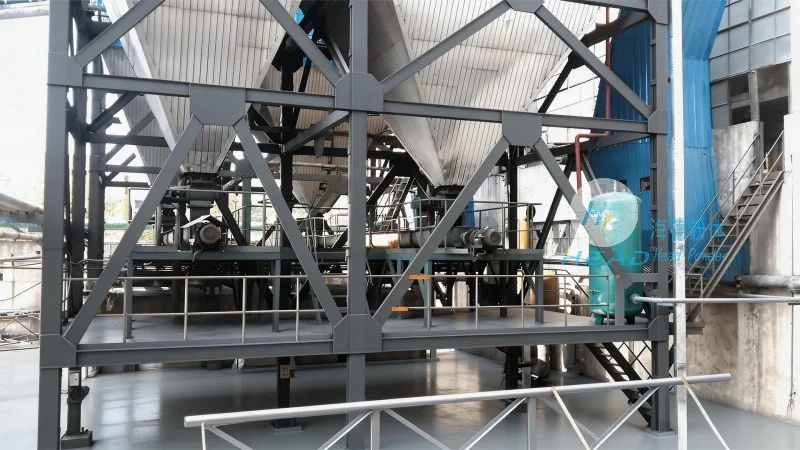
In the battery manufacturing industry, electrode materials such as lithium cobalt oxide (LCO), lithium iron phosphate (LFP), and nickel manganese cobalt oxide (NMC) need to be transported from storage to processing units. Traditional methods like belt conveyors and screw conveyors have been widely used, but they often face challenges related to material contamination, dust generation, and limited flexibility in handling fine powders. These issues have led to the adoption of more advanced conveying technologies, with pneumatic conveying emerging as a robust alternative.
Pneumatic Conveying: An Overview
Pneumatic conveying utilizes compressed air or gas to transport bulk materials through a pipeline system. It operates by creating a pressure differential that moves the material along the pipeline, either in a dilute phase (where particles are suspended in the air stream) or a dense phase (where particles are more closely packed). This method is particularly suitable for handling fine powders and granules, which are common in the production of lithium-ion battery electrodes.
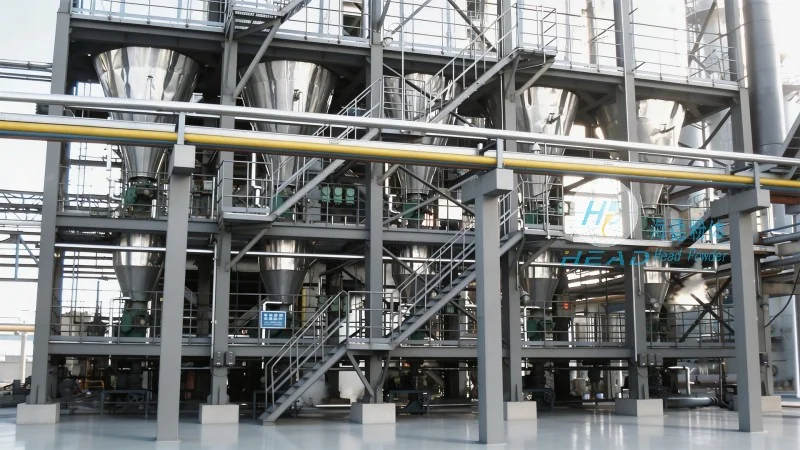
Advantages of Pneumatic Conveying for Lithium-Ion Battery Materials
There are several key advantages that make pneumatic conveying an ideal choice for transporting lithium-ion battery electrode materials:
Firstly, it offers high efficiency and speed. Pneumatic systems can transport materials over long distances and at high velocities, reducing the overall processing time compared to traditional methods. This is crucial in high-volume battery production lines where time is a critical factor.
Secondly, pneumatic conveying provides excellent containment and dust control. The closed pipeline system prevents material spillage and minimizes dust emissions, which is essential for maintaining a clean and safe working environment. This is particularly important in the battery manufacturing industry, where dust can be hazardous and affect product quality.
Thirdly, it ensures minimal material degradation. Unlike mechanical conveyors that may cause abrasion or compaction, pneumatic systems gently transport materials, preserving their physical properties and ensuring consistent quality in the final battery products.
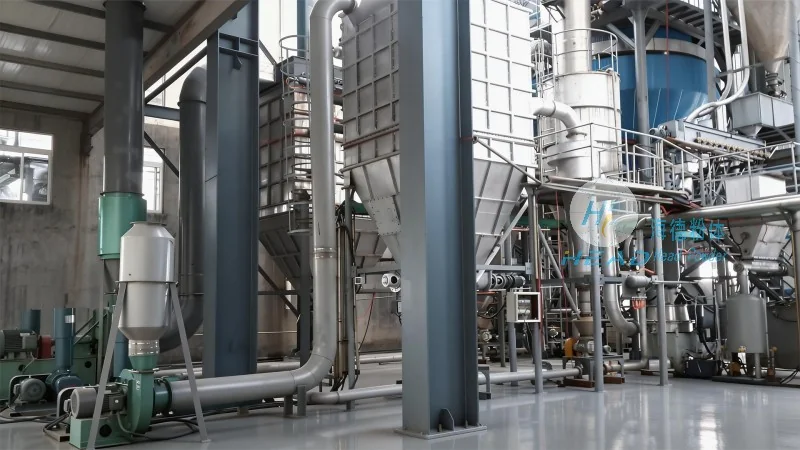
Fourthly, pneumatic conveying offers flexibility in system design. It can be easily integrated with existing production lines and adapted to handle different material types and flow rates. This adaptability makes it suitable for various stages of battery production, from raw material handling to final electrode preparation.
HeadPowder's Pneumatic Conveying Solutions
Shandong HeadPowder Engineering Co., Ltd. specializes in providing advanced pneumatic conveying systems tailored to the specific needs of lithium-ion battery manufacturers. The company's solutions are designed to optimize material transport while ensuring compliance with industry standards and safety regulations.
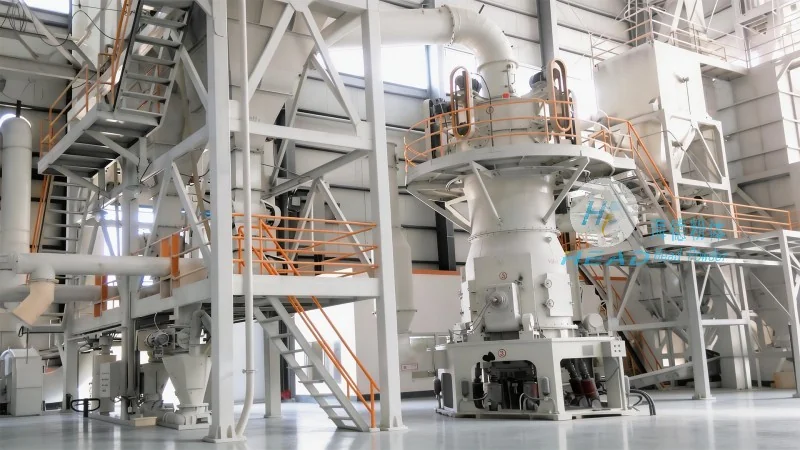
HeadPowder's pneumatic conveying systems are engineered to handle the unique challenges of lithium-ion battery electrode materials. These systems are equipped with high-quality components, such as efficient air compressors, specialized pipeline designs, and advanced control systems, to ensure reliable and consistent performance.
The company's expertise lies in customizing conveying solutions that meet the exact requirements of each client. Whether it's for transporting fine powders or bulk materials, HeadPowder's engineers work closely with clients to design systems that maximize efficiency, minimize downtime, and enhance overall production capabilities.
Conclusion
In conclusion, pneumatic conveying is a highly effective method for transporting lithium-ion battery positive and negative electrode materials. Its advantages in terms of efficiency, dust control, material preservation, and flexibility make it a preferred choice for modern battery manufacturing. With its commitment to innovation and quality, Shandong HeadPowder Engineering Co., Ltd. continues to provide reliable and advanced pneumatic conveying solutions that support the growth and success of the battery industry.

 Shandong Headpowder Engineering Co., Ltd.
 156-6277-7102(Quản lý Trương)
  0531-83386006
  Thành phố Tế Nam, Tỉnh Sơn Đông, Trung Quốc
Điện thoại
WeChatTư vấn
Lên đầu