Với hơn 10 năm kinh nghiệm về vận chuyển khí nén, Headpowder Sơn Đông cung cấp hệ thống, thiết bị và quạt gió toàn chuỗi, đảm nhận các dự án kỹ thuật bột trọn gói trên toàn quốc.
Sulfur, a vital industrial chemical with applications spanning agriculture, pharmaceuticals, and manufacturing, necessitates efficient and reliable transportation to meet global demand. The selection of a transportation method depends on several factors, including distance, volume, cost, and the physical state of the sulfur (liquid or solid). This article examines the primary methods employed for sulfur transportation, highlighting their advantages and typical applications.
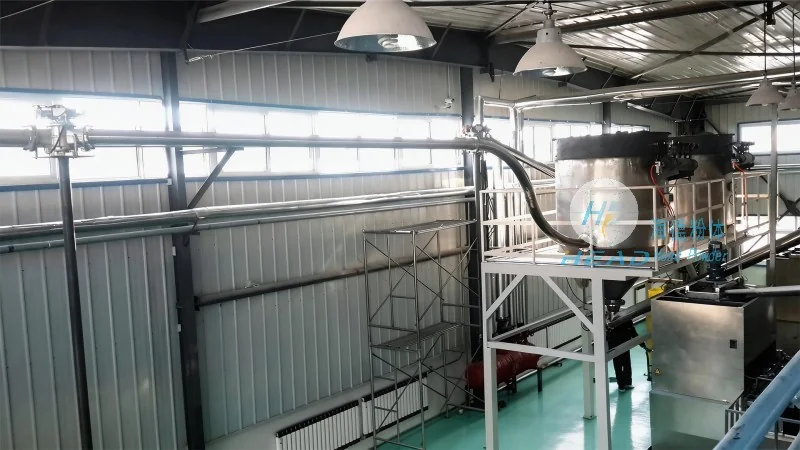
1. Pipeline Transportation
Pipeline transportation is a prevalent method for moving liquid sulfur over extended distances. This approach involves pumping molten sulfur through a network of pipelines, typically constructed from steel or specialized alloys to resist the corrosive properties of sulfur. The primary advantage of pipeline transport is its high efficiency and low operational costs, as it eliminates the need for intermediate handling and storage. It is particularly suitable for large-scale, continuous supply from production facilities to processing plants or distribution centers. For instance, in regions with extensive industrial infrastructure, pipelines can connect sulfur plants to refineries or chemical complexes, ensuring a steady flow of raw material. The system can be designed to handle varying volumes, with pumps and valves controlling the flow rate to match production and demand. This method also minimizes environmental risks compared to road or rail transport, as it reduces the number of vehicles on the road and the potential for spills.
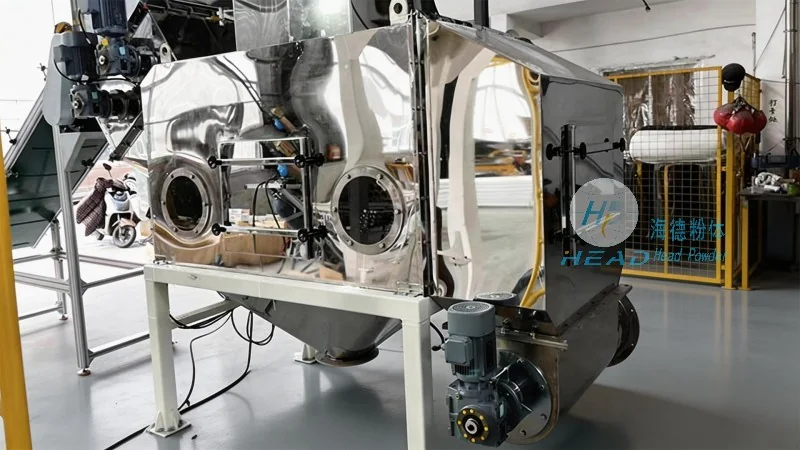
2. Tank Truck Transportation
For shorter distances or when flexibility is required, tank trucks are a popular choice for sulfur transportation. These specialized vehicles are equipped with insulated and corrosion-resistant tanks that can safely carry liquid sulfur. The process involves loading the sulfur at the production site, transporting it to the destination, and then unloading it. Tank trucks offer advantages such as on-demand delivery, which is essential for meeting the needs of smaller or more dispersed customers. They are also suitable for transporting sulfur to locations that are not connected by pipelines, such as remote processing facilities or distribution hubs. The capacity of tank trucks typically ranges from 20 to 40 cubic meters, allowing for moderate volumes without the need for bulk infrastructure. However, this method may incur higher costs compared to pipeline transport due to fuel consumption, driver labor, and regulatory compliance. Additionally, the frequency of loading and unloading operations can affect the overall efficiency, especially for high-volume requirements.
3. Containerized Transportation
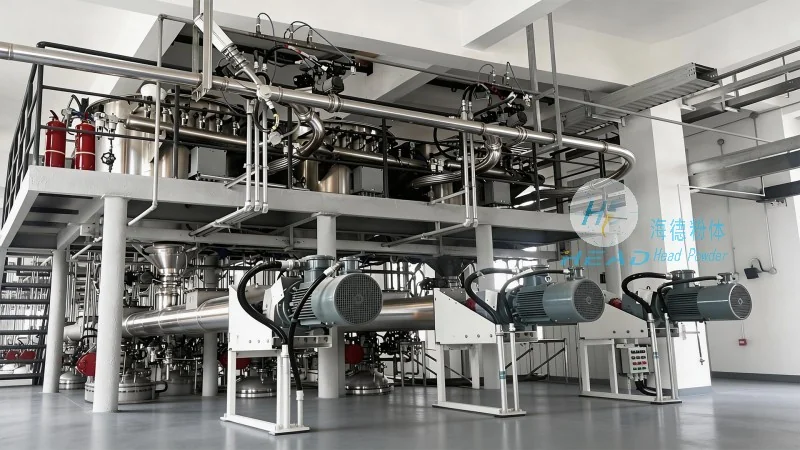
Containerized transportation, often utilizing specialized containers or bulk carriers, is another method for moving sulfur, particularly in solid or semi-solid forms. These containers are designed to withstand the physical and chemical properties of sulfur, featuring airtight seals and reinforced structures to prevent leaks. The use of containers enables transportation over long distances via rail or sea, making it suitable for international trade. For example, solid sulfur can be loaded into containers at the production plant, transported to a port, and then shipped to overseas markets. This method provides flexibility in terms of volume and destination, as containers can be combined or separated as needed. The cost of containerized transport is generally higher than pipeline or tank truck methods due to the additional handling and transportation modes involved. However, it offers the advantage of being able to transport sulfur to locations that are not accessible by other means, such as remote or developing regions. The containers are also reusable, which can reduce long-term costs for companies with consistent international trade needs.
4. Bulk Shipments via Rail or Sea
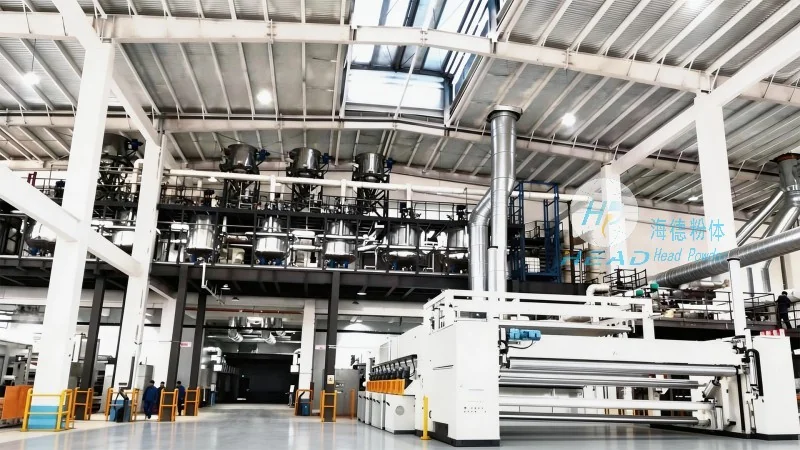
For very large volumes of sulfur, bulk shipments via rail or sea are common. Railcars or bulk carriers are used to transport solid sulfur in bulk, often in specialized wagons or holds designed to prevent spillage. This method is particularly effective for moving sulfur over long distances, such as from a production facility in China to markets in Europe or North America. The advantage of rail or sea transport is its ability to handle massive quantities, which is essential for meeting the global demand for sulfur. The cost per unit is generally lower for bulk shipments compared to smaller transport methods, making it economical for large-scale operations. However, this method may have longer lead times due to the need to coordinate with rail networks or shipping schedules. Additionally, it requires careful planning to ensure that the sulfur is loaded and unloaded efficiently, as delays can impact production schedules. The use of specialized equipment, such as conveyor systems or loading arms, is crucial to maintain the integrity of the sulfur during transport.
5. Specialized Handling and Storage Solutions
Regardless of the transportation method chosen, specialized handling and storage solutions are often required to ensure the safety and efficiency of sulfur transport. This includes equipment like sulfur pumps, valves, and storage tanks that are designed to handle the corrosive nature of sulfur. For example, positive displacement pumps are commonly used to move liquid sulfur through pipelines, as they provide consistent flow rates and can handle high pressures. Storage tanks are typically insulated and equipped with heating systems to maintain the sulfur in a liquid state, especially in colder climates. Additionally, safety measures such as pressure relief valves and leak detection systems are essential to prevent accidents during transport and storage. Companies like Shandong HeadPowder Engineering Co., Ltd. specialize in providing these specialized solutions, ensuring that sulfur is transported safely and efficiently. Their expertise in industrial engineering and chemical processing allows them to design and implement systems tailored to the specific needs of their clients, whether it's for pipeline infrastructure, tank truck operations, or containerized transport.

 Shandong Headpowder Engineering Co., Ltd.
 156-6277-7102(Quản lý Trương)
  0531-83386006
  Thành phố Tế Nam, Tỉnh Sơn Đông, Trung Quốc
Điện thoại
WeChatTư vấn
Lên đầu