Với hơn 10 năm kinh nghiệm về vận chuyển khí nén, Headpowder Sơn Đông cung cấp hệ thống, thiết bị và quạt gió toàn chuỗi, đảm nhận các dự án kỹ thuật bột trọn gói trên toàn quốc.
Ceramic powder handling is a critical process in various industrial applications, from manufacturing to processing. The efficiency and reliability of conveying systems directly impact production quality and operational costs. Among the diverse methods available, pneumatic conveying stands out as a versatile and effective solution for transporting ceramic powders. This article explores the different types of ceramic powder conveying methods, with a focus on the advanced solutions offered by Shandong HeadPowder Engineering Co., Ltd., commonly known as HeadPowder.
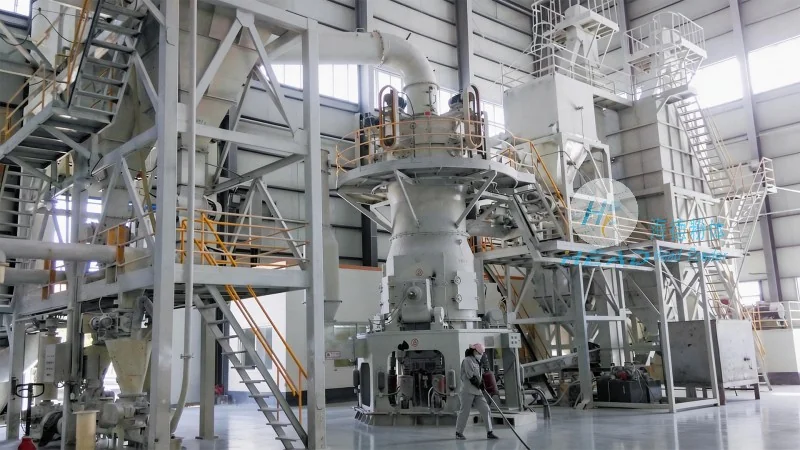
Understanding Ceramic Powder Conveying Systems
Ceramic powders, such as alumina, zirconia, and silicon carbide, are often used in high-value applications like aerospace, electronics, and automotive industries. These materials require precise handling to maintain their quality and prevent contamination. Traditional methods like bucket elevators or screw conveyors may not be suitable due to the abrasive nature and fine particle size of ceramic powders. Pneumatic conveying systems, on the other hand, provide a clean, dust-free, and efficient way to transport these materials over long distances.
Types of Pneumatic Conveying for Ceramic Powders
There are primarily two types of pneumatic conveying systems used for ceramic powder transport: positive pressure and negative pressure. Each method has its own advantages and is chosen based on the specific requirements of the application.
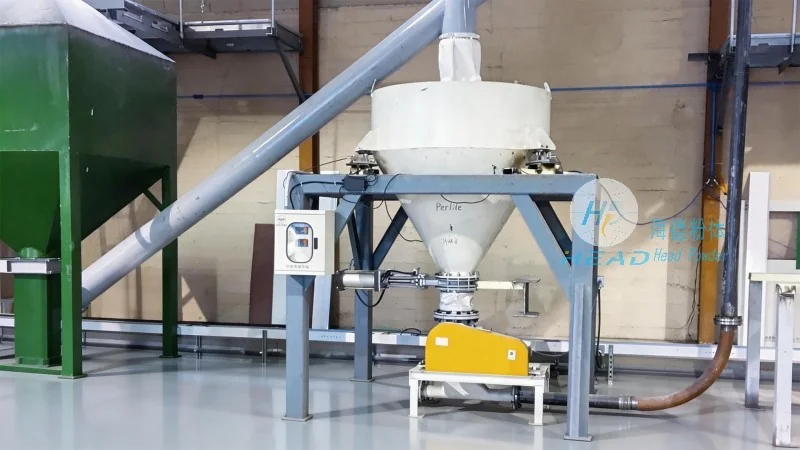
Positive Pressure Conveying Systems
Positive pressure systems, also known as pressure or blow-through systems, use compressed air to push the material through a pipeline. In this setup, the air is introduced at the material inlet, creating a positive pressure that propels the powder forward. HeadPowder specializes in designing and manufacturing positive pressure conveying systems tailored for ceramic powders. These systems are particularly effective for long-distance transport and can handle a wide range of particle sizes and flow rates. The use of positive pressure ensures that the material is continuously moved, reducing the risk of clogging and maintaining consistent flow.
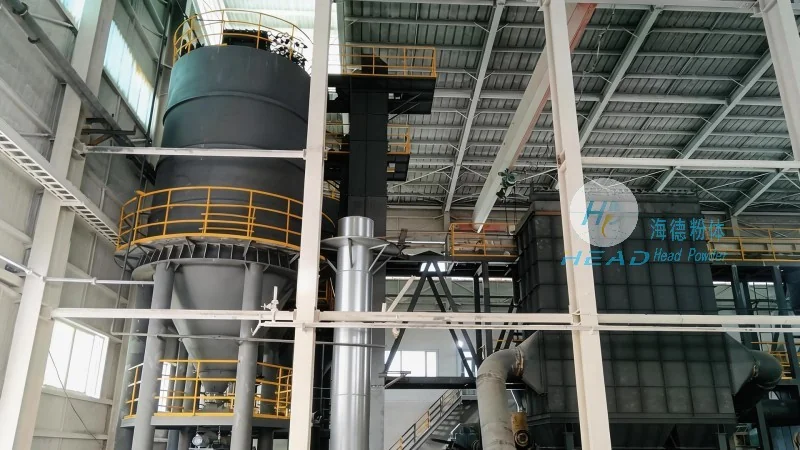
Negative Pressure Conveying Systems
Negative pressure systems, or vacuum systems, operate by creating a vacuum at the material outlet, drawing the powder into the pipeline. The air is then exhausted from the system, carrying the material to the destination. This method is ideal for applications where the material needs to be transported from a higher to a lower elevation or where the process requires a closed system to prevent dust emissions. HeadPowder's negative pressure conveying solutions are designed to handle fine ceramic powders with high efficiency and minimal particle loss. The vacuum system ensures that the material is drawn smoothly, maintaining the integrity of the powder and preventing contamination from external sources.
Advantages of Pneumatic Conveying for Ceramic Powders
Compared to other conveying methods, pneumatic conveying offers several advantages for ceramic powder handling. Firstly, it provides a dust-free environment, which is crucial for maintaining the quality of the powder and ensuring a safe working environment. Secondly, the system is compact and can be integrated into existing production lines without major modifications. Thirdly, it allows for precise control over the flow rate and pressure, enabling consistent and reliable material transport. HeadPowder's expertise in customizing pneumatic conveying systems ensures that clients receive solutions that meet their specific operational needs, whether it's for high-volume production or specialized applications.
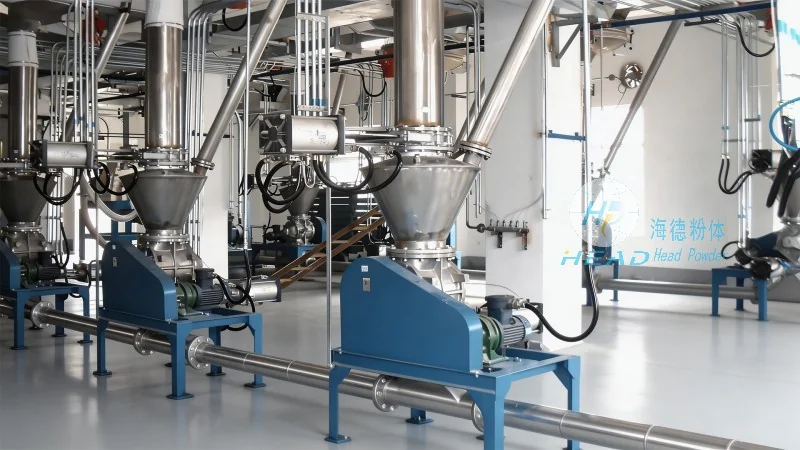
Customization and Application Flexibility
HeadPowder, a leading manufacturer based in Shandong, China, understands that each ceramic powder application has unique requirements. Therefore, the company offers customized pneumatic conveying solutions that can be tailored to handle different types of ceramic powders, including those with high abrasiveness or varying particle sizes. The company's engineering team works closely with clients to assess their production processes, material characteristics, and operational constraints to design the most suitable conveying system. This approach ensures that the final solution is not only efficient but also cost-effective and sustainable in the long run.
Conclusion
In conclusion, pneumatic conveying is a highly effective method for transporting ceramic powders, offering advantages in terms of efficiency, cleanliness, and flexibility. Shandong HeadPowder Engineering Co., Ltd. provides advanced pneumatic conveying solutions that cater to the specific needs of ceramic powder handling applications. By leveraging their expertise in positive and negative pressure systems, HeadPowder helps clients optimize their production processes, improve product quality, and reduce operational costs. For businesses dealing with ceramic powders, investing in a reliable pneumatic conveying system from HeadPowder is a strategic decision that can enhance overall operational performance.

 Shandong Headpowder Engineering Co., Ltd.
 156-6277-7102(Quản lý Trương)
  0531-83386006
  Thành phố Tế Nam, Tỉnh Sơn Đông, Trung Quốc
Điện thoại
WeChatTư vấn
Lên đầu