Với hơn 10 năm kinh nghiệm về vận chuyển khí nén, Headpowder Sơn Đông cung cấp hệ thống, thiết bị và quạt gió toàn chuỗi, đảm nhận các dự án kỹ thuật bột trọn gói trên toàn quốc.
Titanium dioxide, a critical white pigment utilized across industries including coatings, plastics, and paper, demands efficient and reliable conveying solutions to maintain smooth production workflows. Among the various options available, pneumatic conveying systems stand out as a preferred choice for many manufacturers due to their unique advantages and features. This article will explore the different types of titanium dioxide conveying methods and delve into the specific benefits of pneumatic conveying systems.
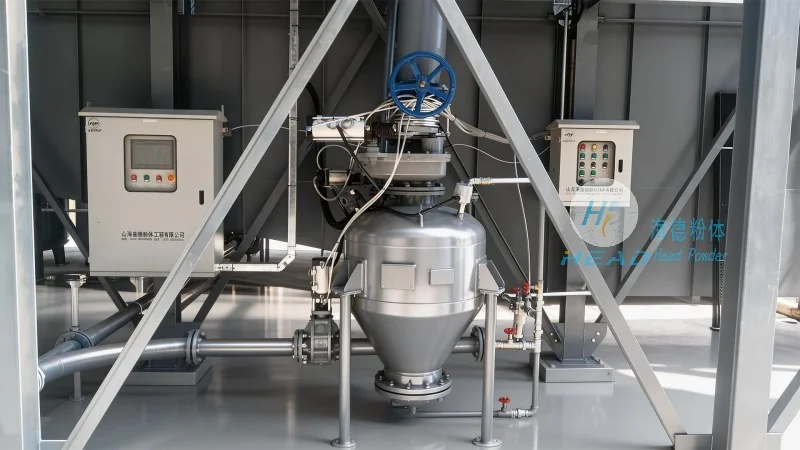
Understanding Titanium Dioxide and Its Conveying Requirements
Titanium dioxide (TiO₂) is characterized by its fine particle size, high density, and flow properties that make traditional mechanical handling challenging. The material's sensitivity to degradation, blockages, and contamination necessitates specialized conveying solutions. Conventional methods like belt or screw conveyors may not be suitable, as they risk particle attrition and operational inefficiencies. Therefore, many industries turn to pneumatic conveying as a robust alternative.
Common Conveying Methods for Titanium Dioxide
Before examining the advantages of pneumatic conveying, it is essential to understand the primary methods used for titanium dioxide transport. The most common approaches include:
Mechanical Conveyors: Such as belt conveyors, screw conveyors, and bucket elevators. These systems rely on mechanical components to move material from one location to another. While effective for bulk materials, they may struggle with fine powders like titanium dioxide, leading to issues like clogging and reduced efficiency.
Hydraulic Conveying: This method uses fluid pressure to transport material through pipelines. However, it is less common for titanium dioxide due to potential material degradation and complex system maintenance.
Pneumatic Conveying: As the most widely adopted method for fine powders, pneumatic conveying utilizes air or other gases to transport material through a pipeline system. This approach offers distinct advantages over mechanical and hydraulic methods.
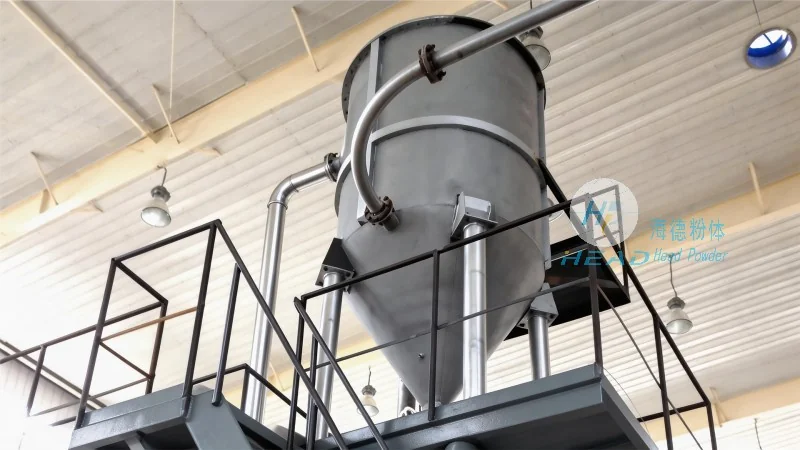
The Advantages of Pneumatic Conveying for Titanium Dioxide
Pneumatic conveying systems provide numerous benefits that make them ideal for handling titanium dioxide. The key advantages include:
Efficient and Continuous Operation: Pneumatic systems enable continuous, unattended operation, reducing labor costs and increasing production throughput. The ability to transport material over long distances without intermediate storage points enhances operational efficiency.
Minimal Product Degradation: Unlike mechanical conveyors that can cause particle attrition or damage, pneumatic conveying uses air pressure to move material gently. This ensures titanium dioxide particles remain intact, preserving their quality and performance characteristics.
Reduced Risk of Contamination: Pneumatic systems are enclosed, preventing material from contacting external contaminants. This is particularly important for titanium dioxide, which is used in applications where purity is critical, such as in food and pharmaceutical industries.
Flexibility in Layout: Pneumatic conveying systems can be easily integrated into existing production layouts. The ability to install horizontal, vertical, or inclined pipelines allows for customized solutions tailored to specific facility requirements.
Lower Maintenance Costs: Compared to mechanical conveyors, which require regular maintenance for components like belts and screws, pneumatic systems have fewer moving parts. This results in lower maintenance costs and reduced downtime.
Key Features of Pneumatic Conveying Systems for Titanium Dioxide
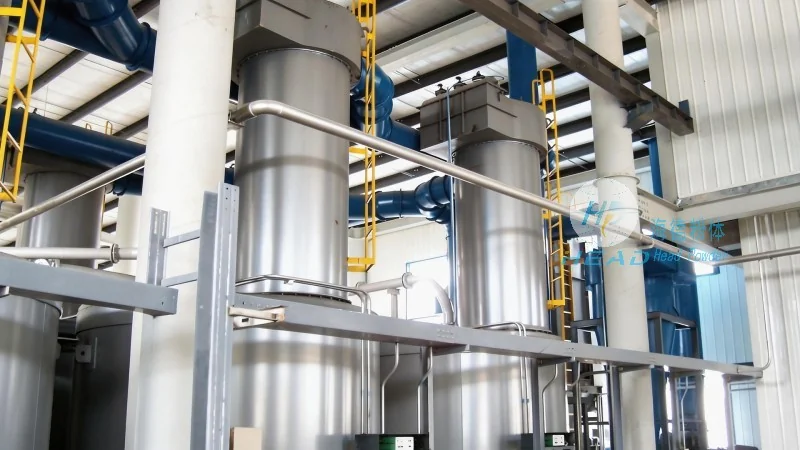
In addition to the advantages mentioned above, pneumatic conveying systems for titanium dioxide offer several key features that enhance performance and reliability:
Positive Displacement Pneumatic Conveying: This type of system uses a positive displacement pump to create a pressure differential, ensuring consistent material flow. It is suitable for both low and high-pressure applications and can handle varying particle sizes and flow rates.
Negative Displacement Pneumatic Conveying: Also known as dilute-phase conveying, this method uses lower air velocities to transport material. It is ideal for long-distance transport and can handle large volumes of titanium dioxide efficiently.
Filter and Dust Collection Systems: Pneumatic conveying systems typically include integrated filter and dust collection units to capture airborne particles and ensure compliance with environmental regulations. This feature is crucial for maintaining a clean and safe working environment.
Control and Monitoring Systems: Modern pneumatic conveying systems are equipped with advanced control and monitoring technologies. These systems allow operators to track material flow rates, pressure levels, and system performance in real-time, enabling proactive maintenance and optimization.
Conclusion: Selecting the Right Conveying Solution for Titanium Dioxide
When selecting a conveying method for titanium dioxide, manufacturers must consider material properties, production requirements, and operational constraints. While mechanical and hydraulic methods may be suitable for some applications, pneumatic conveying systems offer superior performance, efficiency, and reliability. The advantages of minimal product degradation, reduced contamination risk, and lower maintenance costs make pneumatic conveying the preferred choice for many industries.
Shandong HeadPowder Engineering Co., Ltd., a leading provider of material handling solutions, specializes in designing and manufacturing customized pneumatic conveying systems for titanium dioxide and other fine powders. With years of experience and a commitment to quality, the company ensures its systems meet the highest standards of performance and safety. Located in Shandong, China, HeadPowder Engineering Co., Ltd. offers tailored solutions that address the unique needs of each client, helping them achieve optimal production efficiency and product quality.

 Shandong Headpowder Engineering Co., Ltd.
 156-6277-7102(Quản lý Trương)
  0531-83386006
  Thành phố Tế Nam, Tỉnh Sơn Đông, Trung Quốc
Điện thoại
WeChatTư vấn
Lên đầu