Với hơn 10 năm kinh nghiệm về vận chuyển khí nén, Headpowder Sơn Đông cung cấp hệ thống, thiết bị và quạt gió toàn chuỗi, đảm nhận các dự án kỹ thuật bột trọn gói trên toàn quốc.
When handling polyvinyl alcohol formaldehyde (PVA-Formaldehyde), also known as PVA resin, selecting the appropriate conveying method is crucial for ensuring efficient and safe material transport. Different conveying systems offer varying advantages and disadvantages, which must be carefully evaluated based on specific operational requirements. This article provides a detailed comparison of common PVA-Formaldehyde conveying methods, focusing on their key characteristics and practical applications.
Overview of Key Conveying Methods
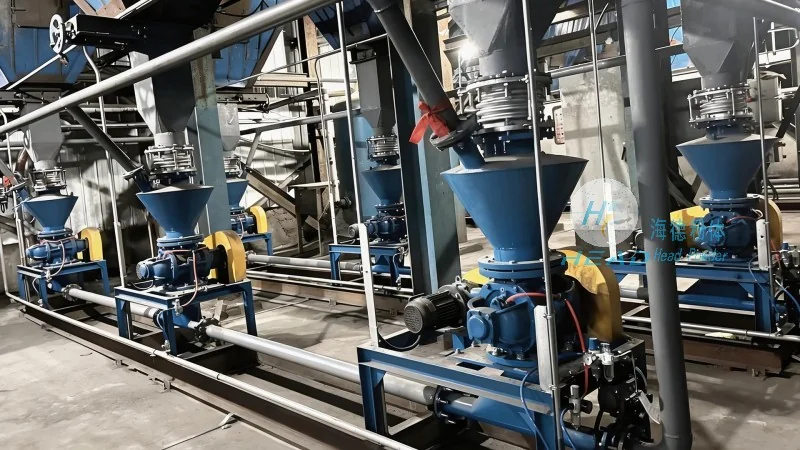
Several primary methods are widely used for transporting PVA-Formaldehyde, including pneumatic conveying, screw conveyors, and belt conveyors. Each method has distinct operational principles and performance attributes that influence its suitability for different industrial settings. The following sections delve into the advantages and disadvantages of these methods to help users make informed decisions.
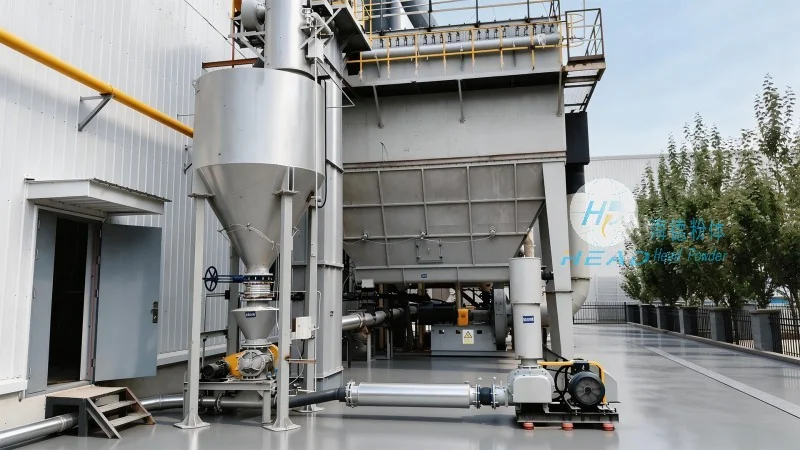
Pneumatic Conveying Systems
Pneumatic conveying utilizes air pressure to move PVA-Formaldehyde through a pipeline system. This method is particularly effective for handling fine powders and granules, as it minimizes material degradation and contamination. A key advantage of pneumatic conveying is its ability to transport materials over long distances without the need for multiple transfer points. However, this system requires a significant amount of compressed air, which increases energy consumption and operational costs. Additionally, the design of the pipeline must be carefully optimized to prevent material buildup and ensure consistent flow rates. Shandong HeadPowder Engineering Co., Ltd. specializes in designing and implementing customized pneumatic conveying solutions tailored to the specific needs of PVA-Formaldehyde applications.
Screw Conveyors
Screw conveyors are mechanical devices that use a rotating screw to move PVA-Formaldehyde along a trough or tube. This method is ideal for handling bulk materials and is commonly used in processing plants. One of the main advantages of screw conveyors is their simplicity and reliability. They require minimal maintenance and can operate continuously without interruption. However, screw conveyors are not suitable for very fine powders, as they may cause excessive friction and material degradation. Furthermore, the design of the screw and trough must be optimized to prevent material clogging, especially when handling cohesive or sticky PVA-Formaldehyde. The company, Shandong HeadPowder Engineering Co., Ltd., offers a range of screw conveyor models designed to handle various PVA-Formaldehyde compositions and particle sizes.
Belt Conveyors
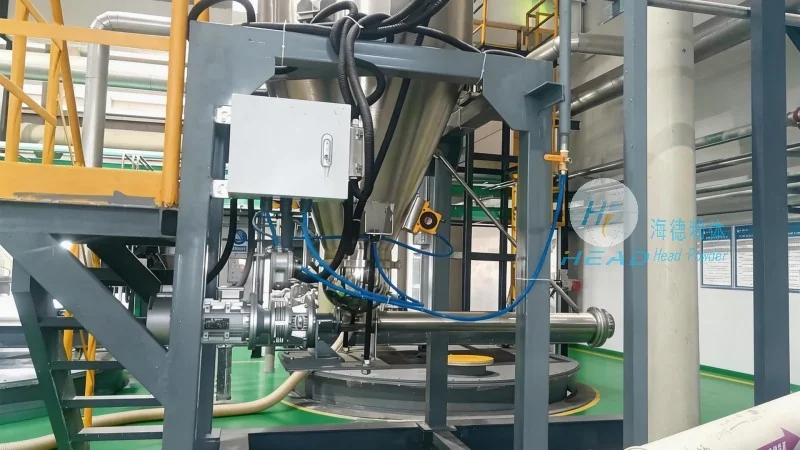
Belt conveyors use a continuous belt to transport PVA-Formaldehyde over a series of rollers or idlers. This method is well-suited for handling larger quantities of material and is commonly used in bulk material handling operations. A significant advantage of belt conveyors is their high capacity and ability to transport materials over long horizontal or inclined distances. However, belt conveyors require regular maintenance to ensure proper belt tension and prevent slippage. Additionally, they are susceptible to material spillage and contamination, which can affect product quality. The company, Shandong HeadPowder Engineering Co., Ltd., provides belt conveyor systems with advanced sealing and cleaning features to minimize material loss and maintain hygiene standards.
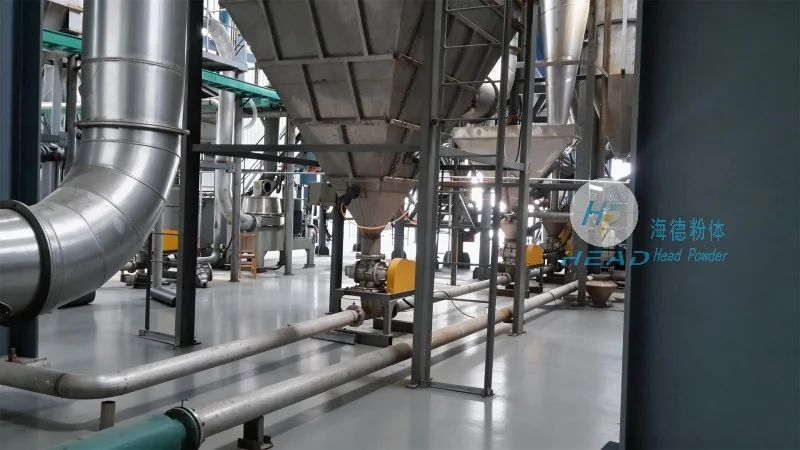
Comparative Analysis of Conveying Methods
When comparing pneumatic, screw, and belt conveyors for PVA-Formaldehyde transport, several factors must be considered. Pneumatic conveying excels in terms of material handling efficiency and minimal degradation, but at a higher energy cost. Screw conveyors offer simplicity and reliability but are limited by material properties and potential clogging. Belt conveyors provide high capacity and long-distance transport but require more maintenance and are prone to spillage. The choice of conveying method ultimately depends on the specific application requirements, such as material characteristics, distance, and operational budget. Shandong HeadPowder Engineering Co., Ltd. recommends conducting a thorough analysis of these factors to select the most appropriate conveying system for PVA-Formaldehyde processing.
Conclusion
Efficient and safe conveying of PVA-Formaldehyde is essential for maintaining product quality and operational efficiency in industrial applications. By understanding the advantages and disadvantages of different conveying methods, users can select the most suitable system for their specific needs. Shandong HeadPowder Engineering Co., Ltd. provides expert consultation and customized solutions to help clients optimize their PVA-Formaldehyde conveying processes, ensuring reliable and cost-effective material transport. With a focus on quality and innovation, the company continues to support the industrial needs of PVA-Formaldehyde processing facilities worldwide.

 Shandong Headpowder Engineering Co., Ltd.
 156-6277-7102(Quản lý Trương)
  0531-83386006
  Thành phố Tế Nam, Tỉnh Sơn Đông, Trung Quốc
Điện thoại
WeChatTư vấn
Lên đầu