Với hơn 10 năm kinh nghiệm về vận chuyển khí nén, Headpowder Sơn Đông cung cấp hệ thống, thiết bị và quạt gió toàn chuỗi, đảm nhận các dự án kỹ thuật bột trọn gói trên toàn quốc.
When it comes to handling and transporting calcium powder in industrial applications, selecting the right conveying method is crucial for efficiency, cost-effectiveness, and product integrity. Different industries, such as food processing, pharmaceuticals, and chemical manufacturing, often face unique challenges when moving calcium powder, which can vary in properties like moisture content, particle size, and flowability. This article provides a detailed comparison of common calcium powder conveying methods, examining their advantages and disadvantages to help businesses make informed decisions.
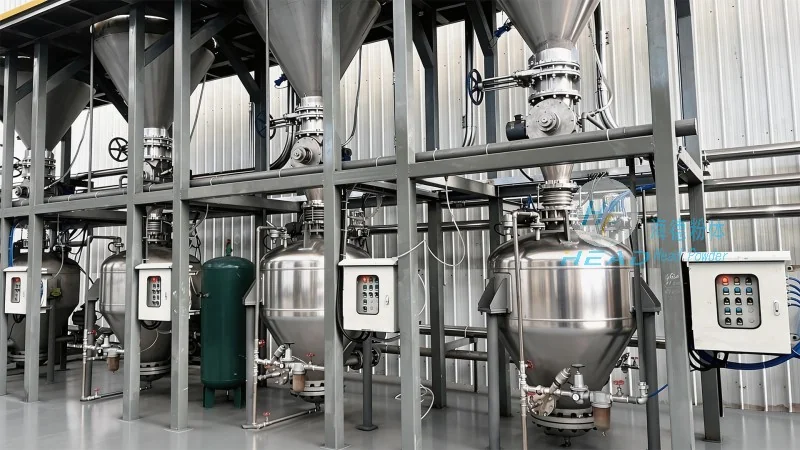
Overview of Calcium Powder Conveying Methods
Before diving into the specifics of each method, it's essential to understand the primary types of calcium powder conveying systems used in industrial settings. These systems are broadly categorized based on the principles of operation, including mechanical, pneumatic, and hydraulic approaches. Each method has its own set of characteristics that make it suitable for particular applications.
Screw Conveyors: A Traditional Mechanical Solution
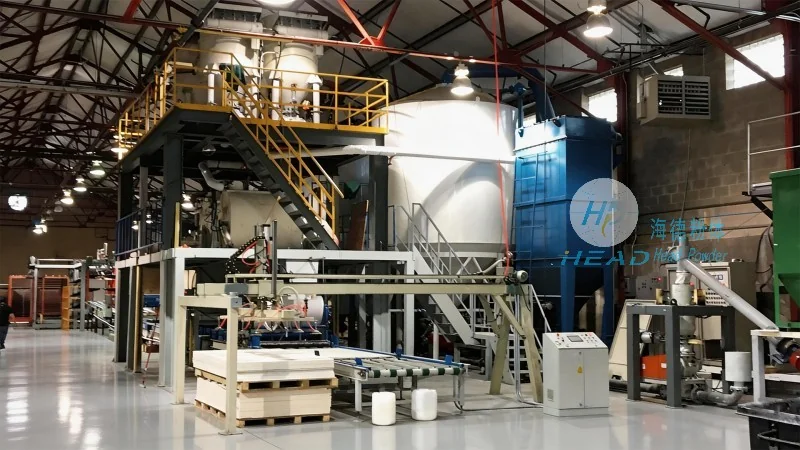
Screw conveyors, also known as auger conveyors, are one of the most common and widely used methods for transporting calcium powder. These systems consist of a rotating helical screw inside a trough or tube, which moves the material forward through the system. The primary advantage of screw conveyors is their simplicity and reliability. They are relatively low-cost to install and maintain, making them an attractive option for many businesses. Additionally, screw conveyors can handle a wide range of materials, including those with varying particle sizes and moisture content. They are also suitable for vertical or inclined transport, which can help save space in industrial facilities.
However, screw conveyors have several limitations that may affect their suitability for calcium powder applications. One major drawback is their limited capacity compared to other methods, especially for large-scale operations. They can also experience issues with material buildup or clogging, particularly if the calcium powder is prone to clumping or has high moisture content. This can lead to reduced efficiency and increased maintenance costs. Furthermore, screw conveyors may not be ideal for transporting very fine or powdery calcium powder, as the material can easily escape through the gaps in the screw or trough, leading to dust and product loss.
Pneumatic Conveying: The Power of Air
Pneumatic conveying systems use air or other gases to transport calcium powder through a pipeline. These systems are classified into two main types: pressure and vacuum. Pressure systems force air and the powder mixture through the pipeline, while vacuum systems create a negative pressure to draw the material into the line. Pneumatic conveying offers several advantages for calcium powder transport. First, it can handle very fine or powdery materials without the need for additional equipment like screw conveyors. This reduces the risk of dust and product loss during transport. Second, pneumatic systems can transport materials over long distances and even vertically, making them suitable for complex industrial layouts. They also provide better control over the material flow, allowing for precise dosing and mixing.
Despite these benefits, pneumatic conveying has its own set of challenges. One significant drawback is the high energy consumption required to operate the system, especially for pressure systems. This can increase operational costs, particularly for large-scale operations. Additionally, pneumatic systems may be susceptible to material degradation or contamination if the air is not properly filtered or if the system is not designed correctly. Another issue is the potential for product separation or segregation during transport, which can affect the quality of the final product. Furthermore, the initial cost of pneumatic conveying systems is often higher than that of mechanical systems like screw conveyors, making them less attractive for smaller operations.
Belt Conveyors: High-Capacity and Versatile
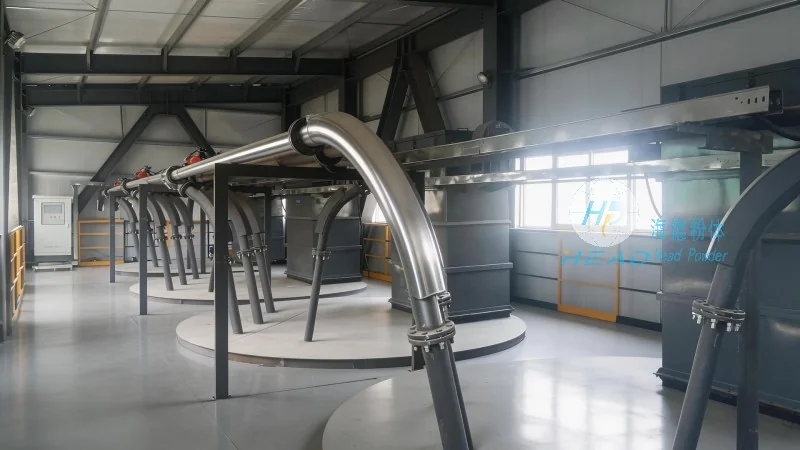
Belt conveyors are another common method for transporting calcium powder, particularly in applications requiring high capacity and long-distance transport. These systems consist of a continuous belt that moves over rollers or idlers, carrying the material from one point to another. The primary advantage of belt conveyors is their high capacity, which makes them suitable for large-scale operations. They can transport large volumes of calcium powder efficiently and at a relatively low cost per unit. Belt conveyors are also versatile and can handle a wide range of materials, including those with varying particle sizes and moisture content. They are particularly effective for horizontal or slightly inclined transport, making them ideal for bulk material handling in industries like mining and agriculture.
However, belt conveyors have limitations that may affect their use in calcium powder applications. One major drawback is their susceptibility to material buildup or clogging, especially if the calcium powder is prone to clumping or has high moisture content. This can lead to reduced efficiency and increased maintenance costs. Additionally, belt conveyors require more space than other methods, which may be a constraint in facilities with limited floor space. They also have higher initial costs compared to screw conveyors and pneumatic systems, and require more maintenance to ensure proper operation. Furthermore, belt conveyors may not be suitable for very fine or powdery calcium powder, as the material can easily escape through the gaps in the belt or rollers, leading to dust and product loss.
Comparative Analysis: Choosing the Right Method
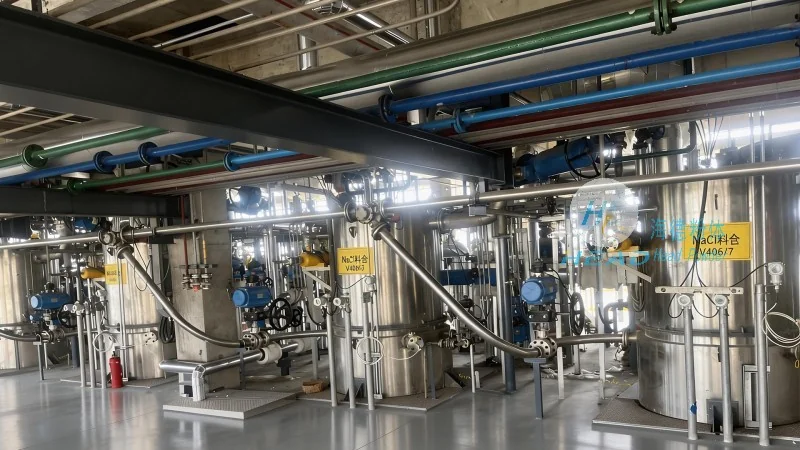
When selecting a calcium powder conveying method, businesses must consider several factors, including the scale of operation, the properties of the material, the required transport distance, and the available budget. The choice of method can significantly impact the efficiency, cost, and product quality of the overall process. For example, screw conveyors may be suitable for small-scale operations or applications where simplicity and low cost are prioritized. Pneumatic systems, on the other hand, may be more appropriate for large-scale operations or applications requiring precise control over the material flow. Belt conveyors are ideal for high-capacity, long-distance transport but may require more space and higher initial investment.
It's also important to consider the potential for material degradation or contamination during transport. Some methods, like pneumatic conveying, may expose the calcium powder to air, which can lead to oxidation or moisture absorption. Others, like screw conveyors, may cause less exposure but can still lead to clogging or product loss. The choice of method should be based on a thorough analysis of these factors to ensure the best possible outcome for the business.
Conclusion: Making Informed Decisions with HeadPowder
Choosing the right calcium powder conveying method is a critical decision for businesses in industries that rely on calcium powder. The methods discussed in this article—screw conveyors, pneumatic conveying, and belt conveyors—each offer unique advantages and disadvantages. By understanding the specific needs of their operation, businesses can select the most suitable method to ensure efficient, cost-effective, and reliable transport of calcium powder.
Shandong HeadPowder Engineering Co., Ltd., a leading provider of calcium powder processing and conveying solutions, offers a range of equipment and services tailored to meet the diverse needs of industrial applications. With years of experience in the industry, HeadPowder understands the importance of selecting the right conveying method and provides expert guidance to help businesses make informed decisions. Whether you need a screw conveyor, pneumatic system, or belt conveyor, HeadPowder can provide the solution that best fits your requirements, ensuring optimal performance and product quality.

 Shandong Headpowder Engineering Co., Ltd.
 156-6277-7102(Quản lý Trương)
  0531-83386006
  Thành phố Tế Nam, Tỉnh Sơn Đông, Trung Quốc
Điện thoại
WeChatTư vấn
Lên đầu