Với hơn 10 năm kinh nghiệm về vận chuyển khí nén, Headpowder Sơn Đông cung cấp hệ thống, thiết bị và quạt gió toàn chuỗi, đảm nhận các dự án kỹ thuật bột trọn gói trên toàn quốc.
High-temperature fly ash conveying is a critical process in industrial applications, particularly in power plants and cement production facilities. The efficiency and reliability of the conveying system directly impact operational costs and environmental compliance. This article provides a detailed comparison of common high-temperature fly ash conveying methods, highlighting their advantages, limitations, and suitability for various industrial scenarios.
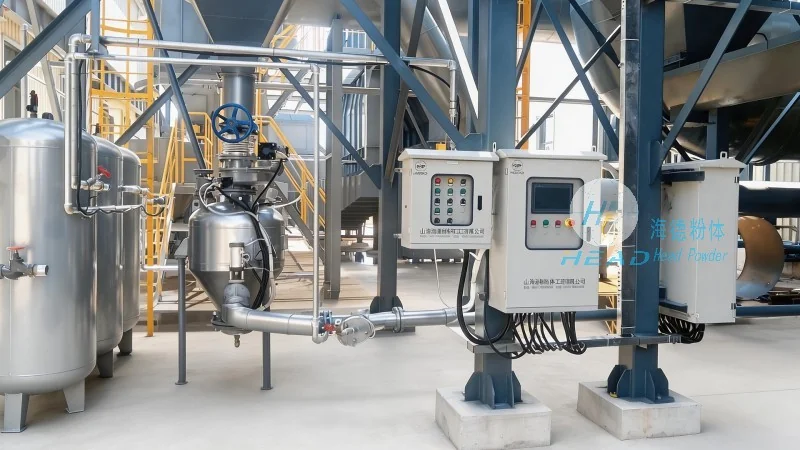
Overview of High-Temperature Fly Ash Conveying
High-temperature fly ash, also known as flue gas desulfurization (FGD) sludge or bottom ash, is a byproduct of combustion processes. It is typically hot, abrasive, and contains moisture, making its handling and transportation challenging. Effective conveying systems must be designed to withstand high temperatures, resist corrosion, and ensure minimal material loss. The choice of conveying method depends on factors such as ash characteristics, distance, temperature, and available space.
Common High-Temperature Fly Ash Conveying Methods
Several methods are widely used for high-temperature fly ash transportation. Each method has unique characteristics that make it suitable for specific applications. The primary methods include pneumatic conveying, screw conveyors, and pipeline systems. Below is a detailed comparison of these approaches.
Pneumatic Conveying Systems
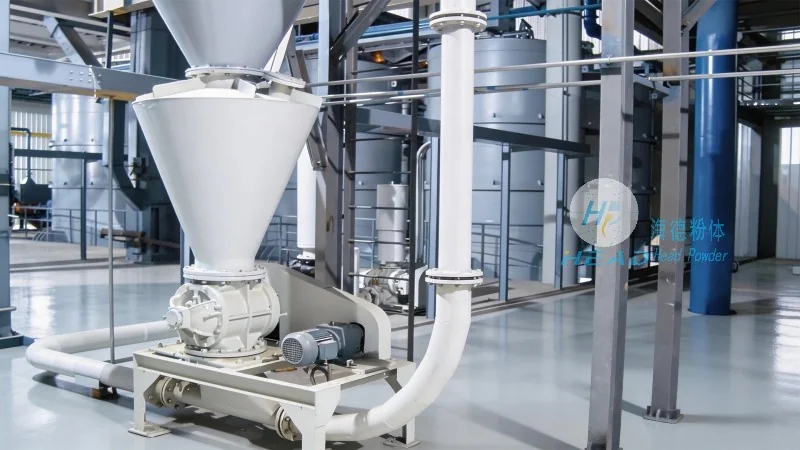
Pneumatic conveying uses air or other gases to transport materials through a pipeline. This method is particularly effective for high-temperature fly ash due to its ability to handle abrasive and hot materials. There are two main types of pneumatic conveying: pressure and vacuum systems.
Pressure pneumatic conveying operates by blowing air or gas into the material, creating a high-pressure environment that propels the ash through the pipeline. This method is suitable for long-distance transport and can handle large volumes of ash. However, it requires high-pressure air compressors and may experience pressure drops over long distances, potentially leading to material deposition.
Vacuum pneumatic conveying, on the other hand, uses a vacuum pump to draw the ash into the pipeline. This method is ideal for short to medium distances and is less affected by pressure drops. It is often used in applications where the ash needs to be collected from multiple points. The main drawback is that it may not be as efficient for very long distances or high-volume transport.
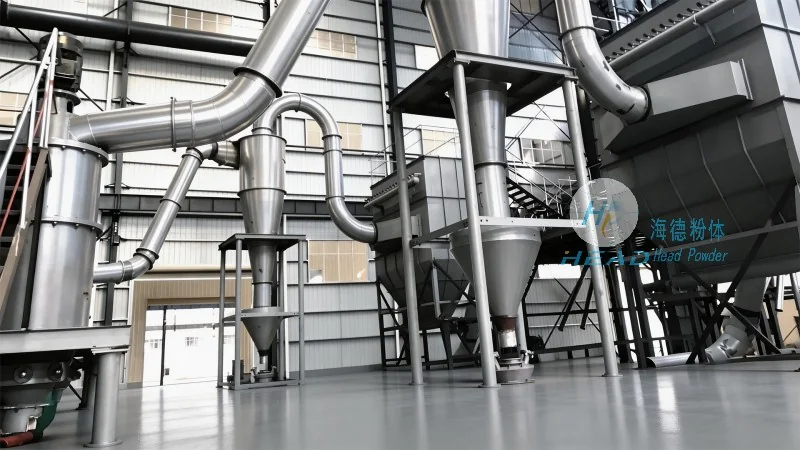
Advantages of pneumatic conveying include its ability to handle abrasive and hot materials, minimal material degradation, and the ability to transport ash over long distances. However, it requires significant energy input and may be less cost-effective for short distances. Additionally, the system must be well-maintained to prevent leaks and ensure consistent performance.
Screw Conveyors
Screw conveyors, also known as auger conveyors, use a rotating screw to move materials through a trough or tube. This method is commonly used for high-temperature fly ash due to its simplicity and reliability. Screw conveyors are particularly effective for short to medium distances and can handle a wide range of ash types.
For high-temperature applications, screw conveyors are often equipped with heat-resistant materials, such as stainless steel or special alloys, to withstand the high temperatures. The screw design can be customized to handle abrasive and sticky ash, ensuring efficient transport. Screw conveyors are generally low-cost and easy to install, making them a popular choice for many industrial facilities.
However, screw conveyors have limitations when dealing with very hot or abrasive materials. The screw and trough can experience wear and tear, leading to increased maintenance costs. Additionally, they are not suitable for long-distance transport as the material may degrade or the system may become inefficient over time.
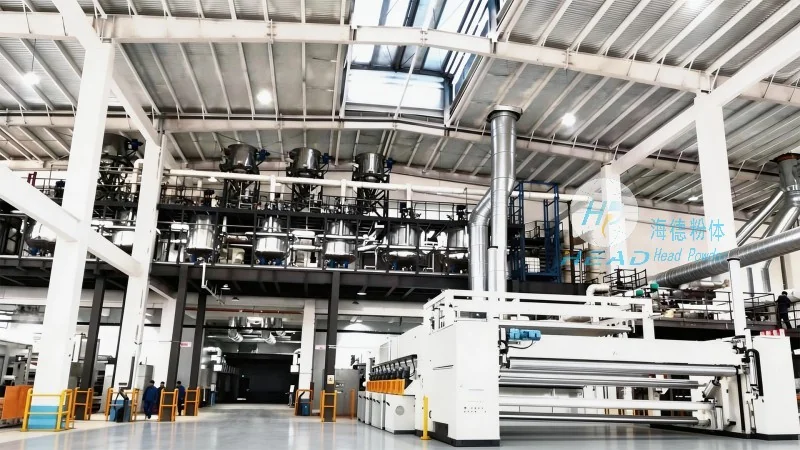
Advantages of screw conveyors include their low initial cost, simplicity, and ability to handle a variety of ash types. They are also relatively easy to maintain and can be installed in tight spaces. The main disadvantages are the limited distance capability and potential for material degradation in high-temperature conditions.
Pipeline Systems
Pipeline systems, also known as slurry pipelines or ash slurry pipelines, use a closed pipeline to transport ash mixed with water. This method is particularly effective for high-temperature fly ash that is mixed with water to form a slurry. The slurry is pumped through the pipeline using centrifugal pumps or positive displacement pumps.
For high-temperature applications, the pipeline and pumps must be designed to withstand the high temperatures and abrasive nature of the ash. The system is often equipped with heat exchangers or insulation to maintain the temperature and prevent corrosion. Pipeline systems are suitable for long-distance transport and can handle large volumes of ash.
Advantages of pipeline systems include their ability to transport ash over long distances, handle large volumes, and maintain a consistent flow rate. They are also relatively low-maintenance once installed. However, the system requires significant infrastructure, including pipelines and pumps, which can be expensive to install and maintain. Additionally, the ash may settle in the pipeline if not properly mixed or pumped.

 Shandong Headpowder Engineering Co., Ltd.
 156-6277-7102(Quản lý Trương)
  0531-83386006
  Thành phố Tế Nam, Tỉnh Sơn Đông, Trung Quốc
Điện thoại
WeChatTư vấn
Lên đầu