Với hơn 10 năm kinh nghiệm về vận chuyển khí nén, Headpowder Sơn Đông cung cấp hệ thống, thiết bị và quạt gió toàn chuỗi, đảm nhận các dự án kỹ thuật bột trọn gói trên toàn quốc.
When it comes to handling and transporting buckwheat hulls in industrial settings, selecting the right conveying method is crucial for efficiency, cost-effectiveness, and operational safety. Buckwheat hulls, with their unique physical properties such as light weight and irregular shapes, present specific challenges that traditional bulk material handling systems may not fully address. This article provides a detailed comparison of common buckwheat hull conveying methods, highlighting the advantages and limitations of each approach, and introduces solutions from Shandong HeadPowder Engineering Co., Ltd., a leading provider in the field.
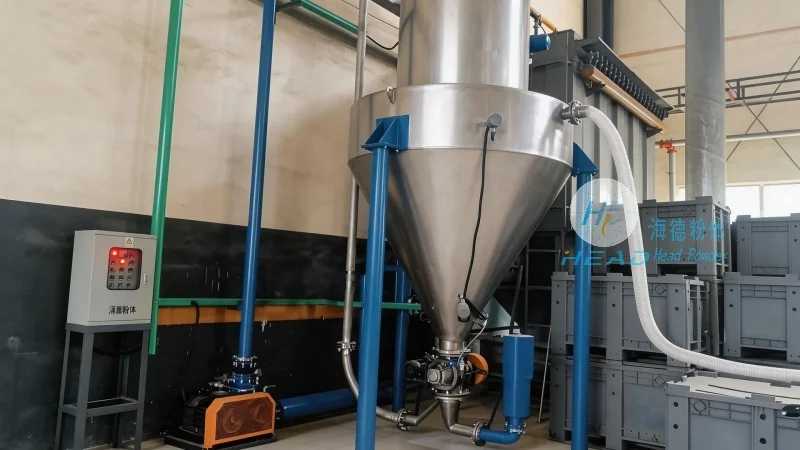
Overview of Key Conveying Methods for Buckwheat Hulls
Several primary methods are widely used for transporting buckwheat hulls, each with distinct characteristics suited to different production environments and operational requirements. The most common approaches include mechanical conveyors, pneumatic (air) conveying systems, and gravity-based systems. Each method has its own set of benefits and drawbacks, which are essential to consider when designing a conveying system for buckwheat processing facilities.
1. Mechanical Conveyors: Traditional Solutions for Bulk Handling
Mechanical conveyors, such as belt conveyors, screw conveyors, and chain conveyors, are among the most conventional methods for transporting buckwheat hulls. These systems rely on mechanical components to move material from one point to another. Belt conveyors, for instance, use a continuous belt to carry hulls over a series of rollers or idlers, making them suitable for horizontal or slight incline applications. Screw conveyors, on the other hand, utilize a rotating screw to push material forward, which is effective for vertical or inclined transport but may cause more friction and wear on the hulls.
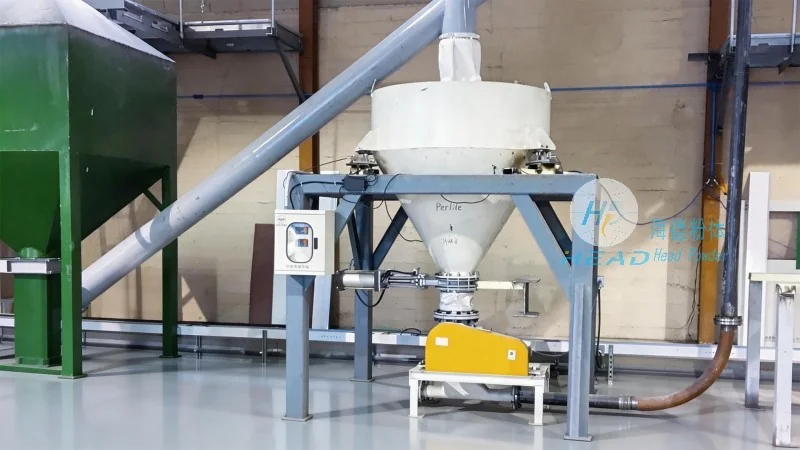
One of the primary advantages of mechanical conveyors is their simplicity and reliability. They are generally low-maintenance and can handle large volumes of material with minimal energy consumption. However, they may not be ideal for handling the light and irregular nature of buckwheat hulls, as the material can easily become airborne or cause blockages in the conveyor system. Additionally, mechanical conveyors may generate dust and require regular cleaning to prevent clogging, which can impact air quality and worker safety.
2. Pneumatic Conveying Systems: Efficient Air-Based Transport
Pneumatic conveying systems use air pressure to transport buckwheat hulls through a network of pipes. This method is particularly effective for handling fine or light materials like buckwheat hulls, as it minimizes the risk of material degradation and blockages. There are two main types of pneumatic conveying: positive displacement and pressure-assisted systems. Positive displacement systems, such as rotary lobe blowers, generate high pressure to push material through the pipe, while pressure-assisted systems use a combination of vacuum and pressure to draw material from the source and push it to the destination.
A key benefit of pneumatic conveying is its ability to transport hulls over long distances and through vertical lifts without the need for multiple transfer points. This can significantly reduce the footprint of the conveying system and improve overall operational efficiency. However, pneumatic systems require more energy compared to mechanical conveyors and may be more complex to install and maintain. They also need proper air filtration to manage dust emissions and prevent system contamination.
3. Gravity Conveying: Cost-Effective and Low-Energy Solutions
Gravity conveying systems utilize the natural force of gravity to move buckwheat hulls from higher to lower elevations. These systems typically consist of chutes or sloped channels that allow the material to flow down under its own weight. This method is highly cost-effective, as it requires no moving parts or external power sources, making it an attractive option for facilities with limited budgets or where energy efficiency is a priority.
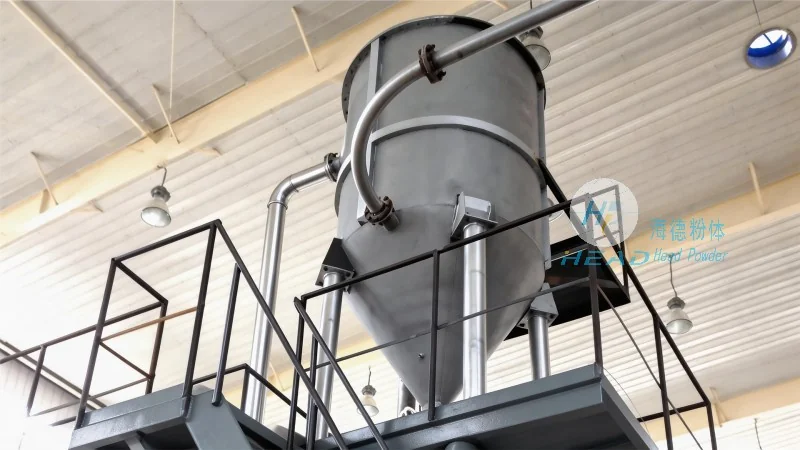
Gravity conveying is particularly well-suited for short horizontal or inclined distances, such as moving hulls from a storage bin to a processing machine. It is also gentle on the material, reducing the risk of breakage or damage to the hulls. However, this method is limited by the need for a suitable slope and may not be feasible for long vertical drops or complex layouts. Additionally, gravity systems may not be able to handle large volumes of material or require additional equipment, such as feeders, to maintain a consistent flow.
4. Hybrid Conveying Systems: Combining the Best of Multiple Methods
Many modern buckwheat hull processing facilities employ hybrid conveying systems that combine elements of mechanical, pneumatic, and gravity methods to achieve optimal performance. For example, a system might use a gravity chute to transport hulls from a storage bin to a pneumatic conveyor, which then moves the material to a processing unit. This approach allows for the benefits of each method to be leveraged while mitigating their individual limitations. Hybrid systems are often more flexible and adaptable to changing production needs, making them a popular choice for dynamic industrial environments.
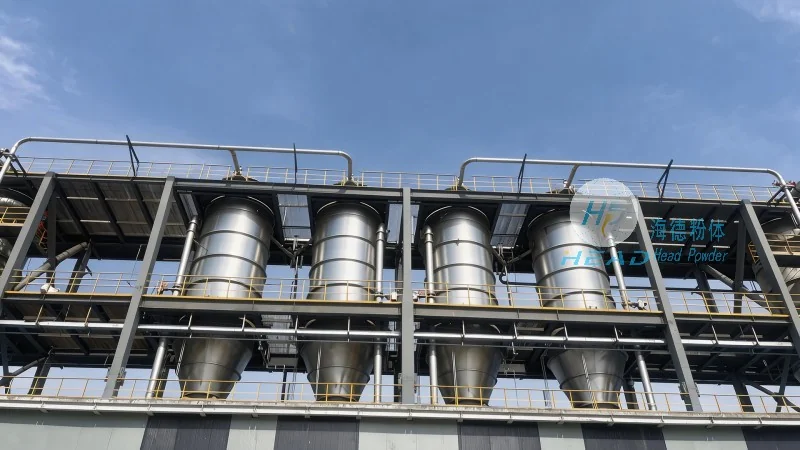
Shandong HeadPowder Engineering Co., Ltd.: Customized Conveying Solutions
Shandong HeadPowder Engineering Co., Ltd., based in China, specializes in designing and manufacturing customized conveying systems tailored to the unique needs of buckwheat hull processing industries. The company leverages advanced engineering and material handling expertise to develop solutions that address the specific challenges of handling light, irregular materials like buckwheat hulls. HeadPowder's solutions often incorporate a combination of mechanical and pneumatic components, ensuring efficient and reliable transport while minimizing operational costs and maintenance requirements.
The company's team of engineers works closely with clients to assess their production processes, material characteristics, and operational goals, then designs a conveying system that maximizes efficiency and safety. Whether it's a simple gravity chute or a complex hybrid pneumatic-mechanical system, HeadPowder provides comprehensive support from design and installation to ongoing maintenance and troubleshooting. By partnering with HeadPowder, buckwheat processing facilities can enhance their operational performance and achieve greater productivity.
Conclusion: Choosing the Right Conveying Method for Buckwheat Hulls
Selecting the appropriate buckwheat hull conveying method requires careful consideration of several factors, including material properties, distance and elevation changes, production volume, and budget constraints. Mechanical conveyors offer simplicity and reliability but may struggle with light materials. Pneumatic systems provide efficient long-distance transport but require more energy. Gravity systems are cost-effective and gentle on the material but have limitations in distance and layout. Hybrid systems offer flexibility by combining the best features of multiple methods.
Ultimately, the choice of conveying method depends on the specific requirements of the buckwheat processing facility. By understanding the advantages and limitations of each approach and consulting with experts like Shandong HeadPowder Engineering Co., Ltd., facilities can select a conveying system that optimizes performance, reduces costs, and ensures safe and efficient operation. Whether it's a small-scale operation or a large industrial facility, the right conveying method can significantly impact the overall success of buckwheat hull processing.

 Shandong Headpowder Engineering Co., Ltd.
 156-6277-7102(Quản lý Trương)
  0531-83386006
  Thành phố Tế Nam, Tỉnh Sơn Đông, Trung Quốc
Điện thoại
WeChatTư vấn
Lên đầu