Với hơn 10 năm kinh nghiệm về vận chuyển khí nén, Headpowder Sơn Đông cung cấp hệ thống, thiết bị và quạt gió toàn chuỗi, đảm nhận các dự án kỹ thuật bột trọn gói trên toàn quốc.
When it comes to handling and transporting sulfur tablets in industrial settings, selecting the right conveying method is crucial for efficiency, safety, and cost-effectiveness. Various technologies are available, each with distinct advantages and limitations. This article provides a detailed comparison of common sulfur tablet conveying methods, helping industrial operators make informed decisions tailored to their specific needs.
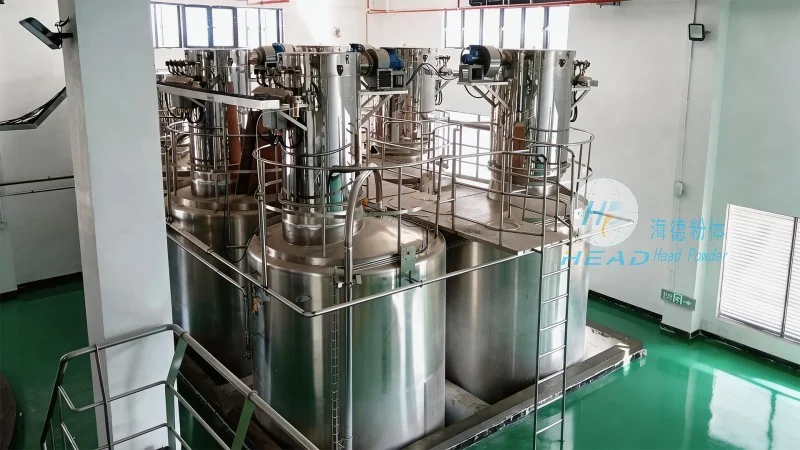
Overview of Sulfur Tablet Conveying Methods
Sulfur tablets are widely used in industries such as agriculture, pharmaceuticals, and chemical processing. Their handling requires careful consideration due to their potential to cause dust, require controlled environments, and demand reliable transport systems. The primary goal of conveying systems is to move these tablets from storage to processing equipment without compromising quality or safety. Below, we explore several common methods and their characteristics.
1. Screw Conveyors for Sulfur Tablets
Screw conveyors, also known as auger conveyors, are among the most common solutions for transporting sulfur tablets. These systems utilize a rotating helical screw within a trough to move material forward. For sulfur tablets, screw conveyors offer several benefits. They are compact, easy to install, and can handle a wide range of particle sizes and moisture levels. The enclosed design helps contain dust and prevent contamination, which is critical when dealing with sulfur products. Additionally, screw conveyors can operate at various angles, making them suitable for vertical or inclined transport. However, they may not be ideal for very large or irregularly shaped tablets, as the screw may cause abrasion or damage. The material of construction, typically stainless steel or corrosion-resistant alloys, is essential to prevent sulfuric acid corrosion from forming on the tablets.
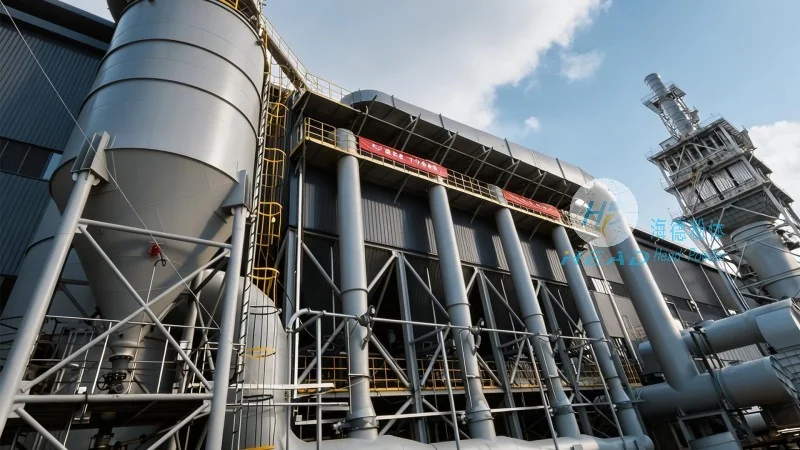
2. Belt Conveyors for Sulfur Tablet Transport
Belt conveyors are another popular choice for sulfur tablet conveying, especially in applications requiring long-distance transport or high throughput. These systems consist of a continuous belt looped over rollers, with the tablets placed on the belt surface. Belt conveyors excel in handling large volumes of material and can be easily integrated into existing production lines. They are relatively low-maintenance and can operate at high speeds, making them suitable for continuous production environments. The key advantage of belt conveyors is their ability to transport tablets over long distances without significant energy loss. However, they require proper alignment and tensioning to prevent slippage or material spillage. The belt material must be chosen carefully to avoid chemical reactions with sulfur, and the system must be equipped with dust suppression measures to comply with environmental regulations.
3. Pneumatic Conveying Systems for Sulfur Tablets
Pneumatic conveying systems use air or other gases to transport sulfur tablets through a pipeline. These systems are ideal for applications where dust control is paramount or where the tablets need to be moved through tight spaces. There are two main types of pneumatic conveyors: pressure and vacuum. Pressure systems push the material forward using compressed air, while vacuum systems pull it through the pipe. Pneumatic conveying offers high flexibility, as the system can be reconfigured to change the transport path. It also allows for enclosed transport, reducing exposure to the environment and improving safety. However, these systems require more energy than mechanical conveyors and may experience pressure drops over long distances. The choice between pressure and vacuum depends on the distance and the nature of the tablets, with pressure systems generally better suited for longer distances.
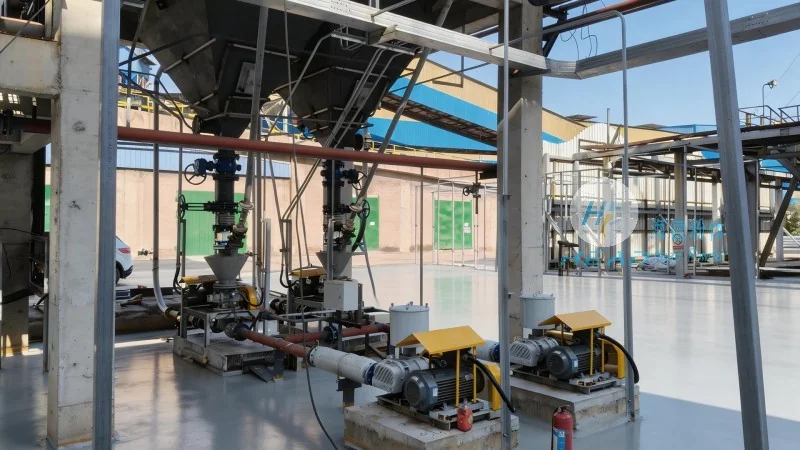
4. Bucket Elevators for Vertical Sulfur Tablet Transport
For vertical transport of sulfur tablets, bucket elevators are a reliable option. These systems consist of a series of buckets attached to a chain or belt, which moves the tablets upward in a vertical shaft. Bucket elevators are particularly effective when the tablets need to be lifted to a higher level, such as from a storage silo to a processing unit. They offer high capacity and can handle a variety of materials, including sulfur tablets. The enclosed design prevents dust from escaping and protects the tablets from external contaminants. However, bucket elevators have a higher initial cost compared to other systems and may require more maintenance due to the moving parts. The buckets must be designed to grip the tablets securely without causing damage, and the system must be equipped with safety features to prevent accidental release of material.
Shandong HeadPowder Engineering Co., Ltd. - Your Partner in Sulfur Tablet Conveying Solutions
At Shandong HeadPowder Engineering Co., Ltd., we specialize in providing tailored conveying solutions for sulfur tablets and other industrial materials. With years of experience in the field, our team understands the unique challenges of handling sulfur products and offers innovative, efficient systems to meet your needs. Our solutions are designed to enhance productivity, ensure safety, and reduce operational costs. We work closely with clients to assess their specific requirements, from material characteristics to production scale, and develop customized conveying systems that deliver optimal performance. Whether you need a screw conveyor for small-scale operations or a pneumatic system for large-scale industrial use, HeadPowder provides reliable, high-quality equipment backed by expert technical support. Our commitment to quality and customer satisfaction has made us a trusted name in the industry, serving clients across China and beyond. Contact us today to learn more about how our conveying solutions can improve your sulfur tablet handling processes.

 Shandong Headpowder Engineering Co., Ltd.
 156-6277-7102(Quản lý Trương)
  0531-83386006
  Thành phố Tế Nam, Tỉnh Sơn Đông, Trung Quốc
Điện thoại
WeChatTư vấn
Lên đầu