Với hơn 10 năm kinh nghiệm về vận chuyển khí nén, Headpowder Sơn Đông cung cấp hệ thống, thiết bị và quạt gió toàn chuỗi, đảm nhận các dự án kỹ thuật bột trọn gói trên toàn quốc.
When it comes to handling sodium carbonate, selecting the right transportation method is crucial for efficiency, safety, and cost-effectiveness. As a leading supplier in the industry, Shandong HeadPowder Engineering Co., Ltd. (commonly known as HeadPowder), based in Shandong, China, understands the importance of choosing the most suitable delivery approach for various applications. This article provides a detailed comparison of common sodium carbonate transportation methods, helping businesses make informed decisions based on their specific needs.
Overview of Sodium Carbonate Transportation Methods
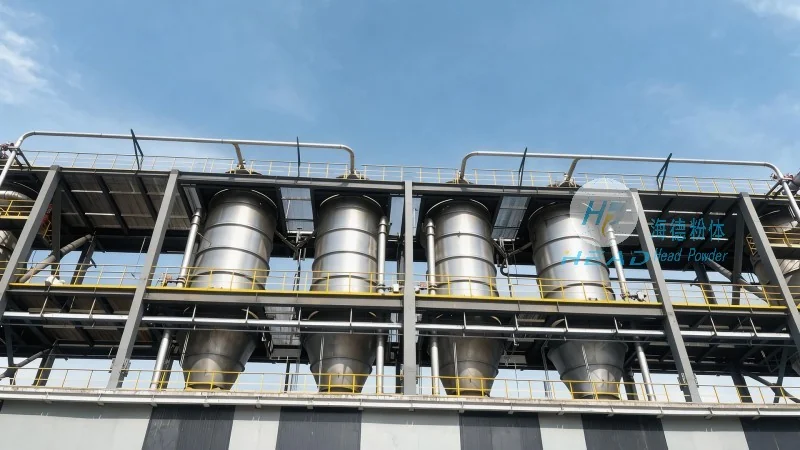
Sodium carbonate, also known as soda ash, is widely used in industries such as glass manufacturing, water treatment, and chemical production. The choice of transportation method depends on factors like the quantity of the material, the distance of delivery, and the end-use requirements. Common methods include bulk transport via pipelines, trucks, or rail, as well as packaged delivery in containers or bags. Each method has its advantages and limitations, which are discussed below.
Bulk Transportation via Pipelines
For large-scale industrial applications, pipeline transportation is an efficient and cost-effective option. This method involves pumping sodium carbonate slurry or solution through a network of pipes. HeadPowder, with its expertise in chemical processing, can assist in designing and implementing pipeline systems tailored to client specifications. The benefits of pipeline transport include reduced labor costs, minimized handling risks, and the ability to maintain consistent flow rates. However, it requires significant infrastructure investment and is limited to locations with existing pipeline networks.
Truck Transportation
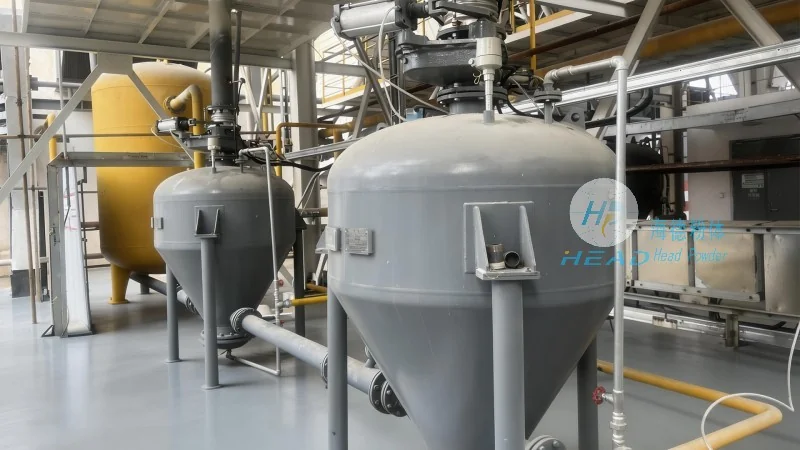
Truck delivery is the most common method for transporting sodium carbonate, especially for medium to small quantities and shorter distances. HeadPowder offers reliable trucking services to ensure timely and safe delivery of bulk or packaged products. Trucks can carry large volumes, making them suitable for distribution centers and industrial sites. The advantages include flexibility in route planning and the ability to reach remote locations. Nevertheless, truck transport is subject to traffic conditions and may incur higher fuel costs compared to other methods. Additionally, proper loading and unloading procedures are essential to prevent spills and ensure compliance with safety regulations.
Railway Transportation
For long-distance and high-volume shipments, railway transport is a viable option. HeadPowder collaborates with logistics partners to arrange railcars for bulk sodium carbonate. This method is particularly advantageous for companies located near railway lines, as it reduces transportation time and costs. The benefits include lower per-unit costs for large quantities and the ability to transport multiple containers at once. However, railway transport may have longer lead times and limited access to certain areas, requiring additional handling at rail terminals.
Packaged Delivery
For smaller quantities or applications requiring more control over the material, packaged delivery is preferred. HeadPowder provides sodium carbonate in various packaging options, including multi-wall paper bags, fiber drums, and plastic containers. These packages are designed to protect the product from moisture and contamination during transit. The advantages of packaged delivery include easier handling, reduced risk of dust exposure, and compatibility with existing storage facilities. However, it is less cost-effective for large-scale operations due to higher packaging and handling costs.
Factors to Consider When Choosing a Transportation Method
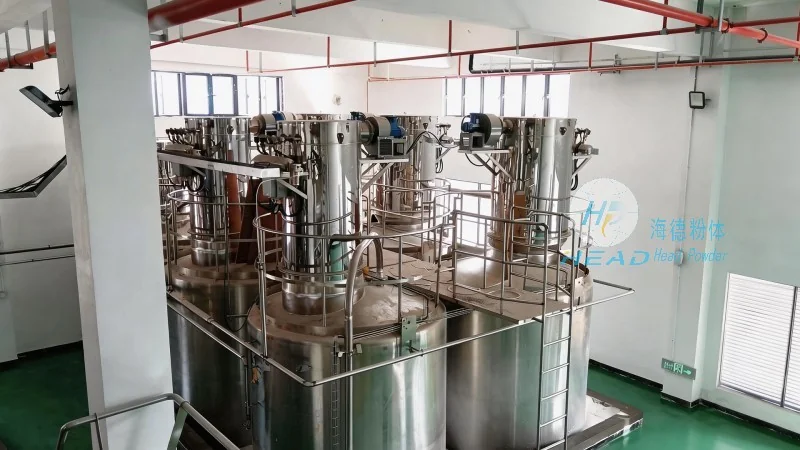
When selecting a sodium carbonate transportation method, several factors must be evaluated. The first is the quantity of the material: bulk methods are ideal for large volumes, while packaged delivery is better for smaller orders. The second is the distance of delivery: truck and rail are suitable for long distances, whereas pipeline is limited to shorter distances with existing infrastructure. Third, the end-use requirements play a role: for example, if the material is used in a process that requires a consistent flow, pipeline transport is more appropriate. Finally, cost considerations are critical: while pipeline transport may have lower operational costs, the initial investment is higher. HeadPowder can provide customized solutions by assessing these factors and recommending the most suitable method for each client.
Conclusion
Choosing the right sodium carbonate transportation method is essential for optimizing operations and ensuring product quality. Shandong HeadPowder Engineering Co., Ltd. offers a range of transportation options, from bulk pipeline and truck delivery to packaged solutions, catering to diverse industrial needs. By understanding the advantages and limitations of each method, businesses can make informed decisions that enhance efficiency, reduce costs, and improve safety. HeadPowder's expertise in chemical logistics ensures reliable and efficient delivery of sodium carbonate, supporting clients in achieving their operational goals.

 Shandong Headpowder Engineering Co., Ltd.
 156-6277-7102(Quản lý Trương)
  0531-83386006
  Thành phố Tế Nam, Tỉnh Sơn Đông, Trung Quốc
Điện thoại
WeChatTư vấn
Lên đầu