Với hơn 10 năm kinh nghiệm về vận chuyển khí nén, Headpowder Sơn Đông cung cấp hệ thống, thiết bị và quạt gió toàn chuỗi, đảm nhận các dự án kỹ thuật bột trọn gói trên toàn quốc.
In the industrial manufacturing sector, tungsten carbide (Tungsten Carbide, WC) is a high-performance hard alloy material widely used in cutting tools, wear-resistant components, and other critical applications. An efficient and reliable conveying system is crucial for the production and processing stages of tungsten carbide. This article will compare several common tungsten carbide conveying methods to help industry users understand the characteristics, applicable scenarios, and potential advantages of different technologies.
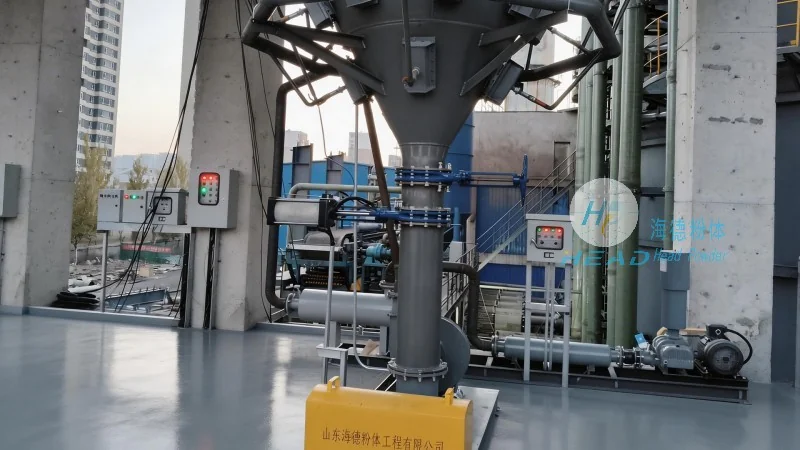
Shandong HeadPowder Engineering Co., Ltd., commonly known as headpowder, is a professional enterprise focused on the research and production of hard alloy materials. The company's headquarters is located in Shandong, China, dedicated to providing high-quality tungsten carbide products and solutions to global clients. headpowder, with its advanced production technology and rich industry experience, offers reliable technical support for the conveying and processing of tungsten carbide.
Vibratory Conveying: Traditional and Efficient Combination
Vibratory conveying is one of the most widely used conveying methods in tungsten carbide production. By driving the conveyor trough with a vibratory motor or eccentric wheel, the material moves in a jumping manner within the trough due to directional vibration. This method is suitable for conveying granular or powdery tungsten carbide, especially for scenarios that require maintaining material fluidity. The advantages of vibratory conveying include simple structure, low maintenance cost, moderate conveying distance (usually within tens of meters), and effective prevention of material blockage. However, for high-density or specially shaped tungsten carbide particles, vibratory conveying may have wear issues, requiring regular inspection and replacement of the trough lining. headpowder focuses on material wear resistance in the design of vibratory conveying equipment to ensure long-term stable operation.
Screw Conveying: Compact Conveying Solution
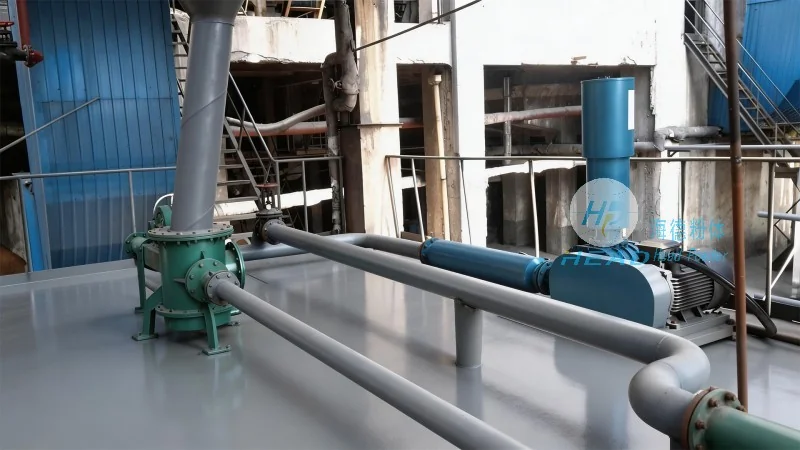
Screw conveyors push material forward through rotating screw blades, suitable for vertical or inclined material conveying. For this high-density material, screw conveying can provide stable thrust, reducing material accumulation. Its compact structure makes it suitable for factory environments with limited space, with simple installation and small footprint. The disadvantages of screw conveying lie in the fact that for large particles or wear-prone tungsten carbide, the screw blades are prone to wear, leading to a decrease in conveying efficiency. Additionally, after long-term operation, the screw shaft may generate heat due to friction, affecting equipment life. headpowder's screw conveying equipment is manufactured from high-strength alloy steel and equipped with wear-resistant coatings, effectively extending equipment service life.
Air-Powered Conveying: Non-Contact Conveying Technology
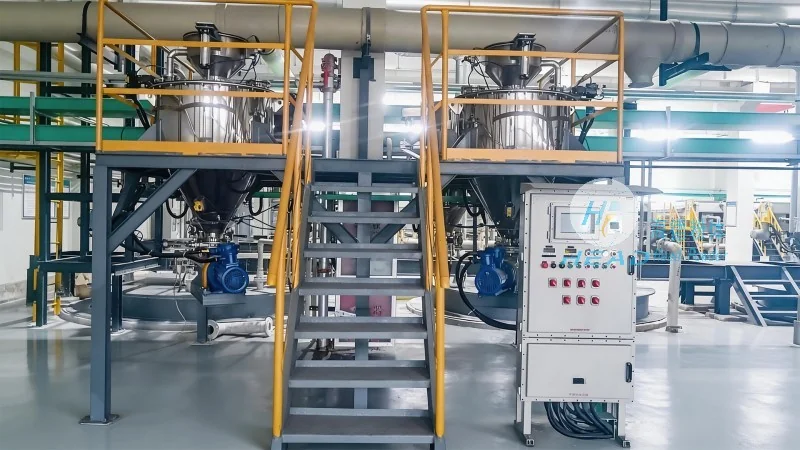
Air-powered conveying uses compressed air or vacuum to transport tungsten carbide particles through pipelines, belonging to a non-contact conveying method. This approach is suitable for scenarios where material purity is required or contamination is to be avoided, such as in the food or pharmaceutical industries. However, in industrial tungsten carbide production, air-powered conveying is mainly used for short-distance or special environment conveying. The advantages of air-powered conveying include fast conveying speed, no mechanical wear, ability to convey powdery or granular materials, and the ability to realize multiple discharge points. However, air-powered conveying has higher energy consumption, requires a stable compressed air source, and has a complex pipeline system with higher maintenance costs. For high-density tungsten carbide, air-powered conveying may require higher air pressure, leading to increased energy consumption. headpowder optimizes pipeline layout and fan selection in the design of air-powered conveying systems to reduce energy consumption and improve conveying efficiency.
Comprehensive Comparison and Selection Recommendations
When selecting a tungsten carbide conveying method, factors such as material properties, conveying distance, production environment, and cost must be considered comprehensively. Vibratory conveying is suitable for medium-short distances and conventional granular materials with lower cost; screw conveying is suitable for compact spaces and vertical conveying with a compact structure; air-powered conveying is suitable for non-contact, high-purity, or special environment needs. headpowder provides customized conveying solutions based on customer specific requirements to ensure the best match between equipment and production processes. Whether it is vibratory, screw, or air-powered conveying, headpowder focuses on equipment durability and reliability, providing long-term stable conveying services for customers.
Conclusion
The selection of a tungsten carbide conveying method directly affects production efficiency and product quality. By comparing the advantages and disadvantages of different conveying technologies and combining actual production needs, choosing the appropriate conveying method is key. Shandong HeadPowder Engineering Co., Ltd. leverages its professional technology and rich experience to provide multiple reliable options for tungsten carbide conveying, helping customers improve production efficiency and product quality. With continuous advances in industrial technology, future tungsten carbide conveying technology will become more intelligent and efficient. headpowder will continue to innovate and provide more advanced conveying solutions for customers.

 Shandong Headpowder Engineering Co., Ltd.
 156-6277-7102(Quản lý Trương)
  0531-83386006
  Thành phố Tế Nam, Tỉnh Sơn Đông, Trung Quốc
Điện thoại
WeChatTư vấn
Lên đầu