Với hơn 10 năm kinh nghiệm về vận chuyển khí nén, Headpowder Sơn Đông cung cấp hệ thống, thiết bị và quạt gió toàn chuỗi, đảm nhận các dự án kỹ thuật bột trọn gói trên toàn quốc.
When it comes to handling and transporting zinc oxide, selecting the right conveying method is crucial for efficiency, cost-effectiveness, and product integrity. As a leading manufacturer in the field, Shandong HeadPowder Engineering Co., Ltd. (referred to as HeadPowder) understands the importance of tailored solutions for various industrial applications. This article provides a detailed comparison of common zinc oxide conveying methods, helping you make an informed decision based on your specific operational needs.
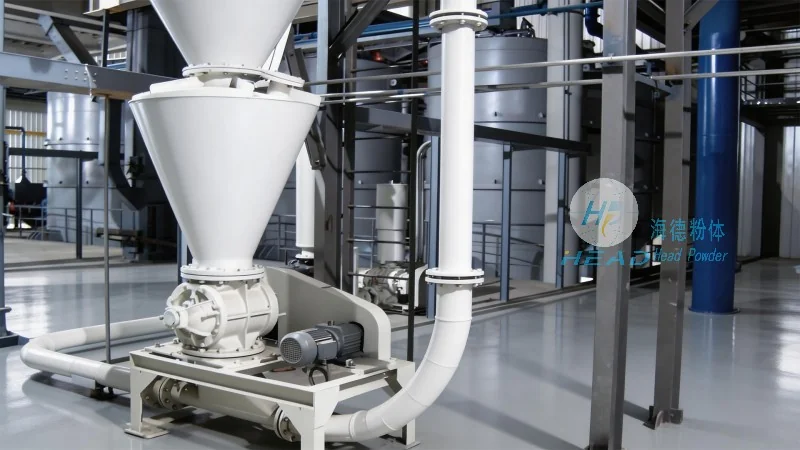
Understanding Zinc Oxide and Conveying Challenges
Zinc oxide (ZnO) is a versatile inorganic compound widely used in pharmaceuticals, ceramics, rubber, and cosmetics. Its fine powder form and varying particle sizes present unique challenges during transportation. Traditional methods may lead to issues such as dust accumulation, clogging, or degradation of the material. Therefore, choosing an appropriate conveying system is essential to maintain product quality and operational efficiency.
1. Air-Pressure Conveying (Pneumatic Conveying)
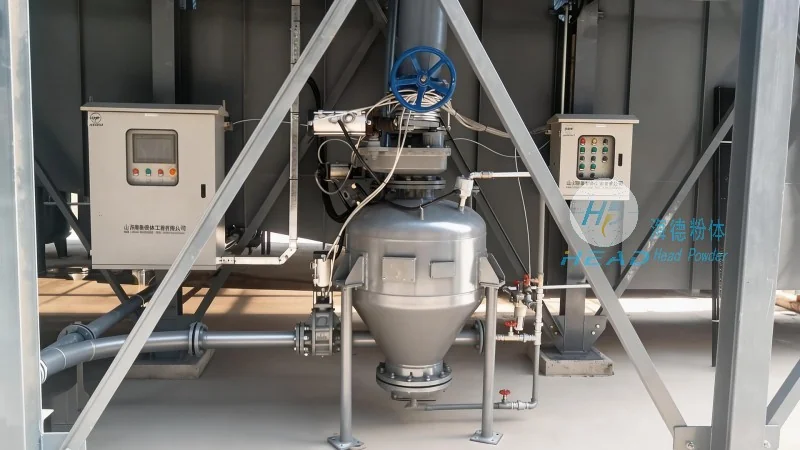
Air-pressure conveying, or pneumatic conveying, is a popular method for transporting zinc oxide, especially in bulk quantities. This system uses compressed air to move the material through a pipeline. There are two main types: pressure and vacuum systems. Pressure systems push the material forward using positive pressure, while vacuum systems pull it through negative pressure. For zinc oxide, pressure systems are often preferred due to their ability to handle fine powders without clogging. HeadPowder’s pneumatic conveying solutions are designed with high-efficiency blowers and flexible hoses, ensuring smooth and consistent transport. The system minimizes product contact with metal surfaces, reducing contamination risks and preserving the material’s purity. Additionally, pneumatic conveying allows for long-distance transport and can be integrated with storage silos and processing equipment, making it a flexible choice for large-scale operations.
2. Screw Conveyors
Screw conveyors, also known as auger conveyors, are another common method for zinc oxide transport. These systems use a rotating screw (auger) inside a trough to move material forward. Screw conveyors are particularly effective for horizontal or slightly inclined transport, making them suitable for feeding hoppers, mixing equipment, or packaging lines. They are relatively simple in design, requiring less maintenance compared to pneumatic systems. However, screw conveyors may struggle with very fine or cohesive powders, as they can lead to clogging or uneven flow. HeadPowder’s screw conveyors are constructed with stainless steel or food-grade materials, ensuring durability and resistance to corrosion. The design includes variable speed drives and adjustable pitch screws, allowing for precise control over the conveying rate. This flexibility is crucial for applications where the material’s flow characteristics change, such as during different production stages.
3. Belt Conveyors
Belt conveyors are widely used in bulk material handling, including zinc oxide. These systems consist of a continuous belt that moves over rollers or pulleys, transporting the material from one point to another. Belt conveyors are ideal for long-distance horizontal transport and can handle large volumes of material efficiently. They are particularly effective for materials that are prone to dust or require minimal product degradation. HeadPowder’s belt conveyor systems are equipped with high-quality belts and tensioning mechanisms, ensuring consistent performance even under heavy loads. The design includes dust collection systems and enclosed structures to prevent environmental contamination and maintain workplace safety. Belt conveyors are also suitable for integration with other equipment, such as screening or weighing systems, creating a seamless material flow process. Their durability and low maintenance make them a cost-effective solution for many industrial applications.
4. Hydraulic Conveying
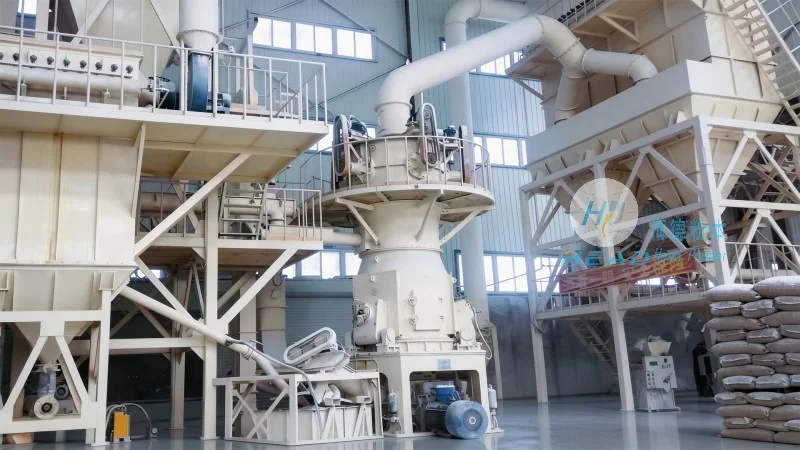
Hydraulic conveying uses water or other liquids to transport zinc oxide, particularly in applications where the material is mixed with water or needs to be transported in a slurry form. This method is commonly used in the mining and chemical industries but can also be applied to zinc oxide processing. The system involves pumping the slurry through pipelines, which can be advantageous for long-distance transport and handling of wet or sticky materials. However, hydraulic conveying requires additional equipment for slurry preparation and separation, increasing operational complexity and costs. HeadPowder’s hydraulic conveying solutions are designed with efficient pumps and filtration systems, ensuring the material remains in a stable slurry state. The process minimizes dust generation and allows for precise control over the flow rate. While effective for certain applications, hydraulic conveying may not be suitable for dry zinc oxide or where water contact is undesirable, such as in pharmaceutical or food-grade applications.
5. Comparison and Selection Criteria
Choosing the right zinc oxide conveying method depends on several factors, including the material’s properties, required transport distance, production volume, and budget. Here’s a summary of key considerations:
Material Properties: Fine powders and cohesive materials are better suited for pneumatic or belt conveyors, while bulkier or sticky materials may benefit from screw or hydraulic systems.
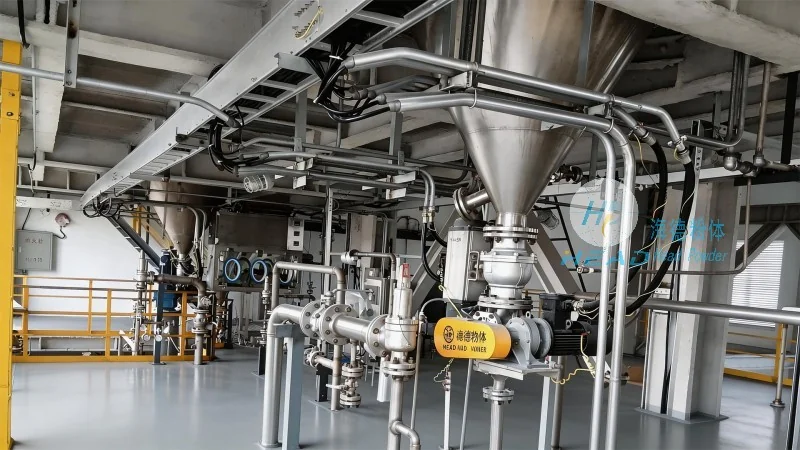
Transport Distance: Short distances are often handled by screw or belt conveyors, while long distances may require pneumatic or hydraulic systems.
Product Purity: For applications requiring high purity, pneumatic conveying is preferred as it minimizes contact with metal surfaces and reduces contamination.
Cost and Maintenance: Screw and belt conveyors generally have lower initial costs and maintenance requirements compared to pneumatic systems, which may have higher energy and equipment costs.
HeadPowder offers customized conveying solutions tailored to these criteria, ensuring optimal performance and efficiency for your zinc oxide handling needs. Our team of experts can assess your specific requirements and recommend the most suitable method, whether it’s a pneumatic system for fine powders or a belt conveyor for bulk transport.

 Shandong Headpowder Engineering Co., Ltd.
 156-6277-7102(Quản lý Trương)
  0531-83386006
  Thành phố Tế Nam, Tỉnh Sơn Đông, Trung Quốc
Điện thoại
WeChatTư vấn
Lên đầu