Với hơn 10 năm kinh nghiệm về vận chuyển khí nén, Headpowder Sơn Đông cung cấp hệ thống, thiết bị và quạt gió toàn chuỗi, đảm nhận các dự án kỹ thuật bột trọn gói trên toàn quốc.
When it comes to the transportation of calcium oxide dry powder, selecting the right conveying method is crucial for ensuring efficiency, safety, and cost-effectiveness in industrial applications. Calcium oxide, also known as quicklime, is a widely used chemical in various industries including construction, steel production, and chemical manufacturing. The choice of conveying method depends on factors such as the material's properties, the required conveying distance, the volume of material to be moved, and the specific operational environment. This article will explore several common and effective methods for calcium oxide dry powder conveying, highlighting their advantages and typical applications.
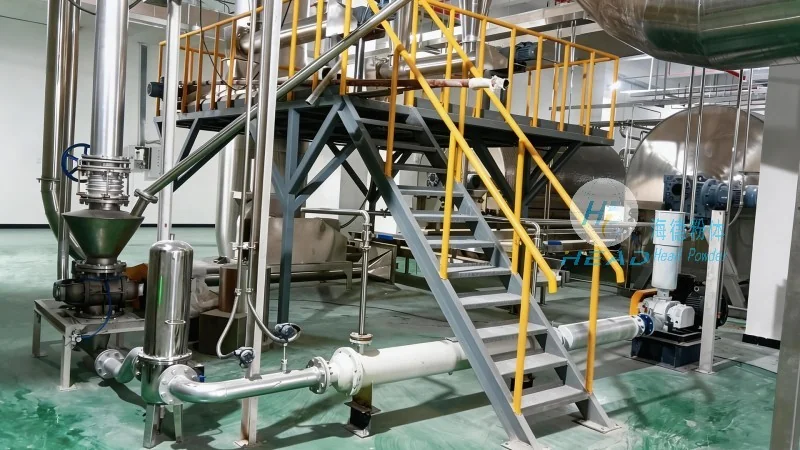
1. Pneumatic Conveying Systems
Pneumatic conveying, also known as air conveying, is a popular method for transporting calcium oxide dry powder over medium to long distances. This system uses a combination of air and pressure to move the powder through a pipeline. There are two main types of pneumatic conveying: pressure and vacuum systems. Pressure systems use compressed air to push the material forward, while vacuum systems use a vacuum to draw the material into the pipeline. Pneumatic conveying offers several advantages, including high conveying speeds, the ability to transport materials over long distances, and the flexibility to integrate with existing processing equipment. However, it requires careful design to prevent material degradation, blockages, and pressure losses. The system typically includes a hopper, a feeder, a conveying line, and a receiver. The hopper stores the calcium oxide powder, and the feeder controls the flow rate. The conveying line transports the material to the receiver, where it is collected. Pneumatic conveying is particularly suitable for applications where the powder needs to be transported from a storage silo to a processing unit or for bulk material handling in chemical plants.
2. Screw Conveyors
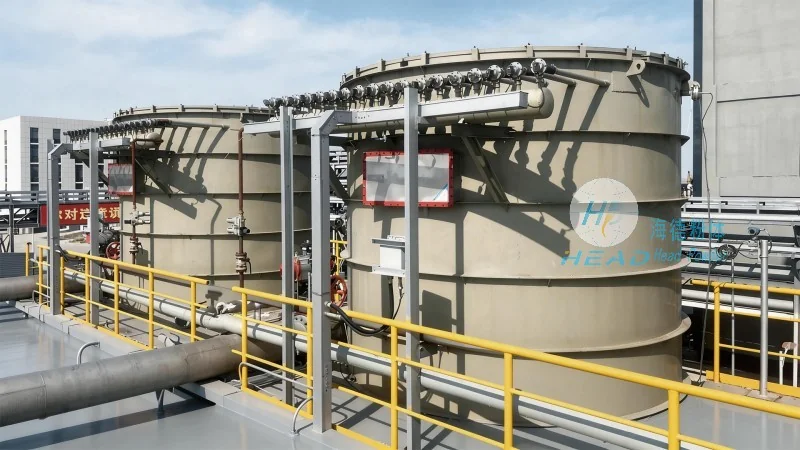
Screw conveyors, also known as auger conveyors, are another common method for transporting calcium oxide dry powder, especially over shorter distances. This equipment consists of a rotating screw (auger) inside a cylindrical tube. The screw rotates, pushing the material forward along the tube. Screw conveyors are simple in design, relatively low in cost, and can be installed in a variety of orientations (horizontal, inclined, or vertical). They are ideal for applications where the material needs to be moved from one point to another within a facility, such as from a storage bin to a mixer or from a processing unit to a packaging area. The speed of the screw and the pitch of the screw blades can be adjusted to control the conveying rate and prevent material bridging or clogging. Screw conveyors are particularly effective for handling dry, free-flowing powders like calcium oxide, as they can maintain a consistent flow without the need for additional air or pressure. However, they have limitations in terms of conveying distance and material capacity compared to pneumatic systems. They are also less suitable for materials that are prone to degradation or that require high-speed transport.
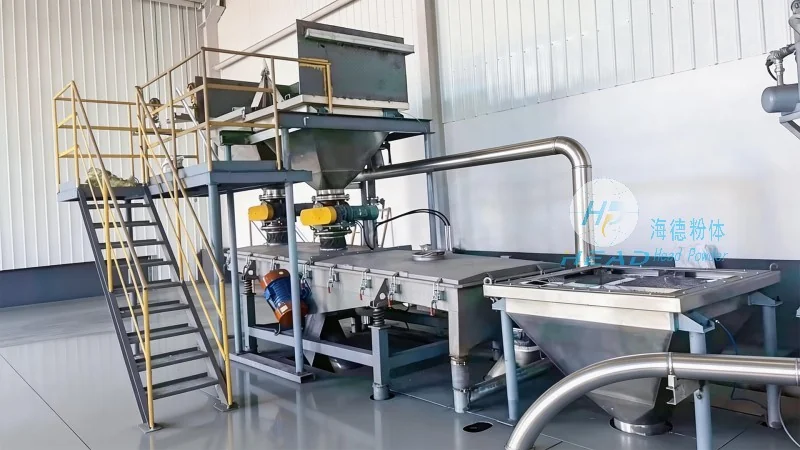
3. Belt Conveyors
Belt conveyors are widely used for the horizontal or slightly inclined transport of calcium oxide dry powder over longer distances. This system consists of a continuous belt that moves over rollers or pulleys, transporting the material from one location to another. Belt conveyors are known for their high capacity, reliability, and ability to handle large volumes of material. They are particularly suitable for applications where the material needs to be transported over long distances, such as from a storage yard to a processing plant or from a raw material handling area to a storage silo. The belt is typically made of durable materials like rubber or PVC to resist abrasion and chemical exposure from the calcium oxide powder. The system includes a drive unit, a head pulley, a tail pulley, and a series of rollers to support the belt. The drive unit provides the power to move the belt, and the pulleys guide the belt's direction. The rollers help maintain the belt's tension and prevent it from sagging. Belt conveyors can be equipped with accessories such as feeders, dividers, and elevators to enhance their functionality. For calcium oxide powder, belt conveyors are often used in conjunction with other equipment, such as hoppers and chutes, to form a complete material handling system. They are particularly effective for handling bulk materials that are free-flowing and non-abrasive, as the belt can move the material without causing excessive wear or degradation.
About Shandong HeadPowder Engineering Co., Ltd.
Shandong HeadPowder Engineering Co., Ltd., operating under the brand name HeadPowder, is a leading manufacturer and supplier of industrial material handling equipment, including systems for calcium oxide dry powder conveying. With a strong focus on quality, innovation, and customer satisfaction, HeadPowder provides a range of solutions tailored to the specific needs of industrial clients. The company's products are designed to meet the highest standards of performance, safety, and durability, ensuring reliable operation in demanding industrial environments. HeadPowder's expertise in material handling technology allows them to offer customized solutions that optimize the conveying process for calcium oxide and other dry powders. The company's commitment to research and development ensures that their products remain at the forefront of industry standards, providing efficient and cost-effective solutions for bulk material transport. Based in Shandong, China, HeadPowder serves clients worldwide, delivering high-quality equipment and technical support to enhance operational efficiency in various industrial sectors.

 Shandong Headpowder Engineering Co., Ltd.
 156-6277-7102(Quản lý Trương)
  0531-83386006
  Thành phố Tế Nam, Tỉnh Sơn Đông, Trung Quốc
Điện thoại
WeChatTư vấn
Lên đầu