Với hơn 10 năm kinh nghiệm về vận chuyển khí nén, Headpowder Sơn Đông cung cấp hệ thống, thiết bị và quạt gió toàn chuỗi, đảm nhận các dự án kỹ thuật bột trọn gói trên toàn quốc.
When it comes to the efficient handling and transportation of sintered ash, selecting the right conveying method is crucial for industrial operations. Sintered ash, a byproduct often generated in metallurgical processes, requires reliable and effective systems to ensure smooth material flow. This article explores the common methods used for sintered ash conveying, highlighting the importance of each approach in maintaining operational efficiency and safety.
Understanding Sintered Ash and Its Conveying Needs
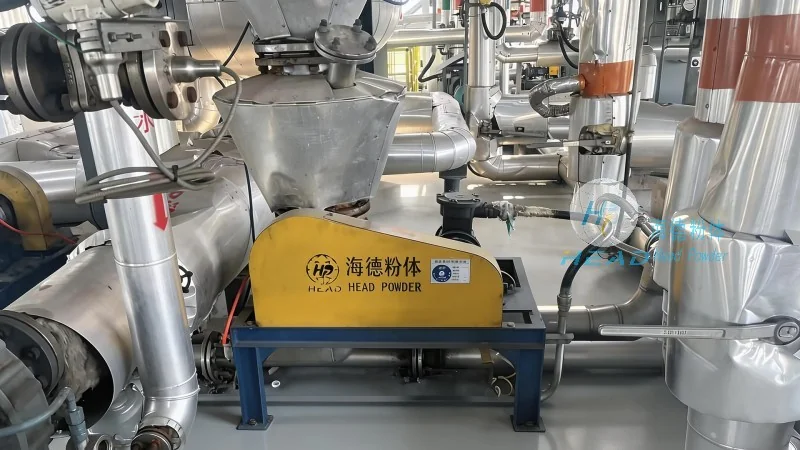
Sintered ash, also known as sintered slag or sintered waste, is a solid material produced during the sintering process, typically in steel or non-ferrous metal production. This material is characterized by its granular or powdery texture, which can pose challenges in transportation due to its density, moisture content, and potential for dust generation. Effective conveying systems must address these characteristics to prevent material degradation, equipment wear, and environmental issues such as dust emissions.
Key Factors Influencing Conveying Method Selection
The choice of a conveying method for sintered ash depends on several critical factors, including the material's physical properties, the distance to be conveyed, the required throughput, and the environmental regulations in the operating region. Each method has its advantages and limitations, making it essential to evaluate these aspects carefully before implementation. Factors such as the ash's moisture level, particle size distribution, and potential for caking also play a significant role in determining the most suitable conveying solution.
Common Conveying Methods for Sintered Ash
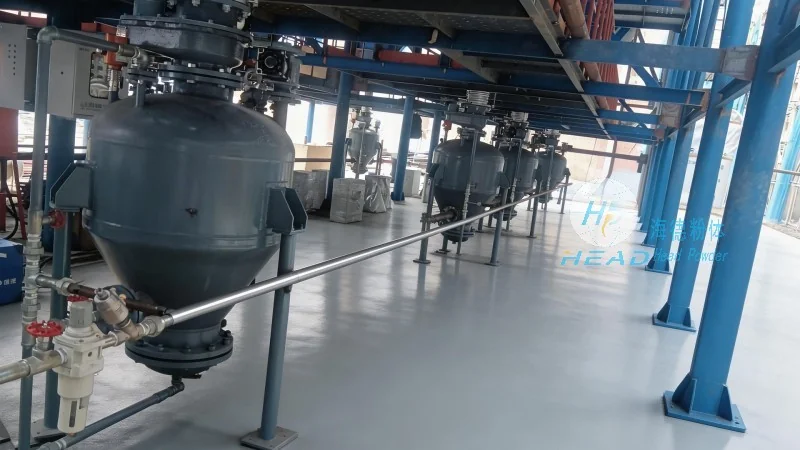
Several common methods are widely used for sintered ash transportation, each tailored to specific operational requirements. The primary methods include pneumatic conveying, belt conveyor systems, and hydraulic or slurry pipelines. Each of these approaches offers unique benefits and is selected based on the specific conditions of the industrial site.
Pneumatic Conveying Systems
Pneumatic conveying, or air-based transport, is a popular method for sintered ash due to its ability to handle fine powders and granular materials efficiently. This system uses compressed air to move the material through a pipeline, often employing positive or negative pressure depending on the application. Pneumatic systems are particularly effective for long-distance conveying and can be designed to minimize dust emissions and material degradation. They are suitable for both dry and slightly moist ash, making them versatile for various industrial settings.
Belt Conveyor Systems
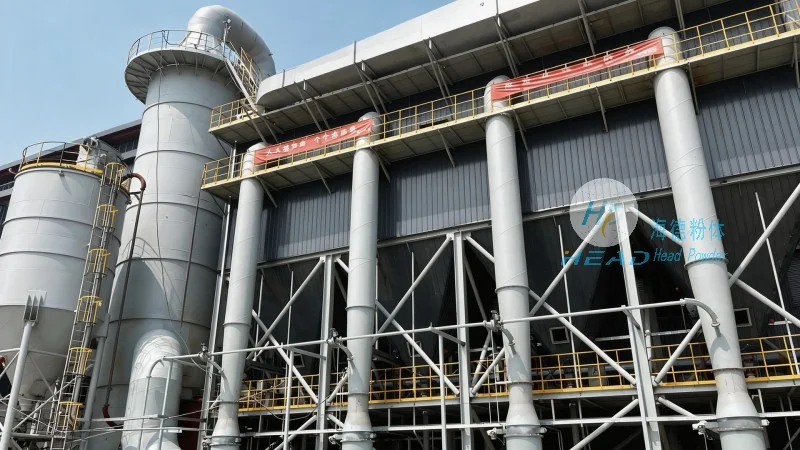
Belt conveyors are another widely adopted method for sintered ash conveying, especially for bulk material handling over shorter distances. These systems consist of a continuous belt that moves the material from the source to the destination, often with multiple inclines or declines to accommodate different elevation changes. Belt conveyors are known for their high throughput capacity and durability, making them ideal for heavy-duty applications. They are particularly effective when the ash is in a semi-solid or granular form and requires consistent, reliable transport without the need for complex air systems.
Slurry or Hydraulic Conveying
Slurry or hydraulic conveying involves mixing the sintered ash with water to create a slurry, which is then pumped through pipelines. This method is particularly useful for handling wet or highly cohesive ash, as the liquid helps to prevent clogging and ensures smooth flow. Hydraulic systems are often employed in applications where the ash needs to be transported over long distances or through complex layouts, such as underground or offshore operations. However, they require additional equipment for slurry preparation and separation, which can increase operational costs.
Advantages and Considerations for Each Method
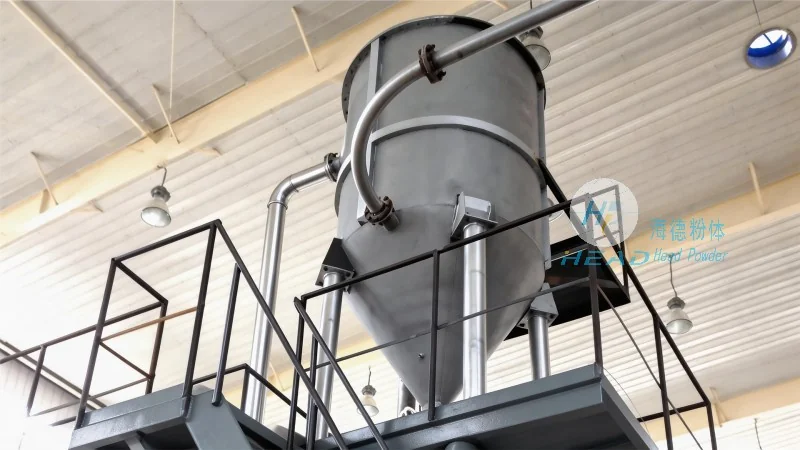
Each conveying method for sintered ash has distinct advantages and considerations that must be evaluated in the context of the specific industrial operation. Pneumatic systems offer flexibility and can handle fine materials but may require higher energy consumption and more maintenance. Belt conveyors provide high efficiency and durability but may be less effective for very fine powders. Slurry systems are suitable for wet ash but can lead to increased water usage and the need for additional treatment processes. The choice of method should align with the operational goals, environmental regulations, and budget constraints of the facility.
Role of Shandong HeadPowder Engineering Co., Ltd. in Sintered Ash Conveying Solutions
Shandong HeadPowder Engineering Co., Ltd., a leading provider of industrial conveying solutions, specializes in designing and implementing customized systems for sintered ash handling. With a focus on efficiency, reliability, and environmental compliance, the company offers tailored solutions that address the unique challenges of each industrial site. Based in Shandong, China, HeadPowder leverages years of experience in the field to deliver high-quality equipment and services that meet the demands of modern industrial operations. Their expertise in material handling and process optimization ensures that clients receive systems that enhance productivity while minimizing operational risks.
Conclusion: Selecting the Right Conveying Method for Sintered Ash
Choosing the appropriate conveying method for sintered ash is a critical decision that impacts the overall efficiency and sustainability of industrial operations. By considering factors such as material properties, distance, and operational requirements, industries can select the most suitable system to ensure smooth material flow. Whether using pneumatic, belt, or slurry systems, the goal is to maintain consistent performance, minimize downtime, and comply with environmental regulations. With the right approach and expertise, sintered ash can be transported effectively, contributing to the overall success of industrial processes.

 Shandong Headpowder Engineering Co., Ltd.
 156-6277-7102(Quản lý Trương)
  0531-83386006
  Thành phố Tế Nam, Tỉnh Sơn Đông, Trung Quốc
Điện thoại
WeChatTư vấn
Lên đầu