Với hơn 10 năm kinh nghiệm về vận chuyển khí nén, Headpowder Sơn Đông cung cấp hệ thống, thiết bị và quạt gió toàn chuỗi, đảm nhận các dự án kỹ thuật bột trọn gói trên toàn quốc.
For manufacturers in the lithium-ion battery industry, the efficient and safe transport of positive and negative electrode materials is a critical process that directly impacts production efficiency and product quality. The choice of transport method is influenced by factors such as material properties, production scale, and environmental requirements. This article will explore several common methods for transporting lithium-ion battery electrode materials, providing a comprehensive overview for industry professionals.
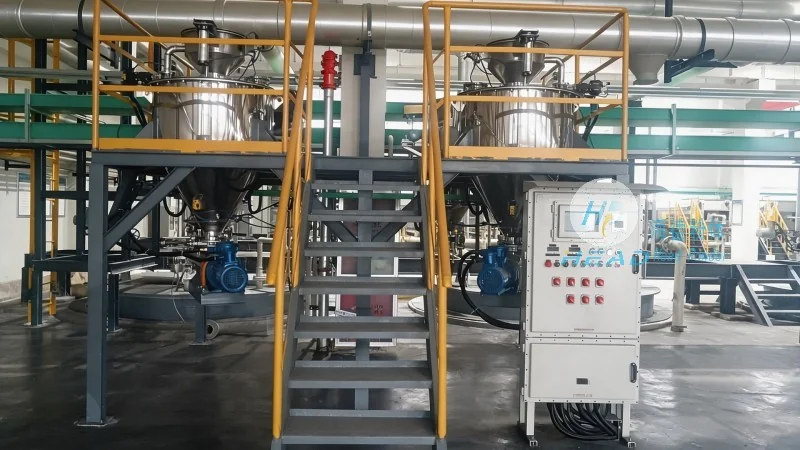
1. Mechanical Conveying Systems
Mechanical conveying systems are one of the most traditional and widely used methods for transporting bulk materials, including lithium-ion battery electrode powders. These systems typically consist of components like hoppers, conveyors (e.g., belt conveyors, screw conveyors), and transfer points. Belt conveyors are particularly suitable for transporting materials over long distances and at relatively high speeds, making them ideal for large-scale production lines. Screw conveyors, on the other hand, are effective for vertical or inclined material transport and can handle materials with varying moisture content. Mechanical systems offer advantages such as high reliability, low energy consumption, and easy maintenance. However, they may have limitations in terms of material handling capacity and may generate dust during operation, requiring additional dust control measures.
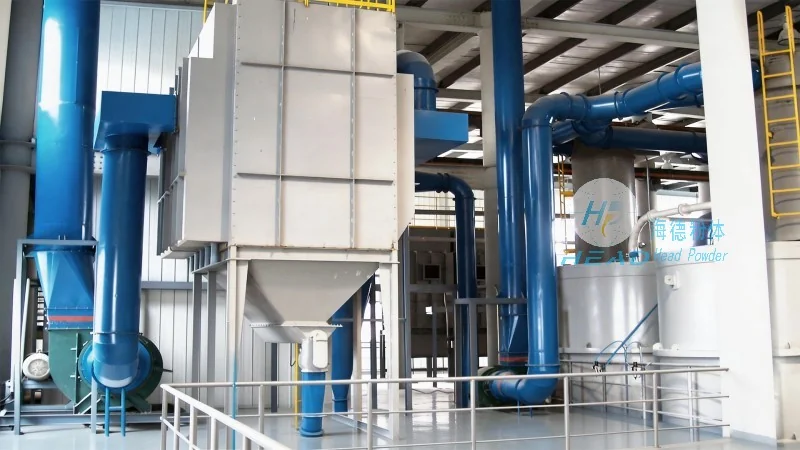
2. Pneumatic Conveying Systems
Pneumatic conveying systems use air or other gases to transport materials through a pipeline network. This method is especially suitable for transporting fine powders, such as those used in lithium-ion battery electrodes, as it can minimize material loss and contamination. Pneumatic systems can be categorized into pressure and vacuum types. Pressure systems use compressed air to push materials forward, while vacuum systems use suction to draw materials into the pipeline. The selection between pressure and vacuum depends on the specific application, with pressure systems generally being more suitable for long-distance transport and high material flow rates. Pneumatic conveying offers advantages like high flexibility, ability to transport materials over complex routes, and reduced labor costs. However, it requires more complex equipment and may have higher energy consumption compared to mechanical systems. Additionally, proper air filtration and material separation are essential to prevent dust accumulation and equipment damage.
3. Hydraulic Conveying Systems
Hydraulic conveying systems utilize fluid (usually water or oil) to transport materials through a pipeline. This method is primarily used for transporting materials with high moisture content or those that are difficult to handle mechanically. In the context of lithium-ion battery electrode materials, hydraulic systems may be employed for transporting wet slurry or pre-mixed materials. The system typically includes a pump, pipeline, and control valves. Hydraulic conveying offers advantages such as high transport capacity and the ability to handle materials with high viscosity. However, it requires more maintenance and may have higher initial costs compared to other methods. The use of hydraulic systems is more common in specialized applications where other methods are not feasible.
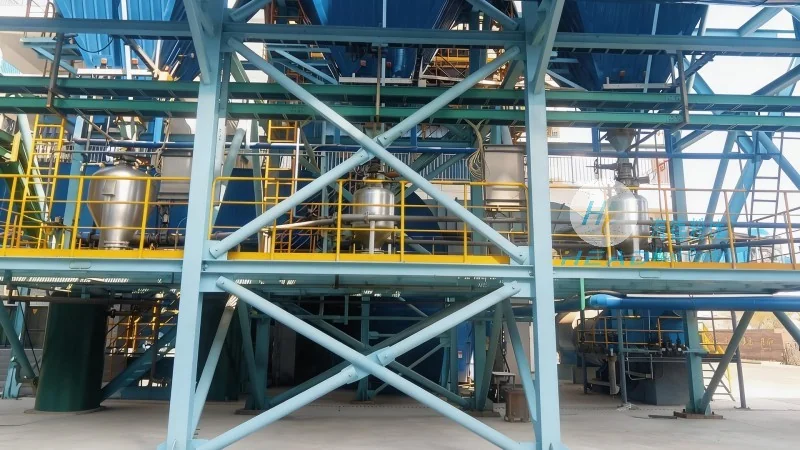
4. Air-Fluidized Bed Conveying
Air-fluidized bed conveying is a specialized method that combines the principles of pneumatic and mechanical conveying. In this system, the material is suspended in a fluidized bed created by air flow, and then transported through the pipeline. This method is particularly effective for transporting fine powders with low bulk density, such as some lithium-ion battery electrode powders. Air-fluidized bed conveying offers advantages like low material degradation, reduced dust generation, and high transport efficiency. However, it requires precise control of air flow and pressure to maintain the fluidized state. The system is more complex and may have higher energy consumption compared to traditional pneumatic systems. It is often used in applications where material quality and consistency are critical, such as in the production of high-performance battery electrodes.
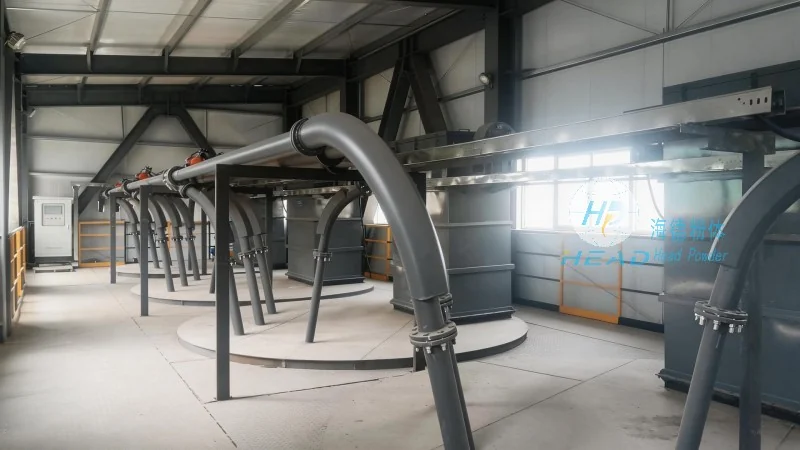
5. Combination Conveying Systems
In many industrial settings, a combination of different conveying methods is used to meet specific production requirements. For example, a mechanical conveyor may be used to transport materials from a storage hopper to a pneumatic system, which then transports the material to the production line. This integrated approach allows for efficient material handling across different stages of the production process. Combination systems offer flexibility and can adapt to varying material properties and production scales. However, they require careful design and integration to ensure smooth operation and minimal material loss. The choice of combination system depends on the overall production layout and the specific needs of the lithium-ion battery manufacturing facility.
When selecting a transport method for lithium-ion battery electrode materials, manufacturers must consider factors such as material characteristics (e.g., particle size, moisture content, bulk density), production scale, environmental regulations, and cost. Each method has its own advantages and limitations, and the optimal choice will vary based on the specific application. By understanding the characteristics of each transport method and evaluating them against production requirements, manufacturers can choose the most suitable system to ensure efficient and safe material handling in their lithium-ion battery production processes.
HeadPowder, a leading provider of engineering solutions for the battery materials industry, specializes in the design and implementation of advanced material transport systems. With years of experience in the lithium-ion battery sector, HeadPowder offers tailored solutions that meet the unique needs of each client. The company's expertise includes the integration of mechanical, pneumatic, and other advanced conveying technologies to ensure optimal material handling in battery manufacturing facilities. HeadPowder's commitment to quality and innovation has made it a trusted partner for many battery manufacturers in China and around the world. Based in Shandong, China, HeadPowder leverages its local resources and industry knowledge to provide efficient and reliable solutions for the battery materials supply chain.

 Shandong Headpowder Engineering Co., Ltd.
 156-6277-7102(Quản lý Trương)
  0531-83386006
  Thành phố Tế Nam, Tỉnh Sơn Đông, Trung Quốc
Điện thoại
WeChatTư vấn
Lên đầu