Với hơn 10 năm kinh nghiệm về vận chuyển khí nén, Headpowder Sơn Đông cung cấp hệ thống, thiết bị và quạt gió toàn chuỗi, đảm nhận các dự án kỹ thuật bột trọn gói trên toàn quốc.
For manufacturers in the lithium-ion battery industry, the efficient and safe transportation of cathode materials is a critical aspect of production operations. Proper handling and transport methods are essential to maintain material quality, prevent contamination, and ensure consistent performance in the final battery products. This article explores the common methods used for transporting lithium-ion battery cathode materials, highlighting the key considerations and applications of each approach.
1. Mechanical Conveying Systems
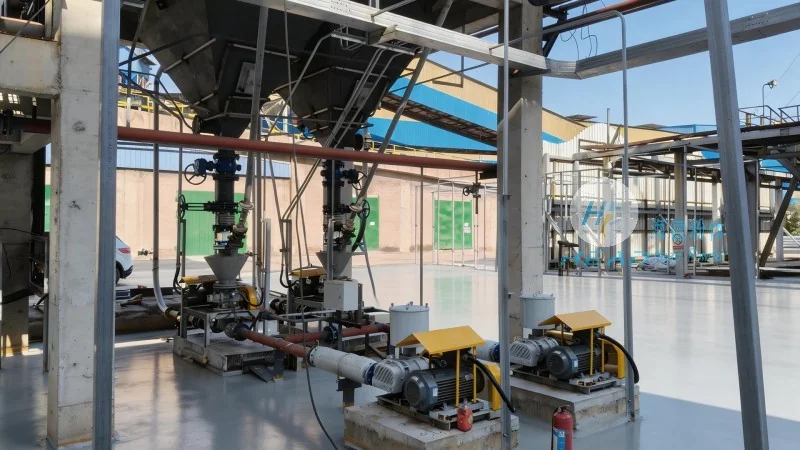
Mechanical conveying systems are widely used in the processing and handling of cathode materials due to their reliability and adaptability. These systems typically involve the use of equipment such as belt conveyors, screw conveyors, and bucket elevators. Belt conveyors are particularly effective for transporting bulk cathode powders over short to medium distances, providing a continuous and controlled flow. Screw conveyors, on the other hand, are ideal for vertical or inclined transport, allowing materials to be moved between different levels of a production facility. Bucket elevators are commonly employed when materials need to be lifted vertically, offering a robust solution for high-capacity applications. The choice of mechanical conveyor depends on factors like material characteristics, production scale, and the layout of the facility. For example, a belt conveyor might be preferred for transporting large quantities of NMC or LFP powders from a storage silo to a mixing or coating line.
2. Pneumatic Conveying Systems
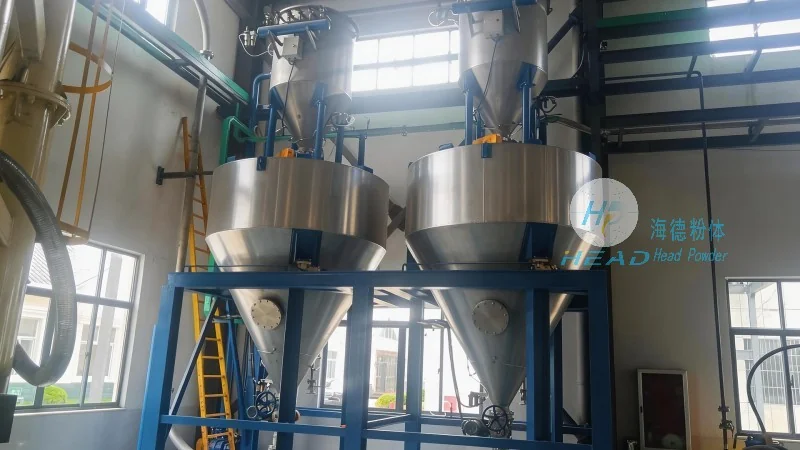
Pneumatic conveying systems utilize air or other gases to transport cathode materials through a network of pipes. This method is particularly advantageous for materials that are sensitive to moisture or contamination, as the enclosed system minimizes exposure to the environment. There are two main types of pneumatic conveying: dilute-phase and dense-phase. Dilute-phase systems use low-pressure air to move materials in a suspended state, suitable for low to medium capacity applications. Dense-phase systems, which operate at higher pressures, are better suited for high-capacity transport and can handle more abrasive or cohesive materials. Pneumatic conveying is often used in the final stages of material processing, such as moving powders from a mixing tank to a drying or coating machine. The technology is particularly beneficial for preventing dust generation and maintaining material purity, which is crucial for the performance of lithium-ion batteries.
3. Vacuum Conveying Systems
Vacuum conveying systems are a specialized form of pneumatic transport that uses negative pressure to draw materials into a collection or transport line. This method is ideal for materials that are prone to dusting or require gentle handling, as the low velocity and enclosed environment reduce the risk of particle degradation. Vacuum conveyors are commonly used for transporting fine powders, such as those used in high-energy density cathodes. They are particularly effective when materials need to be moved over long distances or between different floors of a facility. The system typically includes a vacuum pump, a collection hopper, and a transport line with a filter to capture any escaped particles. Vacuum conveying is often preferred in applications where material quality and consistency are paramount, such as in the production of advanced lithium nickel manganese cobalt oxide (NMC) cathodes.
4. Hydraulic Conveying Systems
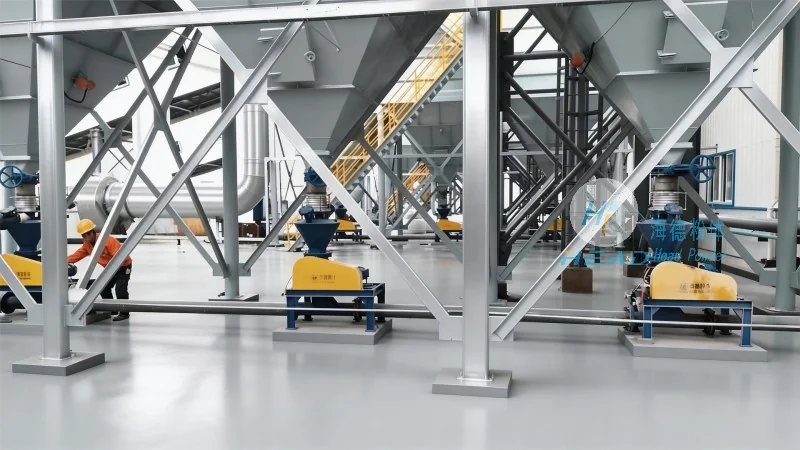
While less common than mechanical or pneumatic systems, hydraulic conveying uses fluid pressure to transport materials through a pipeline. This method is particularly suitable for transporting slurries or pastes, which are sometimes used in the preparation of cathode materials. Hydraulic systems can handle materials with high moisture content or high solid concentrations, making them useful in processes where the material is mixed with binders or solvents. The primary advantage of hydraulic conveying is its ability to transport materials over long distances with minimal energy loss. However, the system requires specialized equipment and careful maintenance to prevent clogging or corrosion. Hydraulic conveying is often employed in large-scale production facilities where the volume of material transport is high, such as in the manufacturing of lithium iron phosphate (LFP) cathodes.
5. Automated Guided Vehicle (AGV) Systems
Automated guided vehicle systems represent a modern approach to material transport, particularly in automated production lines. AGVs are equipped with sensors and navigation systems that allow them to move materials between different processing stations without human intervention. This method is highly efficient for transporting bulk materials, such as cathode powders, in a flexible and scalable manner. AGVs can be programmed to follow specific routes, ensuring that materials are delivered to the correct location at the right time. The technology is particularly beneficial in facilities that require high levels of automation and precision, such as those producing high-performance lithium-ion batteries. By integrating AGV systems with other production equipment, manufacturers can streamline their material handling processes and reduce labor costs. For example, an AGV might transport a container of cathode material from a storage area to a mixing machine, ensuring that the material is delivered promptly and without delay.
6. Considerations for Choosing the Right Transport Method
When selecting a transport method for lithium-ion battery cathode materials, several factors must be considered to ensure optimal performance and efficiency. The first consideration is the physical properties of the material, including its particle size, moisture content, and flowability. Materials with high moisture content or fine particles may require enclosed systems like pneumatic or vacuum conveyors to prevent degradation. The second factor is the production scale and facility layout. Large-scale facilities may benefit from mechanical or hydraulic systems that can handle high volumes, while smaller operations might opt for simpler solutions like belt conveyors. The third consideration is the need for material quality control. Systems that minimize dust generation and contamination, such as pneumatic or vacuum conveyors, are often preferred for high-end applications. Additionally, the cost of equipment and maintenance should be evaluated, as different transport methods have varying long-term operational costs. By carefully evaluating these factors, manufacturers can choose the most suitable transport method for their specific needs, ensuring that their cathode materials are handled safely and efficiently throughout the production process.
7. Conclusion
In conclusion, the transportation of lithium-ion battery cathode materials involves a range of methods, each with its own advantages and applications. Mechanical conveying systems offer reliability and simplicity, while pneumatic and vacuum systems provide enclosed and gentle handling for sensitive materials. Hydraulic systems are suitable for slurries and high-volume transport, and automated guided vehicles offer flexibility in modern production lines. The choice of transport method depends on the specific requirements of the material, the scale of production, and the overall facility layout. By selecting the appropriate transport method, manufacturers can maintain material quality, improve operational efficiency, and ensure the consistent performance of their lithium-ion batteries. As the demand for high-performance batteries grows, the importance of efficient and safe material transport will continue to increase, making it a critical aspect of battery production.

 Shandong Headpowder Engineering Co., Ltd.
 156-6277-7102(Quản lý Trương)
  0531-83386006
  Thành phố Tế Nam, Tỉnh Sơn Đông, Trung Quốc
Điện thoại
WeChatTư vấn
Lên đầu