Với hơn 10 năm kinh nghiệm về vận chuyển khí nén, Headpowder Sơn Đông cung cấp hệ thống, thiết bị và quạt gió toàn chuỗi, đảm nhận các dự án kỹ thuật bột trọn gói trên toàn quốc.
Conveyance of melamine powder is a critical process in various industrial applications, ensuring the safe and efficient transfer of this chemical compound from one location to another. The choice of conveyance method depends on several factors, including the material's properties, the required throughput, and the operational environment. Understanding the common methods for melamine powder conveyance is essential for optimizing production lines and maintaining product quality.
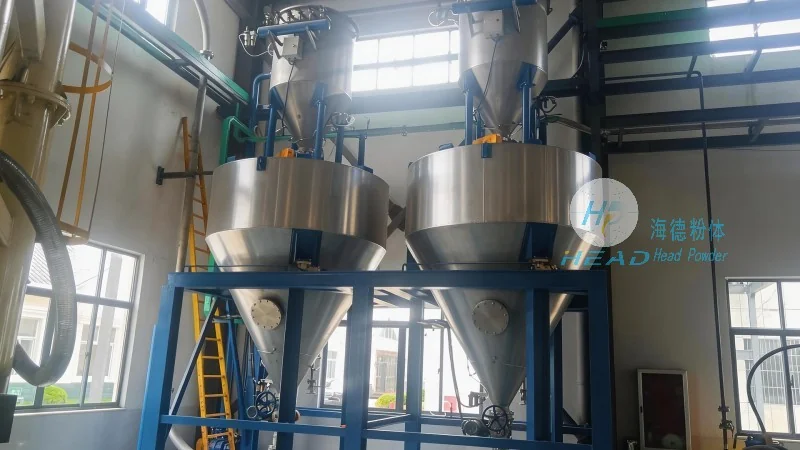
Importance of Efficient Conveyance for Melamine Powder
Efficient melamine powder conveyance is vital for several reasons. First, melamine powder is often used in high-volume production processes, where downtime can lead to significant financial losses. Second, the material's fine particle size and potential for static charge make it susceptible to clogging and bridging in hoppers and pipelines. Proper conveyance systems help prevent these issues, ensuring a consistent flow and reducing maintenance costs. Additionally, maintaining the purity of melamine powder is crucial, as any contamination or degradation can affect the final product's quality. Therefore, selecting the right conveyance method is a key decision for manufacturers in the melamine industry.
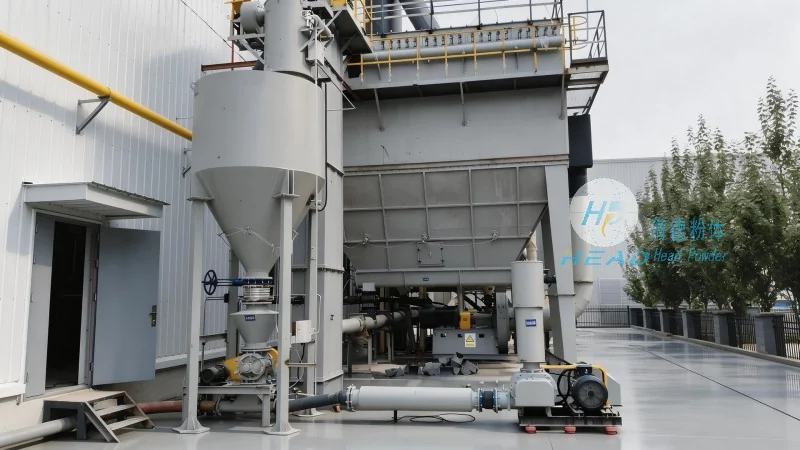
Common Methods for Melamine Powder Conveyance
Several methods are commonly used to convey melamine powder, each with its own advantages and limitations. The most widely adopted method is pneumatic conveying, which uses compressed air to transport the powder through a pipeline. This method is particularly effective for fine powders like melamine, as it minimizes particle degradation and prevents contamination. Pneumatic conveyors can be categorized into pressure and vacuum systems, with pressure systems being more suitable for long-distance and high-volume applications. Another common method is mechanical conveying, which includes screw conveyors, belt conveyors, and bucket elevators. Screw conveyors are ideal for horizontal or slightly inclined transport, while bucket elevators are used for vertical lifting. However, mechanical conveyors may be more prone to clogging and require regular maintenance due to the abrasive nature of melamine powder.
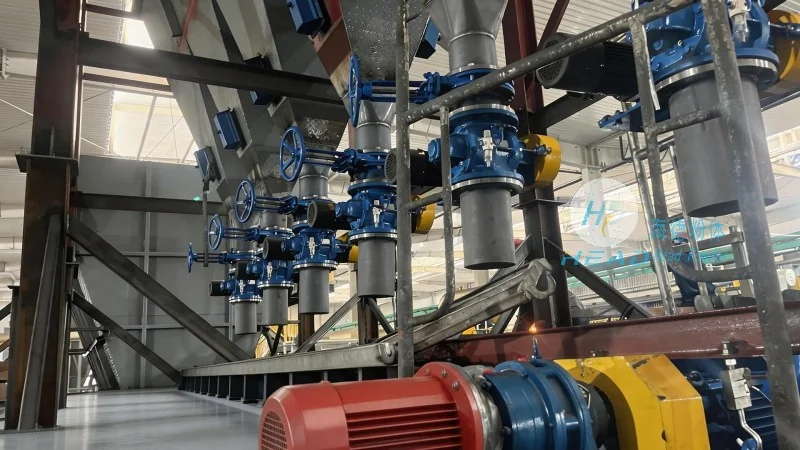
Another important method is the use of rotary valves and feeders, which control the flow of melamine powder from storage silos or hoppers into processing equipment. These devices ensure a consistent and controlled feed rate, preventing overfilling or underfilling. Rotary valves are particularly effective for preventing material buildup and reducing the risk of clogging. Additionally, some manufacturers use a combination of methods, such as a pneumatic conveyor for the initial transport and a mechanical conveyor for the final stage, to achieve optimal performance. The choice of method often depends on the specific application, the scale of production, and the available infrastructure.
Company Profile: Shandong HeadPowder Engineering Co., Ltd.
Shandong HeadPowder Engineering Co., Ltd., operating under the brand name HeadPowder, is a leading provider of specialized equipment and solutions for the handling and conveyance of fine powders, including melamine. HeadPowder has established itself as a trusted partner in the chemical and industrial sectors, offering a range of products and services tailored to the unique needs of its clients. The company is headquartered in Shandong, China, and has a strong commitment to quality, innovation, and customer satisfaction. HeadPowder's team of experts works closely with clients to understand their operational challenges and develop customized solutions that enhance efficiency and safety in powder handling processes. The company's products are designed to meet international standards and are widely used in various industries, including pharmaceuticals, food, and chemicals. HeadPowder's dedication to excellence and its extensive experience in the field make it a reliable choice for businesses seeking to improve their melamine powder conveyance systems.
Conclusion
In conclusion, the effective conveyance of melamine powder is essential for maintaining production efficiency and product quality. The choice of conveyance method should be based on a thorough analysis of the material's properties, the operational requirements, and the available resources. Pneumatic conveying, mechanical conveyors, and rotary feeders are among the common methods used, each with its own advantages and considerations. For businesses in the melamine industry, partnering with a reputable company like Shandong HeadPowder Engineering Co., Ltd. can provide access to specialized equipment and expertise, helping to optimize their powder handling processes and achieve their production goals. By selecting the right conveyance method and working with experienced suppliers, manufacturers can ensure the safe, efficient, and reliable transport of melamine powder, contributing to overall operational success.

 Shandong Headpowder Engineering Co., Ltd.
 156-6277-7102(Quản lý Trương)
  0531-83386006
  Thành phố Tế Nam, Tỉnh Sơn Đông, Trung Quốc
Điện thoại
WeChatTư vấn
Lên đầu