Với hơn 10 năm kinh nghiệm về vận chuyển khí nén, Headpowder Sơn Đông cung cấp hệ thống, thiết bị và quạt gió toàn chuỗi, đảm nhận các dự án kỹ thuật bột trọn gói trên toàn quốc.
When it comes to the transportation of anhydrous sodium sulfate, various methods are employed to ensure efficient and safe delivery. This article explores the common approaches used by industry professionals, focusing on the practical solutions that facilitate the movement of this chemical compound from production sites to end-users.
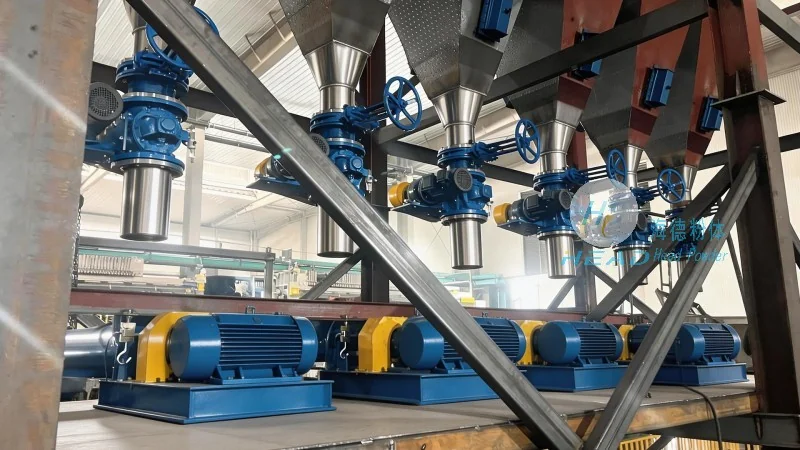
Understanding Anhydrous Sodium Sulfate and Its Transportation Needs
Anhydrous sodium sulfate, also known as sodium sulfate anhydrous, is a white crystalline solid widely used in industries such as glass manufacturing, paper production, and chemical processing. Its properties, including high solubility and stability, make it essential for numerous applications. However, transporting this material requires careful consideration of factors like bulk handling, storage conditions, and regulatory compliance. The methods chosen depend on the scale of operation, the distance to be covered, and the specific requirements of the end-user.
Common Transportation Methods for Anhydrous Sodium Sulfate
Several common methods are utilized for the transportation of anhydrous sodium sulfate, each with its own advantages and applications. The primary approaches include bulk transport via pipelines, road transport in bulk trucks, and packaging for smaller quantities.
One of the most efficient methods for large-scale transportation is the use of pipelines. This method is particularly suitable for continuous production facilities where the chemical is produced and then directly transported to nearby processing plants. Pipelines allow for a seamless flow of the material, minimizing handling and reducing the risk of contamination or loss. Companies like Shandong HeadPowder Engineering Co., Ltd. often utilize this method for their clients who require a steady supply of anhydrous sodium sulfate for industrial processes.
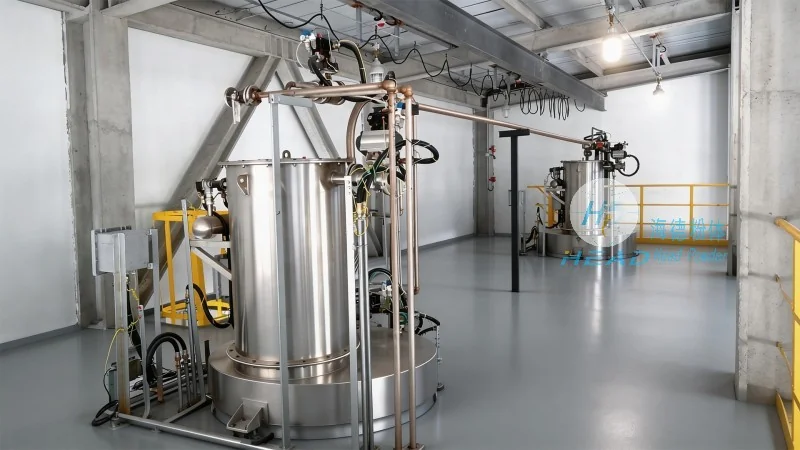
For medium to large quantities, road transport using specialized bulk trucks is a popular choice. These trucks are equipped with secure containers designed to prevent spillage and maintain the integrity of the product. The flexibility of road transport allows for delivery to a wide range of locations, including remote industrial sites. The company, HeadPowder, specializes in coordinating such logistics, ensuring that the material reaches its destination in optimal condition.
For smaller quantities or when the material needs to be delivered to retail or smaller-scale users, packaging in containers such as drums or bags is common. This method is particularly useful for applications where the chemical is used in smaller batches or for laboratory purposes. The packaging must meet specific standards to ensure safety during transit and handling. HeadPowder provides these packaged products, ensuring compliance with industry regulations and customer requirements.
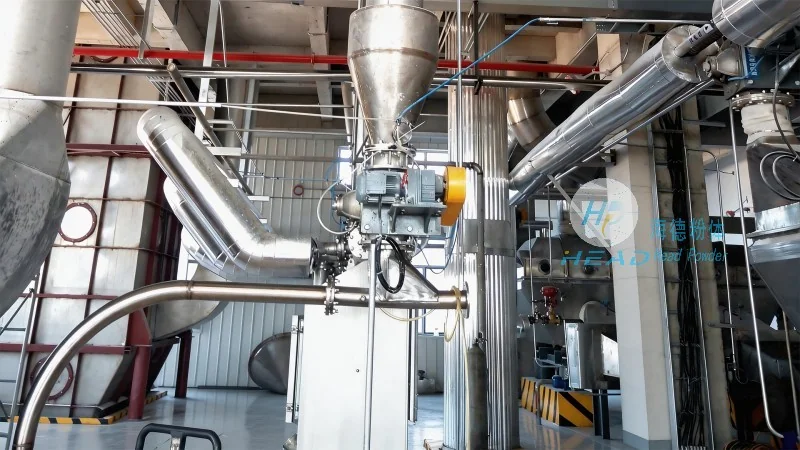
Factors Influencing the Choice of Transportation Method
The selection of a transportation method for anhydrous sodium sulfate is influenced by several key factors. The distance between the production facility and the end-user is a primary consideration. For short distances, road transport may be more cost-effective and efficient. For longer distances, especially across regions or countries, rail or even maritime transport might be considered, though these are less common for this specific chemical due to its bulk nature and the need for immediate use.
Another critical factor is the volume of the shipment. Large-scale industrial users may prefer pipeline or bulk truck transport to minimize costs and ensure a consistent supply. Smaller users, such as laboratories or small-scale manufacturers, may opt for packaged products delivered by road. The availability of infrastructure, such as pipelines or dedicated loading facilities, also plays a role in the decision-making process. Companies like Shandong HeadPowder Engineering Co., Ltd. assess these factors to recommend the most suitable transportation method for each client's needs.
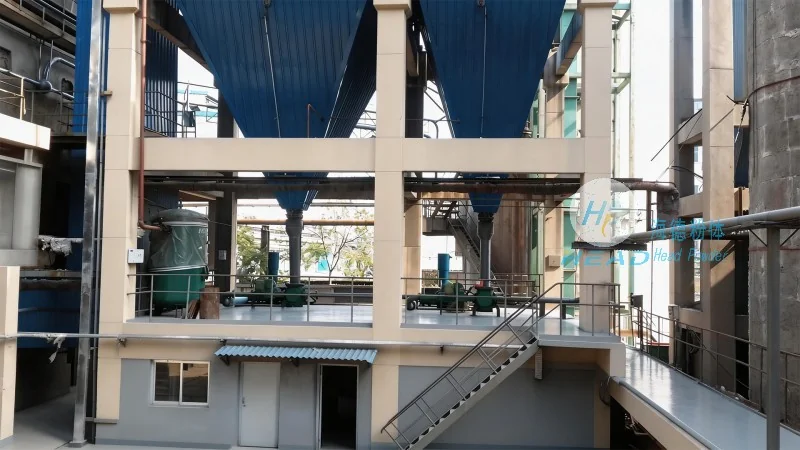
Ensuring Safety and Compliance in Transportation
Transporting anhydrous sodium sulfate requires adherence to safety and regulatory standards to prevent accidents and ensure environmental protection. All transportation methods must comply with local and international regulations regarding hazardous materials. This includes proper labeling, secure packaging, and the use of appropriate vehicles and equipment. Companies specializing in the transport of chemicals, such as HeadPowder, have established protocols to ensure that all safety measures are followed throughout the entire process.
During transportation, the material must be kept in a dry environment to maintain its anhydrous state. Moisture can cause the sodium sulfate to absorb water and change its properties, which may affect its performance in downstream processes. Therefore, containers are often sealed and insulated to prevent moisture ingress. Additionally, temperature control may be necessary, especially during long-distance transport, to prevent degradation of the product.
Conclusion
In summary, the transportation of anhydrous sodium sulfate involves a range of methods tailored to the specific needs of the user. From large-scale pipeline systems to smaller packaged deliveries, each method plays a crucial role in ensuring the efficient and safe supply of this essential chemical. Companies like Shandong HeadPowder Engineering Co., Ltd., with the brand name HeadPowder, provide comprehensive solutions, including the selection of appropriate transportation methods, to meet the diverse requirements of their clients in the industrial sector.

 Shandong Headpowder Engineering Co., Ltd.
 156-6277-7102(Quản lý Trương)
  0531-83386006
  Thành phố Tế Nam, Tỉnh Sơn Đông, Trung Quốc
Điện thoại
WeChatTư vấn
Lên đầu