Với hơn 10 năm kinh nghiệm về vận chuyển khí nén, Headpowder Sơn Đông cung cấp hệ thống, thiết bị và quạt gió toàn chuỗi, đảm nhận các dự án kỹ thuật bột trọn gói trên toàn quốc.
Soybean meal, a vital byproduct of soybean processing, serves as a key ingredient in animal feed, fertilizer, and various industrial applications. The efficient transportation of soybean meal is critical for maintaining supply chain stability and meeting the diverse demands of industries worldwide. This article explores the common methods utilized for soybean meal transportation, emphasizing the key factors that influence the selection of transport and best practices to ensure product integrity.
Key Factors Influencing Soybean Meal Transportation Choices
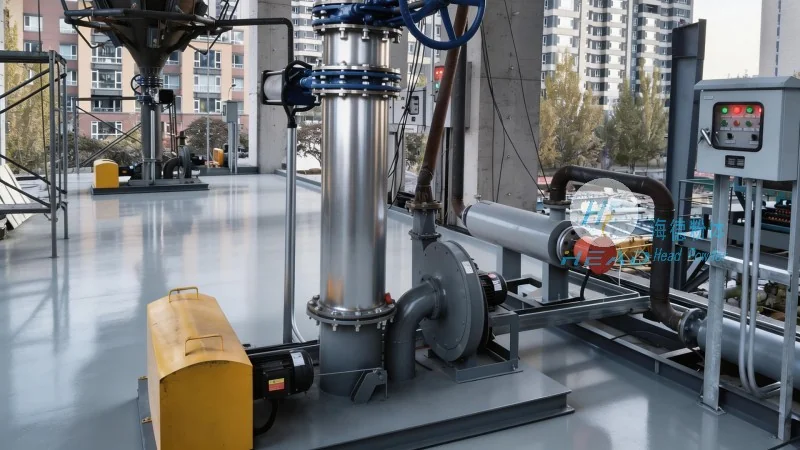
Before discussing specific transportation methods, it is essential to understand the primary considerations that guide the decision-making process. Soybean meal is a granular or powder-like material, which makes it susceptible to dust generation and segregation during handling. Its density and moisture content also affect flow characteristics and storage stability. Therefore, selecting the appropriate transportation method requires careful evaluation of these factors to minimize losses and preserve the material's quality. Additionally, logistical aspects such as distance, volume, and market accessibility play a significant role in determining the most suitable transport option.
Common Transportation Methods for Soybean Meal
Several methods are commonly employed for transporting soybean meal, each tailored to different operational needs and distances. The primary methods include bulk trucking, railcar transport, marine vessel shipping, and containerized transport.
Bulk Truck Transportation
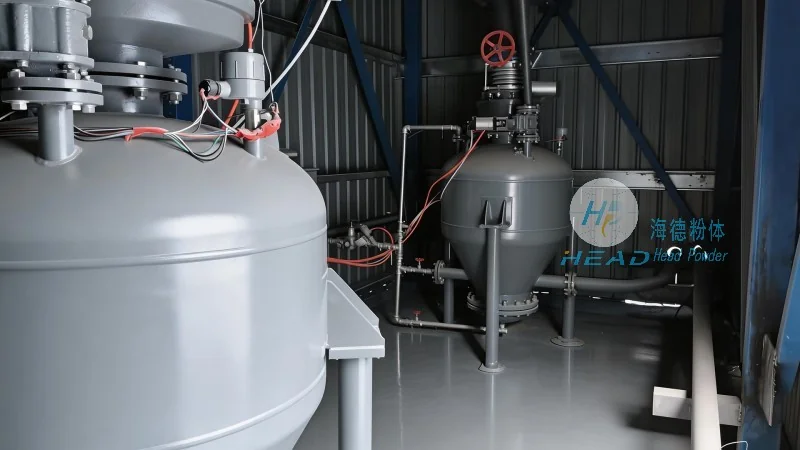
Bulk truck transportation is widely used for short to medium-distance movements of soybean meal. Specialized trucks, such as bulk tankers or hopper trucks, are equipped to handle the granular nature of the material, minimizing dust and ensuring stable flow. This method offers flexibility, allowing for door-to-door delivery and adapting to varying delivery schedules. Companies like Shandong HeadPowder Engineering Co., Ltd., based in Shandong, China, often utilize bulk truck transport for their clients, leveraging their expertise in handling bulk agricultural products. The trucks are designed to maintain the material's integrity, preventing segregation and ensuring consistent quality for end-users.
Railcar Transportation
For longer distances and larger volumes, railcar transportation is a cost-effective solution. Railcars specifically designed for bulk commodities, including covered hopper cars and tank cars, are used to transport soybean meal. This method reduces transportation costs compared to trucking, especially over extensive distances, and can handle high volumes efficiently. The extensive rail network in China supports the movement of soybean meal from production centers to major markets. Shandong HeadPowder Engineering Co., Ltd., with its operations in Shandong, may utilize rail transport for bulk shipments to reach distant clients, ensuring timely delivery while maintaining product quality. Rail transport also offers the advantage of being less affected by road congestion, providing a reliable option for large-scale distribution.
Vessel Transportation (Marine Transport)
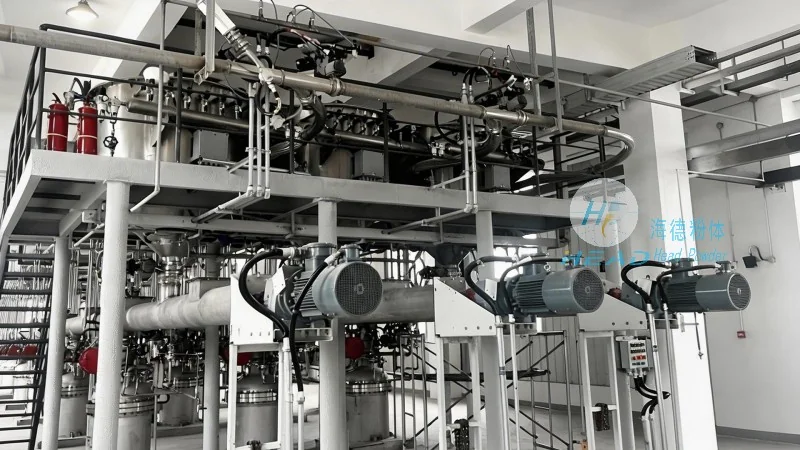
For international trade and long-distance transportation, vessel transportation is the primary method. Large cargo ships, such as bulk carriers and specialized vessels, are used to carry soybean meal in bulk. This approach is ideal for moving substantial quantities across oceans, connecting global markets. The use of covered holds or hopper barges helps prevent contamination and moisture absorption, preserving the quality of the soybean meal during transit. Companies engaged in international soybean meal trade often rely on marine transport to meet global demand. Shandong HeadPowder Engineering Co., Ltd., based in Shandong, China, may engage in marine transport for exporting soybean meal to overseas markets, leveraging the country's strategic port locations and extensive maritime infrastructure.
Containerized Transport
Containerized transport is another viable option, particularly for smaller volumes or when the material requires a more controlled environment. Standard shipping containers or specialized bulk containers are used to transport soybean meal. This method offers advantages such as easier handling, reduced risk of spillage, and the ability to combine with other cargo for intermodal transport. Containerized transport is often used for international shipments where customs clearance and security are critical. Shandong HeadPowder Engineering Co., Ltd., may use containerized transport for smaller orders or for clients requiring more secure and manageable shipments. The containers provide protection against external elements and ensure the material remains in optimal condition throughout the journey.
Best Practices for Ensuring Quality in Soybean Meal Transportation
Regardless of the chosen method, several best practices should be followed to maintain the quality and safety of soybean meal during transportation. Proper loading and unloading procedures are essential to prevent segregation and maintain uniformity. The use of appropriate equipment, such as conveyor belts or augers, helps minimize dust and ensure smooth flow. Additionally, maintaining proper moisture levels and temperature control is crucial, especially during long-distance transport, to prevent spoilage or mold growth. Regular inspections of the transport vehicles and containers are also recommended to identify and address any issues promptly. Companies specializing in soybean meal handling, like Shandong HeadPowder Engineering Co., Ltd., often implement these best practices to ensure customer satisfaction and product integrity.

 Shandong Headpowder Engineering Co., Ltd.
 156-6277-7102(Quản lý Trương)
  0531-83386006
  Thành phố Tế Nam, Tỉnh Sơn Đông, Trung Quốc
Điện thoại
WeChatTư vấn
Lên đầu