Với hơn 10 năm kinh nghiệm về vận chuyển khí nén, Headpowder Sơn Đông cung cấp hệ thống, thiết bị và quạt gió toàn chuỗi, đảm nhận các dự án kỹ thuật bột trọn gói trên toàn quốc.
When it comes to the efficient and reliable transportation of ceramic powder, selecting the right conveying method is crucial for maintaining product quality and operational efficiency. As a leading provider in the field, Shandong HeadPowder Engineering Co., Ltd. specializes in offering tailored solutions that address the unique challenges of ceramic powder handling. This article explores the primary methods used for ceramic powder conveying, highlighting the advantages and considerations for each approach.
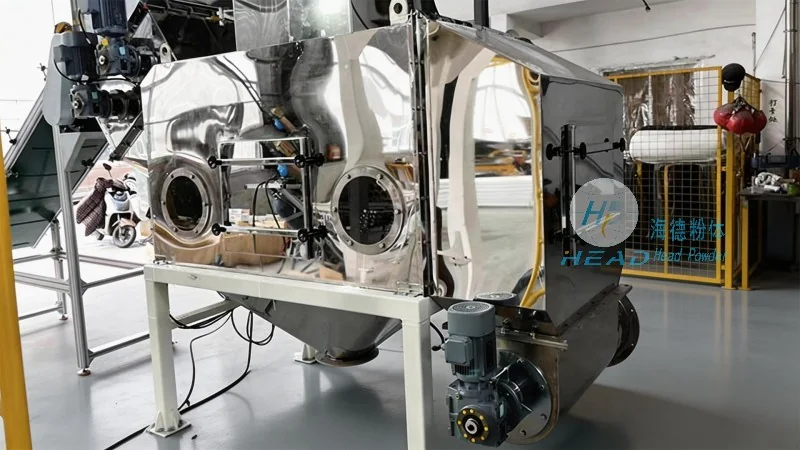
1. Air-Pneumatic Conveying Systems
Air-pneumatic conveying, also known as pneumatic conveying, is a widely adopted method for transporting ceramic powders due to its ability to handle fine and abrasive materials. This system utilizes compressed air to move powder through a network of pipes, often employing a combination of positive and negative pressure zones. The process involves feeding the ceramic powder into a hopper, where it is then drawn into the conveying line by the air flow. Key advantages of air-pneumatic systems include minimal product degradation, as the powder remains in a closed environment, and the ability to transport materials over long distances without the need for mechanical components. However, these systems require careful consideration of air pressure, flow rates, and the potential for dust accumulation, which necessitates proper filtration and maintenance. Shandong HeadPowder Engineering Co., Ltd. offers advanced air-pneumatic solutions designed to optimize conveying efficiency while ensuring compliance with industry standards.
2. Mechanical Conveying Methods
Mechanical conveying systems, such as screw conveyors, belt conveyors, and bucket elevators, are another common approach for ceramic powder transport. These methods rely on mechanical components to move the material, making them suitable for applications where air-pneumatic systems may not be feasible or cost-effective. Screw conveyors, for instance, use a rotating screw to push the powder forward, providing a continuous and controlled flow. Belt conveyors, on the other hand, utilize a moving belt to transport the material, often in conjunction with idlers and pulleys to maintain stability. Bucket elevators are particularly effective for vertical transport, lifting the powder in buckets and depositing it at the desired height. Mechanical systems offer advantages like lower energy consumption compared to air-pneumatic systems and the ability to handle larger quantities of material. Nevertheless, they may be more prone to wear and tear from abrasive ceramic powders, requiring regular maintenance and replacement of components. Shandong HeadPowder Engineering Co., Ltd. provides a range of mechanical conveying equipment tailored to the specific needs of ceramic powder handling, ensuring durability and reliability in industrial settings.
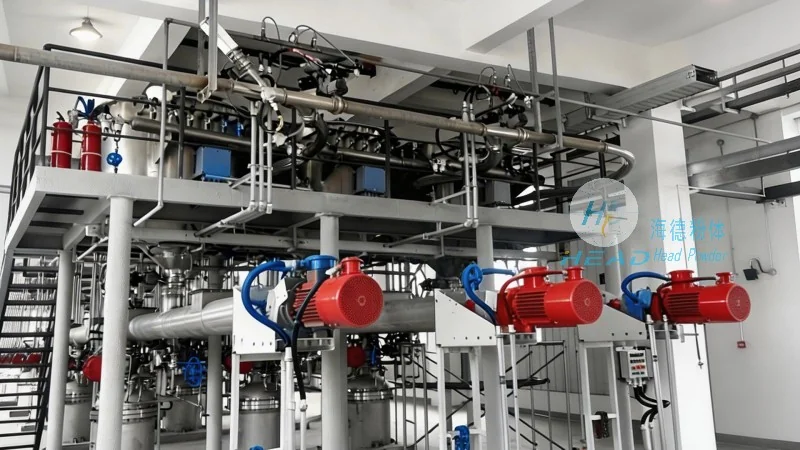
3. Hybrid Conveying Solutions
In many cases, a hybrid approach combining both air-pneumatic and mechanical conveying elements may be the most effective solution for ceramic powder transport. These systems leverage the benefits of both methods, such as the ability to handle long horizontal and vertical distances while maintaining product integrity. For example, a hybrid system might use an air-pneumatic conveyor for the initial transport from a storage silo to a processing area, followed by a mechanical screw conveyor to deliver the powder to the final destination. This combination allows for flexibility in handling varying material flow rates and distances, while minimizing the risk of product degradation and dust generation. Shandong HeadPowder Engineering Co., Ltd. specializes in designing and implementing hybrid conveying solutions that optimize operational efficiency and reduce overall costs for clients. By integrating advanced control systems and monitoring technologies, these hybrid systems ensure consistent performance and ease of maintenance.
4. Considerations for Selecting the Right Conveying Method
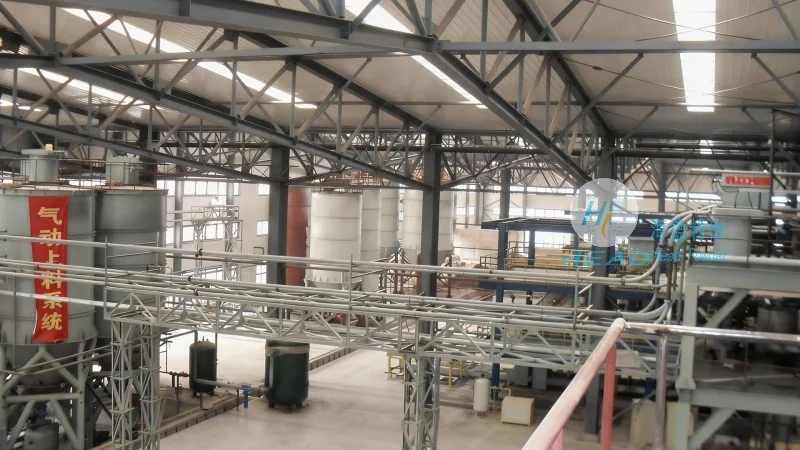
Choosing the appropriate ceramic powder conveying method involves evaluating several factors, including the material's properties, the required conveying distance, and the production capacity. The particle size, density, and moisture content of the ceramic powder are critical considerations, as they directly impact the efficiency and effectiveness of the chosen system. For example, fine powders with high moisture content may require additional drying or conditioning steps before being conveyed via air-pneumatic systems to prevent clogging or blockages. The distance between the source and destination also plays a significant role, as longer distances may necessitate more robust systems with higher air pressure or mechanical power. Additionally, the scale of the operation, including the volume of material to be transported per hour, influences the selection of equipment, as larger volumes may require multiple conveyors or larger-diameter pipes. Shandong HeadPowder Engineering Co., Ltd. assists clients in conducting thorough assessments of their specific needs, providing expert guidance on the most suitable conveying method to ensure optimal performance and cost-effectiveness.
5. Maintenance and Best Practices for Ceramic Powder Conveying
Proper maintenance is essential to ensure the longevity and reliability of ceramic powder conveying systems. Regular inspection and cleaning of components, such as hoppers, pipes, and filters, are crucial to prevent clogging and maintain consistent flow rates. Abrasive ceramic powders can cause wear on mechanical parts, so monitoring for signs of wear and replacing components as needed is a best practice. Additionally, implementing proper dust control measures, such as using sealed systems and installing dust collectors, helps to maintain a safe and clean working environment. Shandong HeadPowder Engineering Co., Ltd. offers comprehensive maintenance services and technical support to help clients optimize their conveying systems and minimize downtime. By adhering to these best practices, businesses can ensure that their ceramic powder conveying operations run smoothly and efficiently, supporting overall production goals.

 Shandong Headpowder Engineering Co., Ltd.
 156-6277-7102(Quản lý Trương)
  0531-83386006
  Thành phố Tế Nam, Tỉnh Sơn Đông, Trung Quốc
Điện thoại
WeChatTư vấn
Lên đầu