Với hơn 10 năm kinh nghiệm về vận chuyển khí nén, Headpowder Sơn Đông cung cấp hệ thống, thiết bị và quạt gió toàn chuỗi, đảm nhận các dự án kỹ thuật bột trọn gói trên toàn quốc.
For agricultural and industrial operations dealing with barley, selecting the right conveying method is crucial for efficiency and safety. The choice of equipment can significantly impact the overall workflow, especially in processing plants, storage facilities, and transportation systems. This article explores the primary methods used for barley conveyance, highlighting the key factors to consider when choosing the most suitable solution for your needs.
Types of Barley Conveying Methods
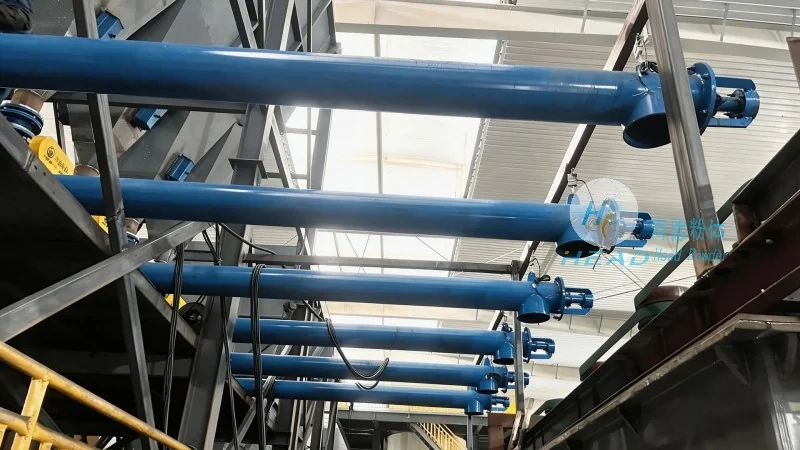
Barley conveying systems are designed to move barley from one location to another with minimal loss and maximum efficiency. The most common methods include belt conveyors, screw conveyors, pneumatic conveyors, and bucket elevators. Each method has its own advantages and is suited to different operational requirements.
Belt Conveyors for Barley Handling
Belt conveyors are among the most widely used equipment for transporting barley. These systems utilize a continuous belt that moves over rollers or pulleys, carrying the barley from the source to the destination. The design allows for both horizontal and inclined movement, making them versatile for various applications. Belt conveyors are particularly effective for long-distance transport and can handle large volumes of barley with minimal maintenance. The smooth operation of belt conveyors ensures that the barley remains intact, reducing the risk of breakage or damage during transit. This makes them ideal for both raw material handling and finished product transport in processing facilities.
Screw Conveyors for Bulk Barley Transport
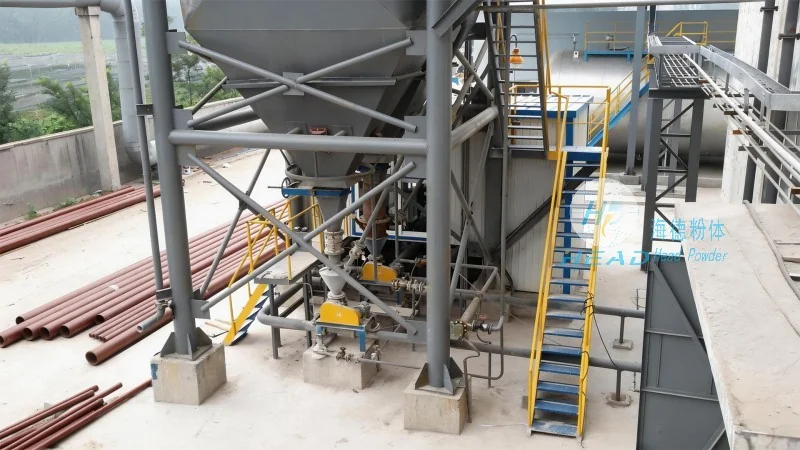
Screw conveyors, also known as auger conveyors, are another popular choice for barley conveyance. These systems consist of a rotating screw inside a trough, which pushes the barley forward. Screw conveyors are excellent for vertical and inclined transport, as well as horizontal movement. They are particularly useful in environments where space is limited or where the barley needs to be elevated to a higher level. The enclosed design of screw conveyors helps to contain dust and prevent spillage, making them suitable for indoor and outdoor applications. Additionally, screw conveyors can handle a wide range of barley types, including whole grains and processed products. Their ability to maintain consistent speed and load ensures reliable performance in continuous operation.

Pneumatic Conveyors for High-Speed Barley Transfer
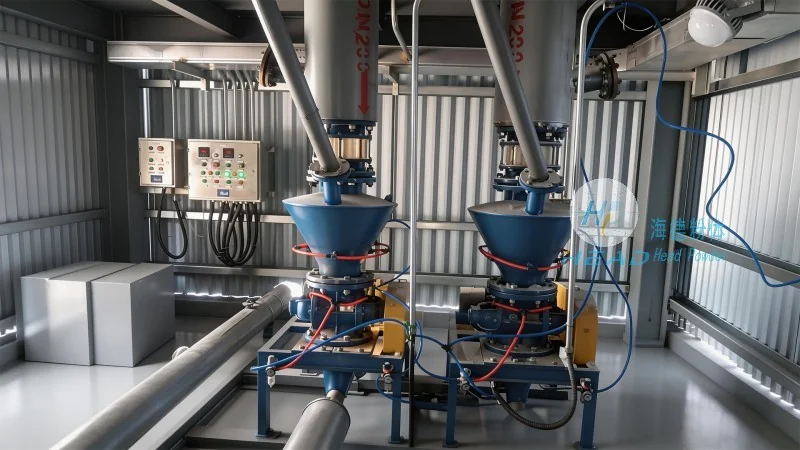
Pneumatic conveyors use air pressure to move barley through a system of pipes. This method is ideal for high-speed, low-maintenance transport over short to medium distances. Pneumatic systems are particularly effective for moving barley from storage silos to processing equipment or for transferring it between different parts of a facility. The flexibility of pneumatic conveyors allows for easy integration into existing infrastructure, and they can be adapted to handle different barley sizes and moisture levels. However, it is important to consider the potential for dust generation and the need for proper filtration and cleaning systems to maintain air quality. Pneumatic conveyors are often chosen for their ability to minimize labor costs and reduce the risk of mechanical failure compared to other types of equipment.
Bucket Elevators for Vertical Barley Movement
Bucket elevators are specialized equipment designed for vertical movement of barley. These systems consist of a continuous chain with buckets attached, which travel up and down inside a vertical housing. Bucket elevators are highly efficient for transporting barley from ground level to elevated storage or processing areas. They are capable of handling large volumes of material with high vertical lift capabilities, making them essential in facilities where vertical space is available. The enclosed design of bucket elevators prevents dust and spillage, ensuring a clean and safe operation. Additionally, bucket elevators can operate at high speeds, reducing the overall time required for material transfer. Their robust construction and durability make them suitable for heavy-duty applications in agricultural and industrial settings.
Choosing the Right Barley Conveying Method
When selecting a barley conveying method, several factors should be considered to ensure optimal performance and cost-effectiveness. The first consideration is the distance and direction of movement—horizontal, inclined, or vertical. The volume of barley to be transported and the required speed are also critical factors. The type of barley (e.g., whole grains, malt, or processed products) and its moisture content will influence the choice of equipment. Additionally, the available space and budget constraints play a significant role in the decision-making process. It is essential to evaluate the maintenance requirements and operational costs of each system to determine the most economical and reliable solution. Consulting with experts in the field, such as Shandong HeadPowder Engineering Co., Ltd., can provide valuable insights into the best conveying method for specific applications.
Conclusion
Efficient barley conveyance is a cornerstone of successful agricultural and industrial operations. By understanding the different types of conveying methods and their respective advantages, businesses can optimize their workflow and improve overall productivity. Whether using belt conveyors, screw conveyors, pneumatic systems, or bucket elevators, the right choice depends on the specific needs of the operation. Shandong HeadPowder Engineering Co., Ltd., with its expertise in barley handling equipment, offers tailored solutions to meet the diverse requirements of clients. With a focus on quality and reliability, their equipment ensures smooth and efficient barley transport, contributing to the success of agricultural and processing industries.

 Shandong Headpowder Engineering Co., Ltd.
 156-6277-7102(Quản lý Trương)
  0531-83386006
  Thành phố Tế Nam, Tỉnh Sơn Đông, Trung Quốc
Điện thoại
WeChatTư vấn
Lên đầu