Với hơn 10 năm kinh nghiệm về vận chuyển khí nén, Headpowder Sơn Đông cung cấp hệ thống, thiết bị và quạt gió toàn chuỗi, đảm nhận các dự án kỹ thuật bột trọn gói trên toàn quốc.
Clay ash, a byproduct commonly generated in industrial processes such as cement production and power generation, requires efficient and reliable conveying solutions to ensure smooth material handling and operational continuity. The choice of conveying method significantly impacts production efficiency, material integrity, and overall system maintenance. This article explores common clay ash conveying methods and highlights the advantages of HeadPowder's pneumatic conveying system, a leading solution for handling clay ash with precision and effectiveness.
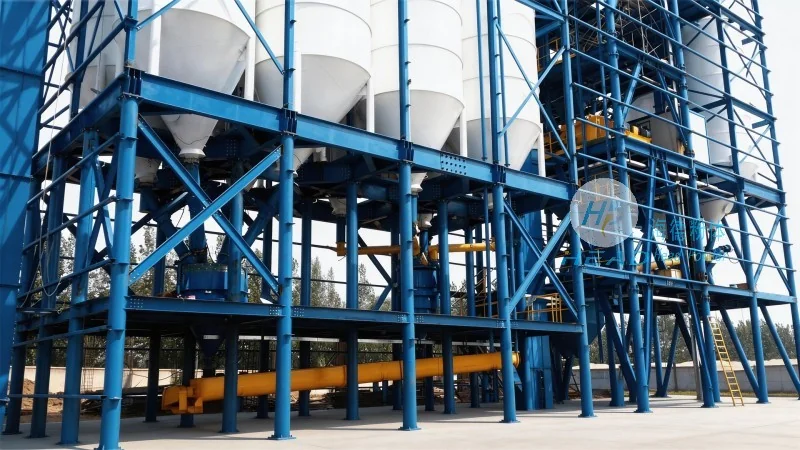
Common Clay Ash Conveying Methods
Traditional clay ash conveying methods have evolved over time, with several approaches being widely adopted across industries. The primary methods include gravity-based systems, mechanical conveyors, and pneumatic conveying. Each method has its own set of advantages and limitations, making the selection dependent on factors like material characteristics, distance, and system complexity.
Gravity Conveying Systems
Gravity conveying relies on the natural downward movement of clay ash under the influence of gravity. This method typically involves inclined chutes or hoppers that allow the material to flow from a higher to a lower elevation. While simple in design and low in operational cost, gravity systems are limited by the vertical distance and the angle of inclination. They are most suitable for short distances and when the material has sufficient flowability. However, clay ash often exhibits cohesive properties, making it difficult to maintain consistent flow, leading to potential blockages and reduced efficiency.
Mechanical Conveyors
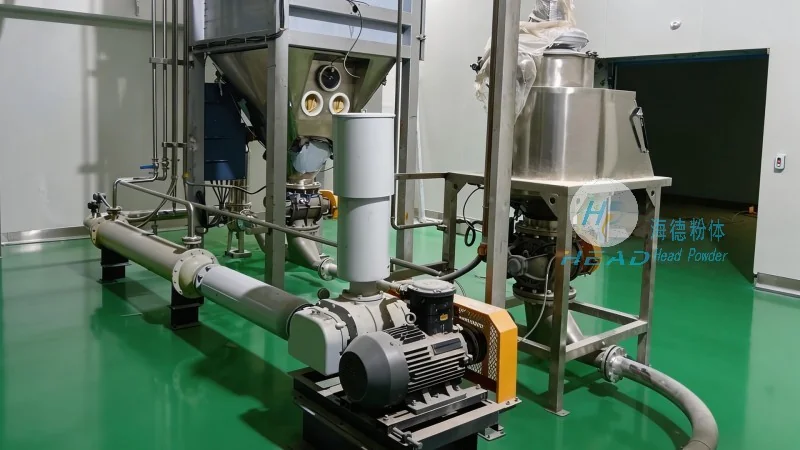
Mechanical conveyors, including belt conveyors and screw conveyors, are widely used for clay ash transport due to their robust construction and ability to handle a variety of materials. Belt conveyors use a continuous belt to transport material horizontally or at a slight incline, while screw conveyors utilize a rotating screw to push material forward. These systems are effective for moderate distances and can handle larger volumes. However, mechanical conveyors require regular maintenance to prevent wear and tear, and they may cause material degradation through friction and impact. Additionally, they are not suitable for long-distance transport or when the material is fine and dusty, as they can generate significant dust and require dust control measures.
Pneumatic Conveying: A Modern Solution
Pneumatic conveying has emerged as a preferred method for clay ash transport, especially in applications requiring high efficiency, minimal material loss, and flexible system design. Unlike gravity or mechanical systems, pneumatic conveying uses air pressure to move material through a closed pipeline system. This method offers several advantages, including the ability to transport material over long distances, handle fine and abrasive materials, and maintain material integrity. Pneumatic systems are available in two main configurations: pressure (or positive pressure) and vacuum (or negative pressure) systems, each with specific applications and performance characteristics.
HeadPowder's Pneumatic Conveying System: Advantages and Features
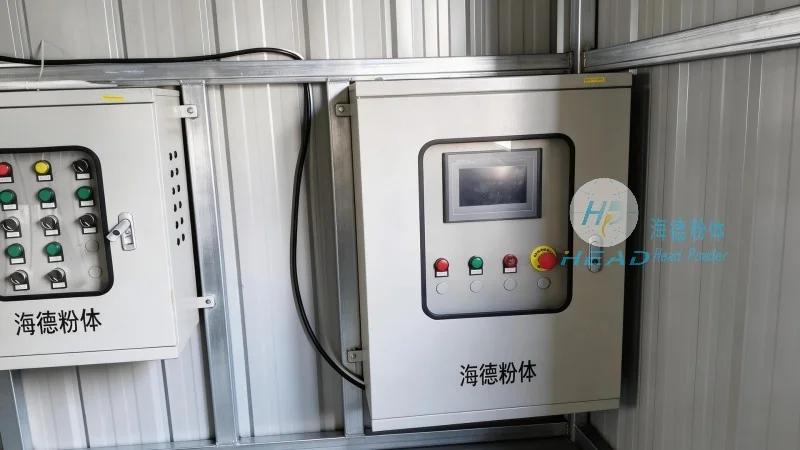
HeadPowder, a leading provider of industrial conveying solutions, specializes in developing advanced pneumatic systems tailored for clay ash handling. The company, Shandong HeadPowder Engineering Co., Ltd., combines cutting-edge technology with robust engineering to deliver a reliable and efficient solution for clients. Key advantages of HeadPowder's clay ash pneumatic conveying system include:
High Efficiency and Material Integrity
HeadPowder's pneumatic conveying system is designed to maintain the integrity of clay ash throughout the transport process. The system uses low-pressure, low-velocity air to minimize material degradation, ensuring that the final product remains consistent in quality. This is particularly important for clay ash, which is often used in applications where particle size and composition are critical, such as in cement production or as a raw material in other industrial processes. The system's ability to handle fine particles without causing breakage or agglomeration sets it apart from traditional mechanical conveyors.
Low Material Loss and Environmental Benefits
One of the significant challenges in clay ash handling is minimizing material loss and controlling dust emissions. HeadPowder's pneumatic system addresses these issues effectively. By using a closed pipeline system, the system reduces material spillage and dust generation, contributing to a cleaner and safer working environment. The system's design includes efficient dust collection and separation mechanisms, ensuring that minimal material is lost during transport. This not only improves operational efficiency but also aligns with environmental regulations and sustainability goals.
Flexible and Scalable System Design
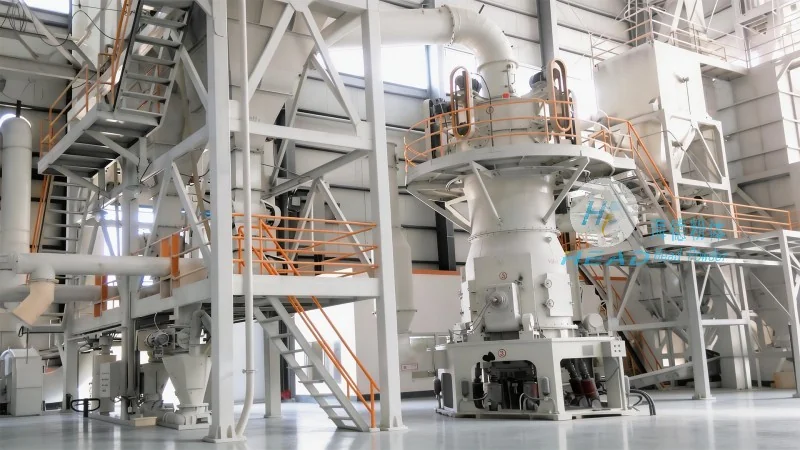
HeadPowder's pneumatic conveying system is highly flexible and can be customized to meet the specific needs of different applications. The system can be configured for both pressure and vacuum operations, allowing it to handle a wide range of material flow rates and distances. It can be integrated with existing industrial infrastructure, making it a cost-effective solution for retrofitting or expanding existing clay ash handling systems. The modular design of the system enables easy expansion or modification as production needs change, providing long-term value and adaptability.
Robust Construction and Low Maintenance
HeadPowder's pneumatic conveying system is built with high-quality materials and components to ensure durability and long service life. The system is designed to withstand the abrasive nature of clay ash, reducing the need for frequent repairs and replacements. Key components, such as airlocks, cyclone separators, and material feeders, are engineered for reliability and ease of maintenance. The company provides comprehensive maintenance services and spare parts support, ensuring that clients can keep their systems operational with minimal downtime. This focus on robust construction and low maintenance costs makes HeadPowder's system a cost-effective choice for long-term clay ash handling.
Conclusion
Clay ash conveying is a critical aspect of industrial operations, and the choice of conveying method directly impacts overall efficiency and sustainability. While traditional methods like gravity and mechanical conveyors have their uses, pneumatic conveying offers superior performance and flexibility. HeadPowder's pneumatic conveying system stands out as a leading solution, providing high efficiency, material integrity, and environmental benefits. With its robust design, low maintenance requirements, and customizable features, HeadPowder's system is well-suited for modern clay ash handling needs. As industries continue to seek more efficient and sustainable solutions, HeadPowder's expertise in pneumatic conveying will remain a valuable asset in ensuring smooth and reliable clay ash transport.

 Shandong Headpowder Engineering Co., Ltd.
 156-6277-7102(Quản lý Trương)
  0531-83386006
  Thành phố Tế Nam, Tỉnh Sơn Đông, Trung Quốc
Điện thoại
WeChatTư vấn
Lên đầu