Với hơn 10 năm kinh nghiệm về vận chuyển khí nén, Headpowder Sơn Đông cung cấp hệ thống, thiết bị và quạt gió toàn chuỗi, đảm nhận các dự án kỹ thuật bột trọn gói trên toàn quốc.
Designing a well-structured pneumatic conveying system for powder electrolytes is crucial for ensuring efficient material handling, minimizing operational risks, and optimizing production processes. The process involves careful consideration of various technical and operational factors to create a system that meets specific industrial requirements.
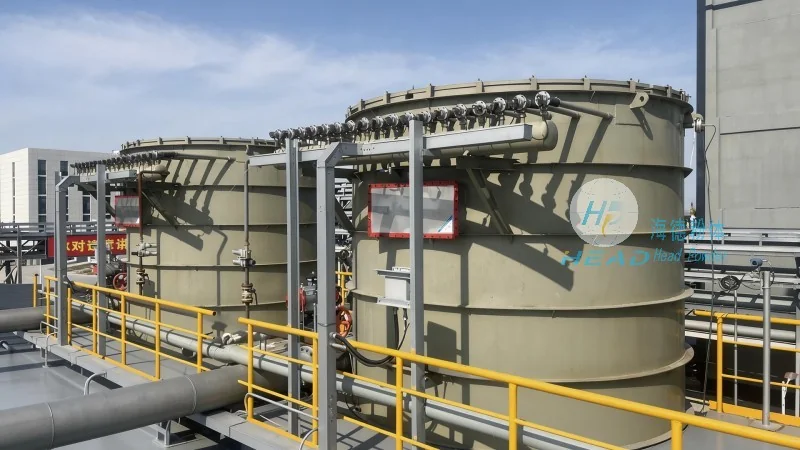
Key Considerations in System Design
When planning a pneumatic conveying system for powder electrolytes, several key factors must be evaluated to ensure optimal performance and reliability. The first step is to assess the physical properties of the powder, such as particle size distribution, moisture content, and flowability. These characteristics directly impact the selection of the conveying method—whether it's a pressure or vacuum system—and the type of equipment needed, including pumps, valves, and filters.
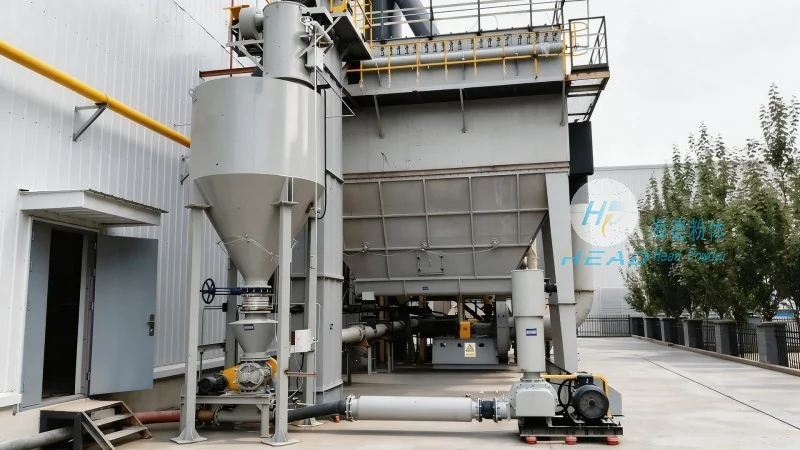
Another critical aspect is the system's capacity and throughput requirements. Determining the required flow rate and material handling volume helps in selecting the appropriate pipe diameter, air velocity, and pressure levels. For instance, high-pressure systems are often used for long-distance or high-resistance conveying, while low-pressure systems are suitable for short distances and low-resistance applications. The choice of system type—like dilute-phase or dense-phase conveying—also depends on these parameters, as each has distinct advantages in terms of energy efficiency and material handling capability.
Equipment Selection and Integration
HeadPowder, a leading engineering company based in Shandong, China, specializes in designing and implementing customized pneumatic conveying solutions for powder electrolytes. The company's expertise lies in integrating advanced equipment and technologies to meet the unique needs of clients. For example, their systems may incorporate high-efficiency pumps, such as rotary lobe or positive displacement pumps, which are ideal for handling abrasive or corrosive materials like electrolytes. Additionally, the use of high-quality filters and cyclones is essential to maintain system cleanliness and prevent material buildup in the pipeline.
The selection of pipe materials is another important consideration. Materials like stainless steel, PVC, or polyethylene are commonly used due to their resistance to corrosion and wear. The choice of pipe diameter and length affects the system's pressure drop and energy consumption. Proper sizing ensures that the system operates within optimal pressure and velocity ranges, reducing energy costs and extending equipment lifespan.
System Layout and Installation
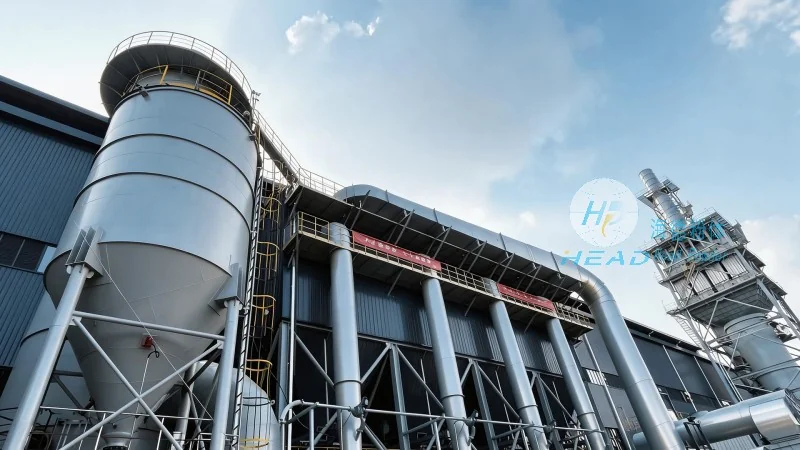
The layout of the pneumatic conveying system plays a significant role in its performance and maintenance. A well-designed layout minimizes bends, changes in direction, and vertical lifts, which can cause pressure losses and material degradation. HeadPowder engineers typically conduct thorough site assessments to determine the most efficient route for the pipeline, considering factors like existing infrastructure, space constraints, and material flow paths. This approach helps in reducing installation costs and ensuring smooth operation.
During installation, attention is paid to proper alignment and sealing of joints to prevent air leakage and material loss. Regular maintenance, including cleaning of filters and checking for wear in components, is also critical to maintain system efficiency. The company's commitment to quality and reliability ensures that their systems are built to withstand the demands of industrial environments, providing long-term performance and minimal downtime.
Optimization and Performance Monitoring
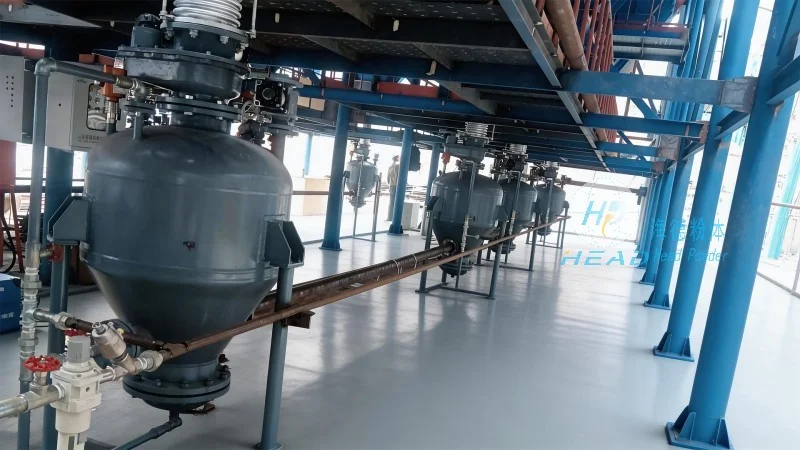
Once the system is operational, continuous monitoring and optimization are essential to maintain peak performance. HeadPowder provides clients with tools and expertise to track system performance, including pressure, flow rate, and energy consumption. By analyzing these metrics, adjustments can be made to improve efficiency, such as adjusting air velocity or modifying the system layout. This proactive approach helps in identifying potential issues early and implementing corrective measures before they lead to system failures.
The company's focus on customer satisfaction and technical support ensures that clients receive ongoing assistance to keep their pneumatic conveying systems running at optimal levels. Whether it's troubleshooting an issue or providing upgrades, HeadPowder's team of engineers is dedicated to delivering solutions that meet the evolving needs of the industry.

 Shandong Headpowder Engineering Co., Ltd.
 156-6277-7102(Quản lý Trương)
  0531-83386006
  Thành phố Tế Nam, Tỉnh Sơn Đông, Trung Quốc
Điện thoại
WeChatTư vấn
Lên đầu