Với hơn 10 năm kinh nghiệm về vận chuyển khí nén, Headpowder Sơn Đông cung cấp hệ thống, thiết bị và quạt gió toàn chuỗi, đảm nhận các dự án kỹ thuật bột trọn gói trên toàn quốc.
When designing a pneumatic conveying system for lithium battery materials, it is crucial to consider multiple factors to ensure efficiency, safety, and reliability. The system's design directly impacts the performance and longevity of the entire production line. This article will explore key considerations and best practices for creating a well-structured plan tailored to the specific needs of lithium battery material handling.
Key Components of a Lithium Battery Material Pneumatic Conveying System
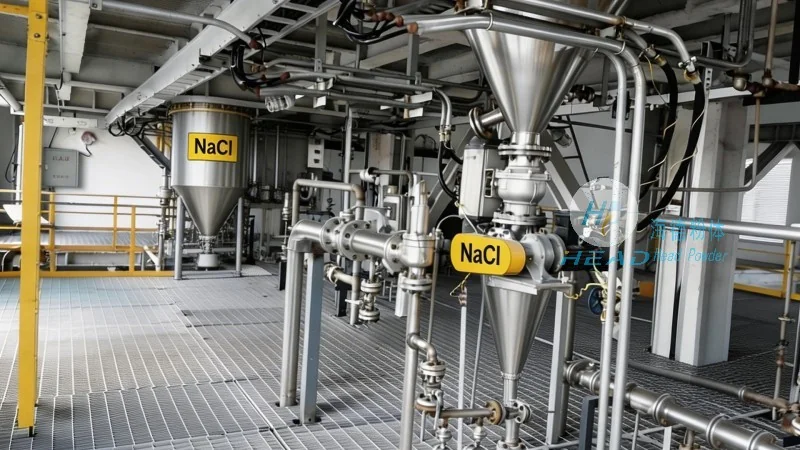
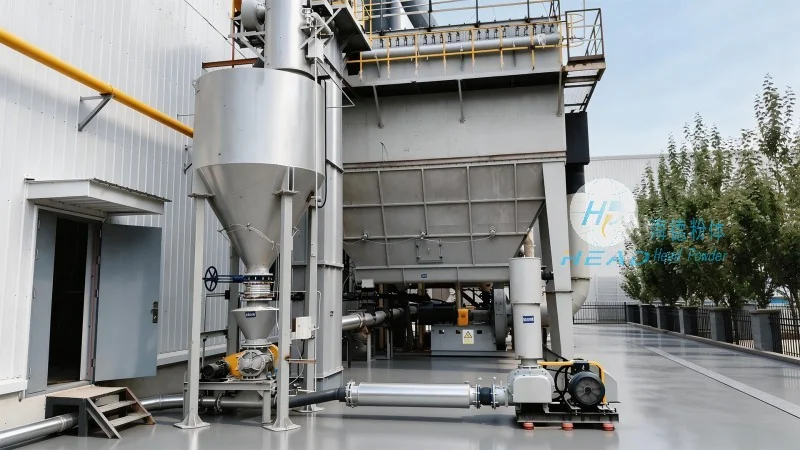
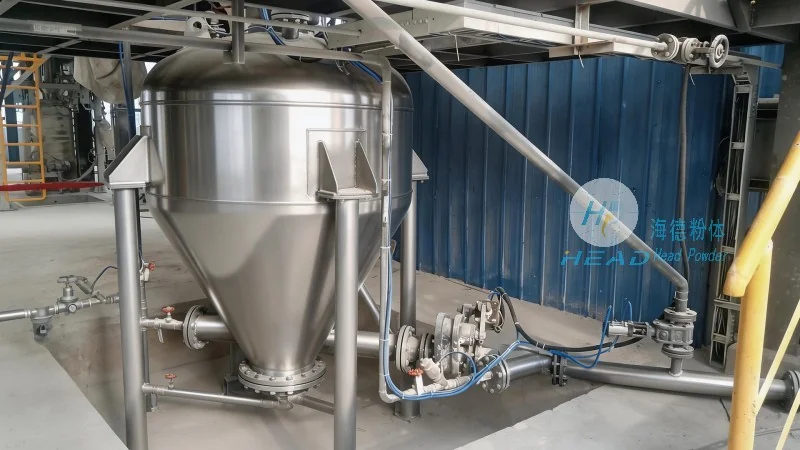
A typical pneumatic conveying system for lithium battery materials consists of several core components. These include the material feed hopper, which holds the raw materials such as lithium compounds or electrode powders. The feed hopper is equipped with a rotary valve or feeder to control the material flow into the system. The conveying line itself, which can be either positive or negative pressure, transports the material from the feed point to the discharge point. Additionally, the system may include a filter or dust collector to manage airborne particles and ensure environmental compliance. The discharge hopper or silo is where the material is deposited after conveying. Each component must be selected based on the material's properties, such as particle size, moisture content, and flowability, to prevent blockages or degradation.
Design Considerations for Material Properties
Material properties play a significant role in the design of a pneumatic conveying system. For lithium battery materials, which often include fine powders like lithium carbonate or graphite, the system must be designed to handle low bulk density and high dust generation. The selection of the conveying air velocity is critical; too low a velocity can cause material settling, while too high a velocity may lead to excessive pressure drop and energy consumption. The system's design should also account for the material's moisture content, as high moisture can affect flowability and cause caking. Proper drying or moisture control measures may be integrated into the system to maintain optimal material characteristics. Furthermore, the material's abrasiveness and potential for static electricity must be considered, as these can impact equipment wear and safety.
System Layout and Flow Optimization
The layout of the pneumatic conveying system is another critical factor in its effectiveness. The system should be designed to minimize the number of bends and changes in direction, as these can cause pressure losses and material deposition. The length and elevation changes between the feed and discharge points must be carefully calculated to ensure the system operates within its pressure and flow capabilities. The use of straight sections and gradual bends can help maintain consistent air velocity and prevent material accumulation. Additionally, the system's layout should allow for easy maintenance and access to components, such as filters and valves, to facilitate regular cleaning and inspection. Proper flow optimization ensures that the material moves smoothly through the system without interruptions or blockages, which is essential for maintaining production efficiency.
Energy Efficiency and Environmental Compliance
Energy efficiency is a key consideration in modern material handling systems. The design of the pneumatic conveying system should aim to minimize energy consumption while maintaining the required conveying capacity. This can be achieved through the selection of appropriate air velocity, the use of efficient filters, and the optimization of system pressure. The system should also be designed to comply with environmental regulations regarding dust emissions and noise levels. The inclusion of dust collection systems and noise reduction measures can help meet these requirements and ensure the system operates in an environmentally friendly manner. Additionally, the system's design should allow for easy monitoring and control of energy usage, enabling operators to adjust settings as needed to further improve efficiency.
HeadPowder's Expertise in Lithium Battery Material Conveying Solutions
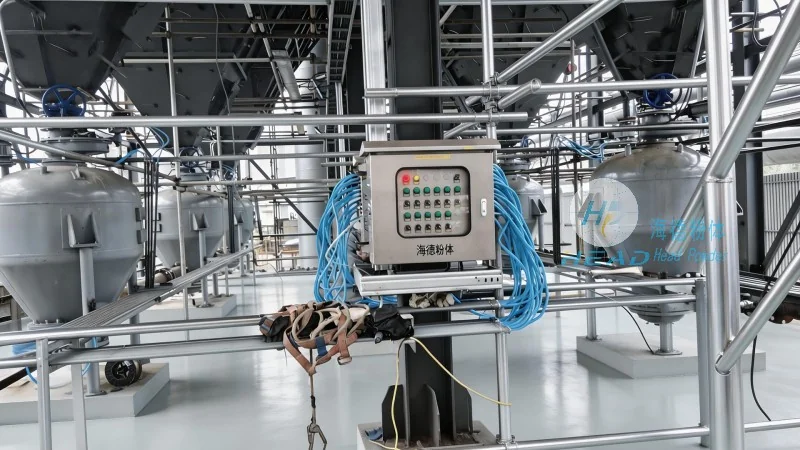
Shandong HeadPowder Engineering Co., Ltd., a leading provider of material handling solutions, specializes in designing and implementing pneumatic conveying systems for lithium battery materials. With years of experience in the industry, HeadPowder understands the unique challenges associated with handling fine, abrasive, and moisture-sensitive materials. The company's team of engineers and technicians work closely with clients to assess their specific requirements and develop customized solutions that meet their production needs. HeadPowder's systems are designed to be reliable, efficient, and cost-effective, ensuring that clients can achieve optimal performance and minimize downtime. The company's commitment to quality and customer satisfaction has made it a trusted partner for many lithium battery manufacturers in China and beyond.

 Shandong Headpowder Engineering Co., Ltd.
 156-6277-7102(Quản lý Trương)
  0531-83386006
  Thành phố Tế Nam, Tỉnh Sơn Đông, Trung Quốc
Điện thoại
WeChatTư vấn
Lên đầu