Với hơn 10 năm kinh nghiệm về vận chuyển khí nén, Headpowder Sơn Đông cung cấp hệ thống, thiết bị và quạt gió toàn chuỗi, đảm nhận các dự án kỹ thuật bột trọn gói trên toàn quốc.
When it comes to the design of a hydroxide aluminum pneumatic conveying system, a well-thought-out plan is crucial for ensuring efficient material handling and minimizing operational challenges. The process involves a comprehensive analysis of the material properties, system requirements, and operational conditions to develop a solution that meets the specific needs of the application.
Understanding the Core Requirements for Hydroxide Aluminum Conveying
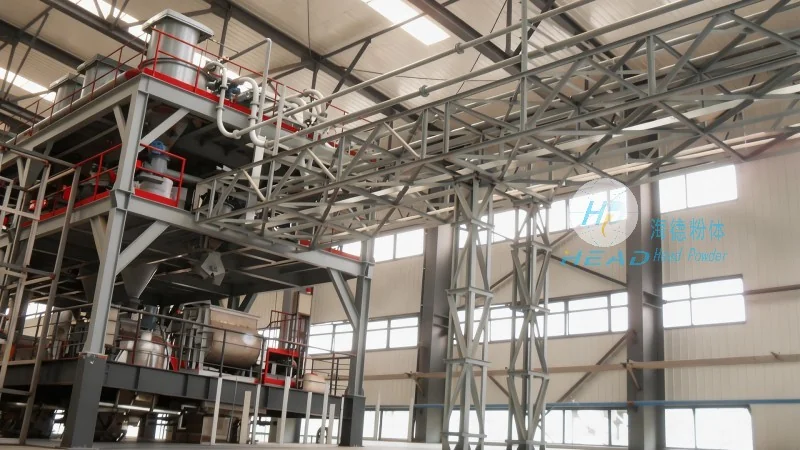
Before diving into the design specifics, it's essential to understand the unique characteristics of hydroxide aluminum. This material, often used in industrial applications, presents specific challenges related to its particle size, moisture content, and flowability. These factors directly impact the selection of the appropriate conveying method, equipment, and system configuration. A thorough assessment of the material's physical properties, such as density, particle size distribution, and cohesive behavior, is the first step in tailoring a system that can handle these characteristics effectively.
Key Design Considerations for Pneumatic Conveying Systems
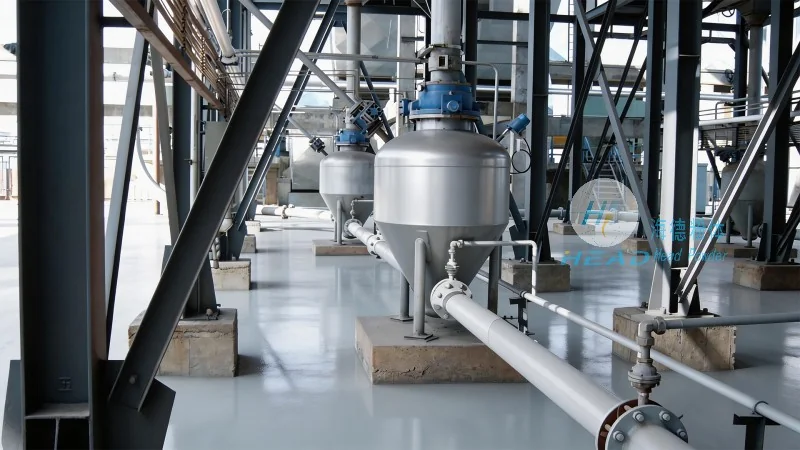
Several critical factors must be considered when designing a pneumatic conveying system for hydroxide aluminum. The first is the choice between dilute-phase and dense-phase conveying, as each has distinct advantages and limitations. Dilute-phase systems, which use low air velocity and high air-to-material ratios, are suitable for materials with good flowability and low dust generation. In contrast, dense-phase systems employ higher air pressures and lower air-to-material ratios, making them ideal for handling materials that are prone to bridging or caking. The selection of the conveying method depends on the material's properties and the distance and elevation changes required for transport.
Another crucial aspect is the system layout and equipment selection. This includes the type of feeders, such as rotary valves or screw feeders, which are responsible for introducing the material into the conveying line. The choice of feeder is critical as it must be able to handle the material's flow characteristics without causing blockages or degradation. Additionally, the selection of the conveying line diameter, length, and the use of bends or elbows require careful consideration to maintain the material's integrity and prevent pressure losses or material degradation.
Material Handling and System Integration
The design of the hydroxide aluminum pneumatic conveying system must also consider the integration with other processes and equipment. This includes the receiving and discharge equipment, such as hoppers or silos, which are used to store and feed the material into the system. The design of these components must ensure that the material is transferred smoothly and without causing contamination or degradation. Furthermore, the system must be designed to handle variations in material feed rates and flow conditions, ensuring consistent performance under different operational scenarios.
Ensuring System Efficiency and Reliability
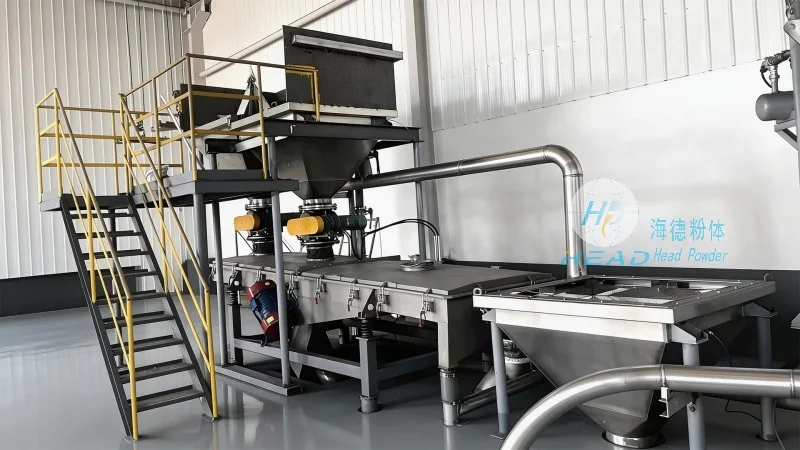
Efficiency and reliability are paramount in any pneumatic conveying system. The design must focus on minimizing energy consumption while maintaining the required conveying capacity. This involves optimizing the air velocity, pressure, and system layout to achieve the desired material flow without excessive energy use. Additionally, the system must be designed with redundancy and maintenance considerations in mind, ensuring that it can operate continuously with minimal downtime. Regular maintenance and monitoring of the system components are essential to prevent issues such as blockages, pressure drops, or equipment failure, which can impact the overall performance and efficiency of the system.
Conclusion: A Comprehensive Approach to System Design
Designing a reasonable hydroxide aluminum pneumatic conveying system requires a comprehensive approach that considers the material properties, operational requirements, and system integration. By carefully evaluating the material characteristics, selecting the appropriate conveying method and equipment, and optimizing the system layout, it is possible to develop a system that is efficient, reliable, and capable of meeting the specific needs of the application. The expertise of companies like Shandong HeadPowder Engineering Co., Ltd., with their experience in material handling and conveying systems, can be invaluable in ensuring that the design meets the highest standards of performance and reliability.

 Shandong Headpowder Engineering Co., Ltd.
 156-6277-7102(Quản lý Trương)
  0531-83386006
  Thành phố Tế Nam, Tỉnh Sơn Đông, Trung Quốc
Điện thoại
WeChatTư vấn
Lên đầu