Với hơn 10 năm kinh nghiệm về vận chuyển khí nén, Headpowder Sơn Đông cung cấp hệ thống, thiết bị và quạt gió toàn chuỗi, đảm nhận các dự án kỹ thuật bột trọn gói trên toàn quốc.
Welcome to Shandong HeadPowder Engineering Co., Ltd., a leading provider of pneumatic conveying solutions. In this guide, we explore the essential steps and considerations for designing an efficient and reliable pebble pneumatic conveying system. As a company based in Shandong, China, we specialize in engineering systems tailored to meet the unique demands of material handling in various industries.
Introduction to Pebble Pneumatic Conveying Systems
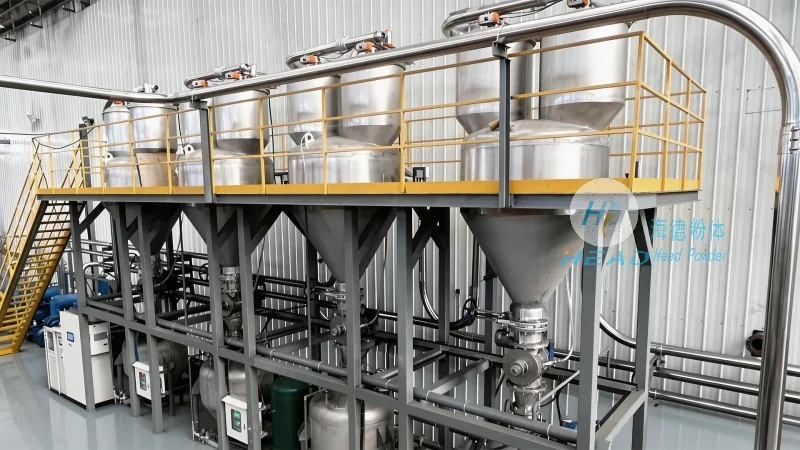
Pebble pneumatic conveying systems utilize air or other gases to transport solid materials, such as small stones or granular products, through a network of pipes. This method offers advantages over traditional mechanical conveying, including reduced maintenance, lower energy consumption, and the ability to handle materials in a dust-free environment. A well-designed system ensures optimal performance, minimizing downtime and maximizing operational efficiency.
Key Factors in System Design
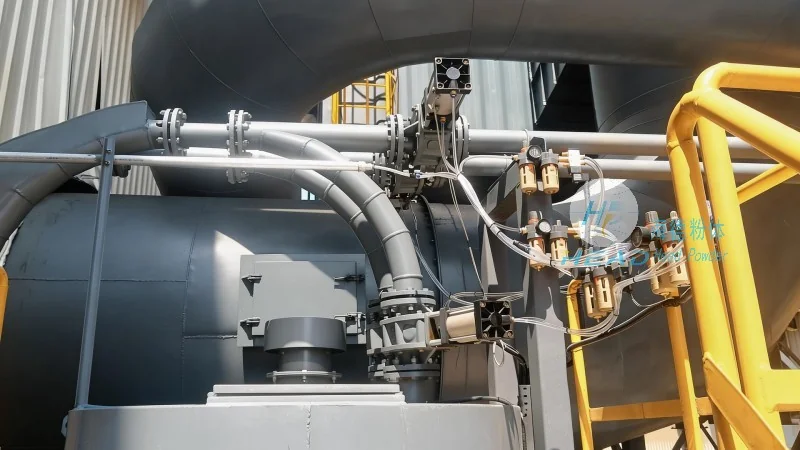
Designing a successful pebble pneumatic conveying system involves careful consideration of several critical factors. First, the physical properties of the pebbles, including size, density, and moisture content, directly impact system performance. Larger or denser pebbles may require higher air pressure and more robust components to ensure smooth transport. Additionally, the system's operating pressure and flow rate must be precisely calculated to match the material's characteristics and the required conveying distance.
Another crucial aspect is pipe sizing and layout. The diameter and length of the conveying pipes affect air velocity and pressure drop, which in turn influence the system's efficiency. Properly sized pipes minimize energy loss and prevent material buildup or blockages. The layout should also consider the vertical and horizontal distances between the loading and discharge points, as well as any obstacles or changes in elevation that may impact the conveying process.
Component Selection and Installation
The selection of key components, such as air fans, cyclones, and filters, is vital to the system's effectiveness. Air fans provide the necessary pressure and airflow to move the pebbles through the system. The choice of fan type—centrifugal, positive displacement, or rotary lobe—depends on the system's requirements, including pressure needs and material characteristics. Cyclones are used for material separation and collection, ensuring that the pebbles are efficiently discharged while the air is filtered and recycled. Filters are essential for maintaining air quality and preventing dust accumulation in the system.
Proper installation of these components is equally important. The air fan should be positioned to provide sufficient pressure, with the discharge and intake points carefully aligned to avoid turbulence or air leaks. Cyclones and filters must be installed at appropriate heights and angles to ensure effective separation and filtration. All connections and joints must be secure and airtight to prevent air loss and material leakage.
Maintenance and Optimization
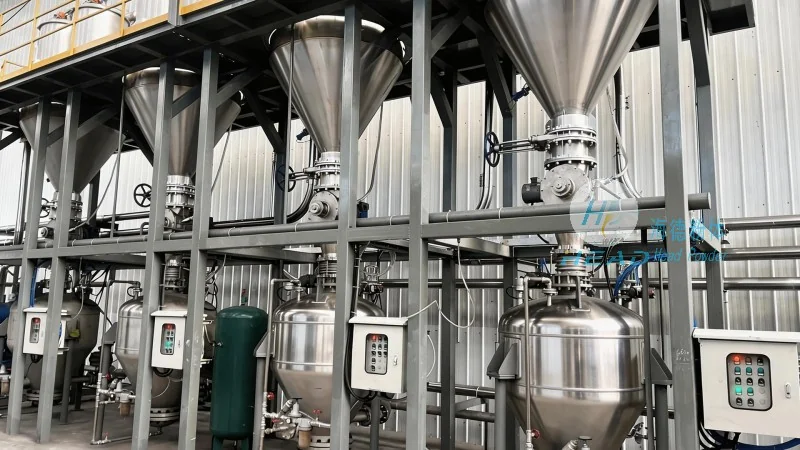
Regular maintenance is essential to keep the pebble pneumatic conveying system operating at peak efficiency. This includes monitoring air pressure and flow rates, inspecting components for wear and tear, and cleaning filters and cyclones as needed. By implementing a proactive maintenance schedule, businesses can extend the lifespan of their equipment and reduce the risk of unexpected failures.
Optimization of the system involves continuous monitoring and adjustment based on operational data. Factors such as air pressure, flow rate, and material throughput can be fine-tuned to improve performance and reduce energy consumption. For example, adjusting the fan speed or modifying the pipe layout may enhance conveying efficiency. Regular performance evaluations help identify areas for improvement and ensure the system remains aligned with the evolving needs of the operation.
About HeadPowder Engineering
Shandong HeadPowder Engineering Co., Ltd. is committed to delivering high-quality pneumatic conveying solutions tailored to the specific needs of our clients. With years of experience in the industry, we provide expert guidance and engineering support to design and implement efficient pebble pneumatic conveying systems. Our team of professionals works closely with clients to understand their requirements and develop customized solutions that meet their operational goals. Based in Shandong, China, we leverage our local expertise and resources to offer reliable and cost-effective services. Contact us today to learn more about how we can help you design a rational pebble pneumatic conveying system plan.

 Shandong Headpowder Engineering Co., Ltd.
 156-6277-7102(Quản lý Trương)
  0531-83386006
  Thành phố Tế Nam, Tỉnh Sơn Đông, Trung Quốc
Điện thoại
WeChatTư vấn
Lên đầu