Với hơn 10 năm kinh nghiệm về vận chuyển khí nén, Headpowder Sơn Đông cung cấp hệ thống, thiết bị và quạt gió toàn chuỗi, đảm nhận các dự án kỹ thuật bột trọn gói trên toàn quốc.
Refractory materials are essential components in various industrial applications, including steelmaking, cement production, and glass manufacturing. The efficient and safe transportation of these materials from storage to processing units is critical for maintaining production efficiency and minimizing operational risks. Among the various conveying methods available, refractory material pneumatic conveying systems have emerged as a preferred solution due to their versatility and effectiveness. This article provides an overview of common refractory material conveying methods, with a focus on the advantages and applications of pneumatic conveying technology.
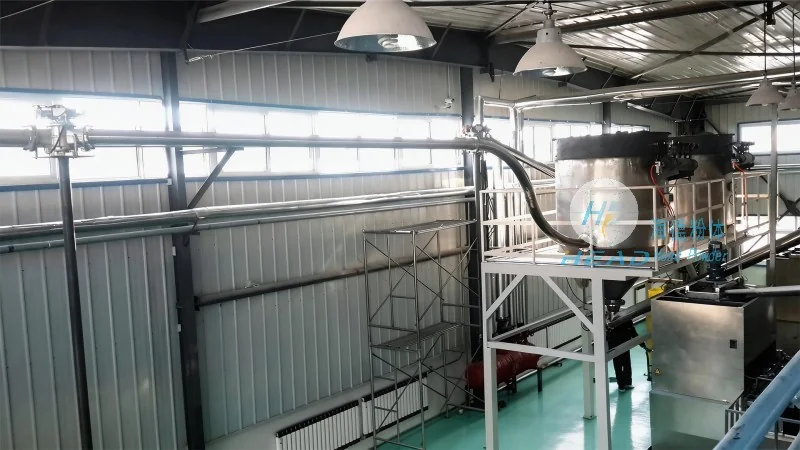
Overview of Refractory Material Conveying Methods
There are primarily two categories of refractory material conveying systems: mechanical and pneumatic. Mechanical conveying methods, such as belt conveyors, screw conveyors, and bucket elevators, rely on mechanical components to move materials. These systems are generally suitable for bulk materials with larger particle sizes and are often used in environments where dust control is less critical. However, they may face challenges with abrasive or sticky refractory materials, which can lead to increased wear and maintenance costs.
Pneumatic Conveying Systems for Refractory Materials
Refractory material pneumatic conveying systems utilize air or gas to transport materials through a pipeline. This method is particularly effective for handling fine powders and granules, which are common in refractory applications. The system typically consists of a material feed hopper, a conveyor line, and a control system. The material is fed into the hopper, and compressed air is introduced to create a flow that carries the material through the pipeline to the destination point. Pneumatic conveying offers several advantages over mechanical methods, including reduced equipment wear, lower maintenance requirements, and the ability to transport materials over longer distances without the need for multiple transfer points.
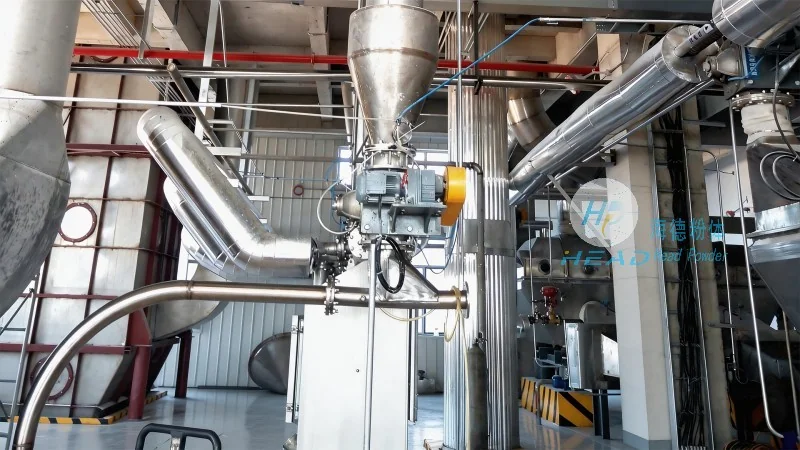
Key Advantages of Refractory Pneumatic Conveying
One of the primary benefits of refractory material pneumatic conveying is its ability to handle fine and abrasive powders without causing excessive wear on the conveying equipment. Unlike mechanical systems that rely on moving parts in contact with the material, pneumatic systems use air to transport the material, minimizing friction and wear. This results in lower maintenance costs and longer equipment lifespan. Additionally, pneumatic conveying systems are highly flexible and can be easily integrated into existing production lines. They can be adjusted to handle varying material types and flow rates, making them suitable for diverse industrial applications.
Applications in Industrial Settings
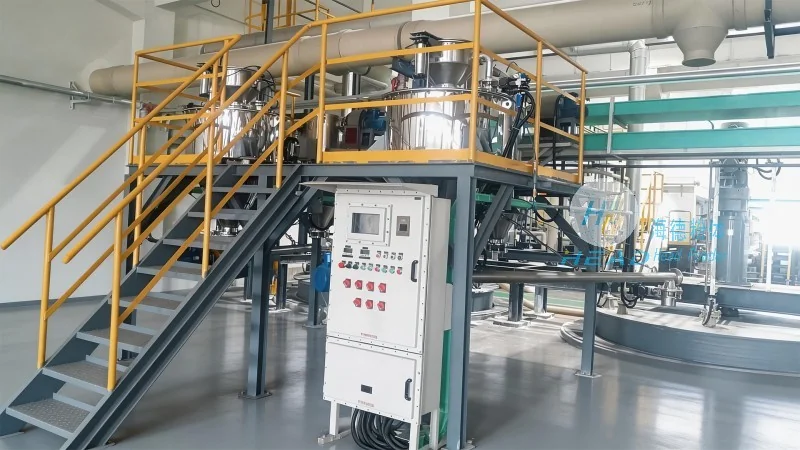
Refractory material pneumatic conveying is widely used in industries where precise material handling is essential. For example, in steel mills, these systems are used to transport raw refractory materials from storage silos to furnaces. In cement plants, they help move clinker and additives to the grinding and mixing units. The systems are also employed in glass manufacturing to convey raw materials to the melting furnaces. The ability to transport materials in a dust-free environment is particularly valuable in these industries, as it improves workplace safety and reduces the risk of material contamination.
HeadPowder's Expertise in Refractory Conveying Solutions
Shandong HeadPowder Engineering Co., Ltd. specializes in the design, manufacturing, and installation of advanced refractory material conveying systems. With years of experience in the industry, HeadPowder has developed customized solutions tailored to the specific needs of its clients. The company's pneumatic conveying systems are engineered to handle a wide range of refractory materials, including high-alumina, silica, and zirconia-based products. Each system is designed to optimize material flow, minimize energy consumption, and ensure compliance with industrial safety standards. HeadPowder's commitment to quality and innovation has made it a trusted partner for businesses seeking reliable and efficient refractory material handling solutions.
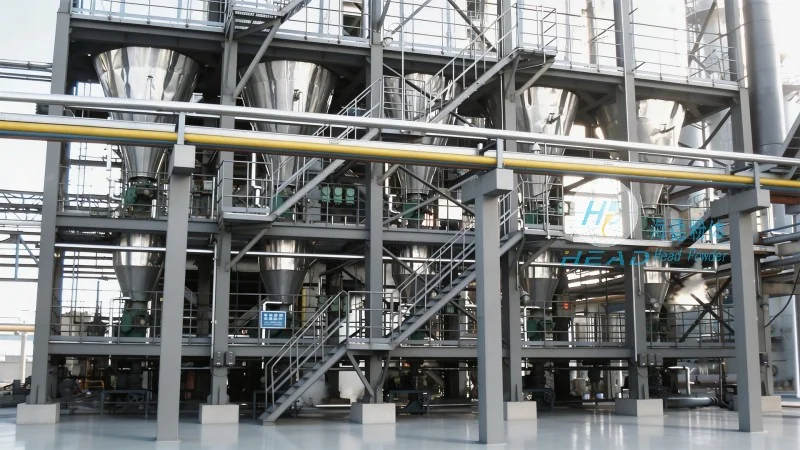
Conclusion
Efficient conveying of refractory materials is a critical aspect of industrial operations, and the choice of conveying method significantly impacts productivity and safety. While mechanical systems have their place, refractory material pneumatic conveying offers superior performance, especially for fine and abrasive materials. Companies like Shandong HeadPowder Engineering Co., Ltd. play a vital role in providing advanced conveying solutions that meet the evolving needs of modern industries. By leveraging pneumatic technology, businesses can enhance their operational efficiency, reduce costs, and ensure the safe handling of refractory materials throughout the production process.

 Shandong Headpowder Engineering Co., Ltd.
 156-6277-7102(Quản lý Trương)
  0531-83386006
  Thành phố Tế Nam, Tỉnh Sơn Đông, Trung Quốc
Điện thoại
WeChatTư vấn
Lên đầu