Với hơn 10 năm kinh nghiệm về vận chuyển khí nén, Headpowder Sơn Đông cung cấp hệ thống, thiết bị và quạt gió toàn chuỗi, đảm nhận các dự án kỹ thuật bột trọn gói trên toàn quốc.
When it comes to transporting aggregates like sand and gravel, selecting the right conveying method is crucial for efficiency and cost-effectiveness in construction and industrial applications. Various methods are available, each with its own advantages and limitations. This article explores common aggregate conveying methods, with a focus on powder gas conveying as a modern solution for handling bulk materials.
Traditional Conveying Methods
Traditional aggregate conveying often relies on mechanical systems such as belt conveyors, screw conveyors, and bucket elevators. Belt conveyors are widely used for long-distance horizontal or slight incline transport, while screw conveyors are suitable for vertical or limited horizontal movement. Bucket elevators are effective for vertical transport but can be less flexible for complex layouts. These methods are generally reliable but may face challenges with material handling, especially when dealing with abrasive or dusty aggregates. The mechanical wear and maintenance requirements can also add to operational costs over time.
Powder Gas Conveying: A Modern Solution
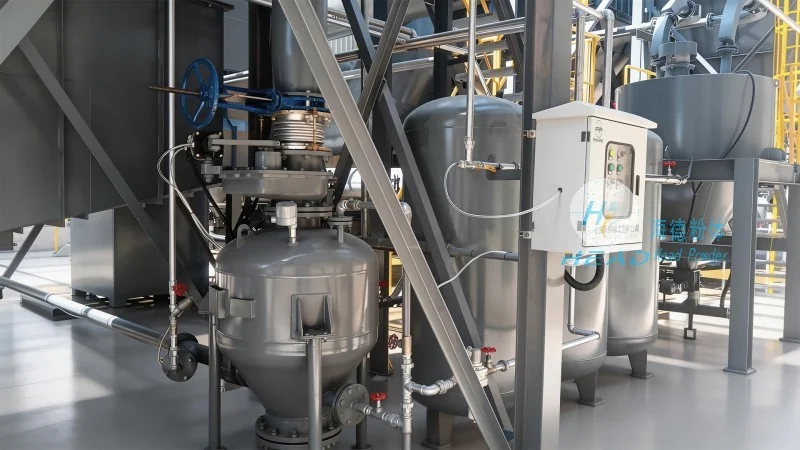
HeadPowder Engineering, a leading provider of bulk material handling solutions, specializes in powder gas conveying systems. This technology uses a combination of air and pressure to transport dry materials like aggregates through a pipeline. The system typically involves a blower or compressor that generates a high-velocity air stream, which carries the material particles through the pipeline. The key advantages of powder gas conveying include high efficiency, minimal material degradation, and the ability to transport materials over long distances without the need for multiple transfer points. Unlike traditional methods, powder gas conveying reduces the risk of dust contamination and can handle a wide range of aggregate sizes and types.
Key Features of Powder Gas Conveying Systems
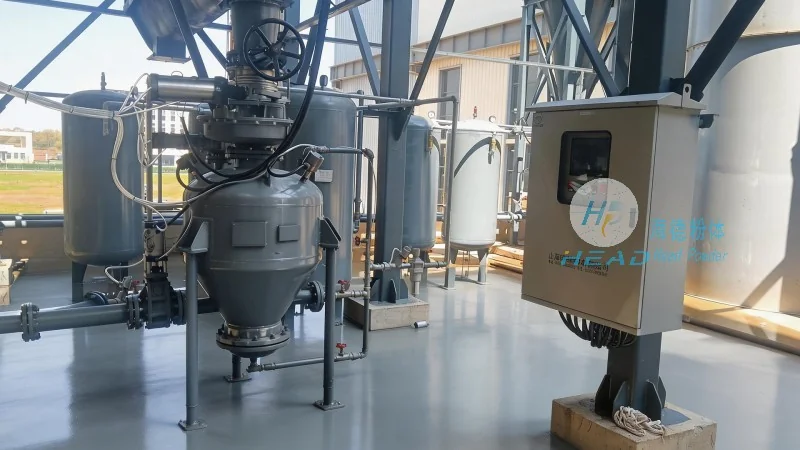
HeadPowder's powder gas conveying systems are designed with several key features to enhance performance and reliability. The systems utilize high-quality materials to resist corrosion and wear from abrasive aggregates. Advanced control systems allow for precise regulation of air pressure and flow, ensuring consistent material transport. The pipeline design minimizes pressure losses, enabling efficient long-distance transport. Additionally, the systems are equipped with safety features such as pressure relief valves and dust collection units to maintain operational safety and compliance with environmental regulations.
Applications in Construction and Industry
Powder gas conveying is increasingly adopted in construction sites, mining operations, and industrial facilities for transporting aggregates. In construction, it is used to move sand, gravel, and crushed stone from stockpiles to mixing plants or construction sites. The ability to transport materials directly to the point of use reduces labor costs and improves workflow efficiency. In mining, the system can handle raw aggregates from quarries to processing facilities, improving overall production throughput. The versatility of powder gas conveying makes it suitable for various applications, from small-scale projects to large industrial operations.
Benefits Over Traditional Methods
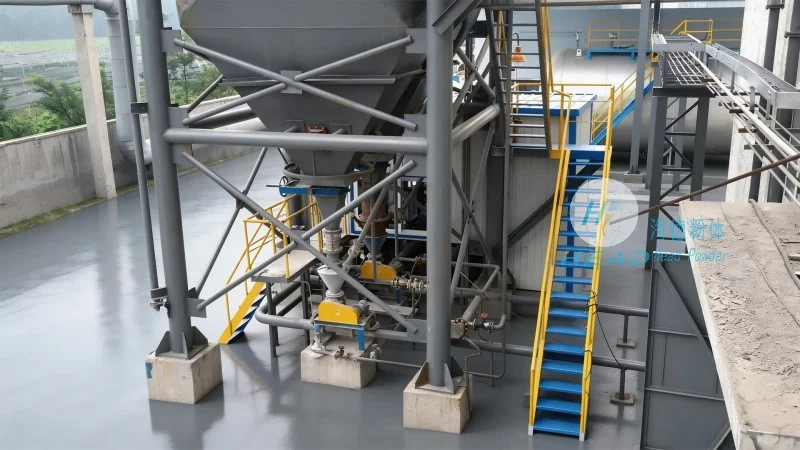
Compared to traditional mechanical conveyors, powder gas conveying offers several benefits. The most significant advantage is the reduction in material degradation, as the system minimizes physical contact and abrasion. This is particularly important for high-value aggregates that require minimal processing. Additionally, the system is more energy-efficient, as it uses less power to transport materials over long distances compared to belt or screw conveyors. The compact design of the pipeline also reduces the need for large equipment and space, making it suitable for confined areas. Maintenance costs are also lower, as there are fewer moving parts and less wear on components.
Conclusion
Choosing the right aggregate conveying method depends on the specific requirements of the application, including material type, distance, and operational constraints. While traditional methods remain viable for many applications, powder gas conveying offers a modern and efficient solution for handling bulk aggregates. HeadPowder Engineering, with its expertise in bulk material handling, provides reliable powder gas conveying systems that meet the needs of various industries. By leveraging this technology, businesses can improve operational efficiency, reduce costs, and enhance the quality of their material handling processes.

 Shandong Headpowder Engineering Co., Ltd.
 156-6277-7102(Quản lý Trương)
  0531-83386006
  Thành phố Tế Nam, Tỉnh Sơn Đông, Trung Quốc
Điện thoại
WeChatTư vấn
Lên đầu