Với hơn 10 năm kinh nghiệm về vận chuyển khí nén, Headpowder Sơn Đông cung cấp hệ thống, thiết bị và quạt gió toàn chuỗi, đảm nhận các dự án kỹ thuật bột trọn gói trên toàn quốc.
Lithium-ion battery anode materials are pivotal components in contemporary energy storage technologies, and their efficient handling is paramount for production efficiency and quality control. The choice of handling method directly influences the overall performance of the battery manufacturing process. This article provides a detailed comparison of common anode material handling methods, highlighting their advantages and disadvantages to assist manufacturers in selecting the most suitable approach.
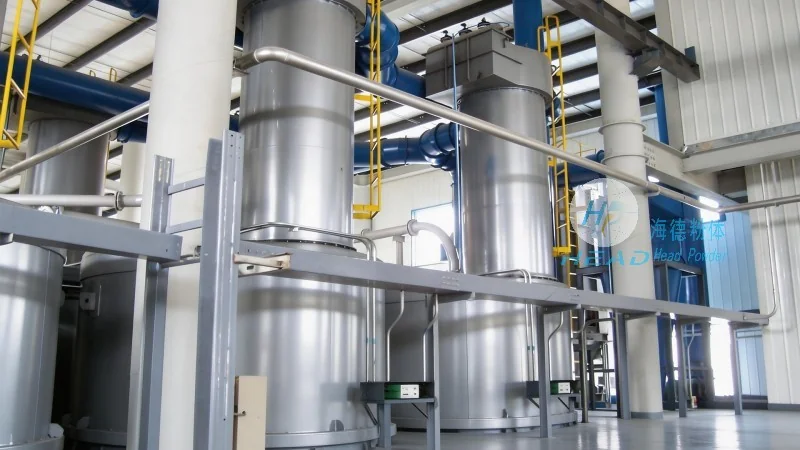
1. Vacuum Conveying System
Vacuum conveying is a widely adopted method for transporting fine powders, including lithium-ion battery anode materials. It operates by creating a negative pressure environment that draws the material from the source to the destination. The system typically comprises a vacuum pump, a hopper, and a pipeline. One of the primary advantages of vacuum conveying is its capability to handle materials with high moisture content or those prone to caking, as the low pressure minimizes the risk of material degradation. Additionally, it offers relatively low costs for small to medium-scale applications and is suitable for handling materials with low dust generation. However, vacuum conveying has limitations, such as lower conveying capacity compared to other methods and potential issues with material segregation due to flow dynamics. The system also requires regular maintenance of the vacuum pump and pipeline to ensure consistent performance.
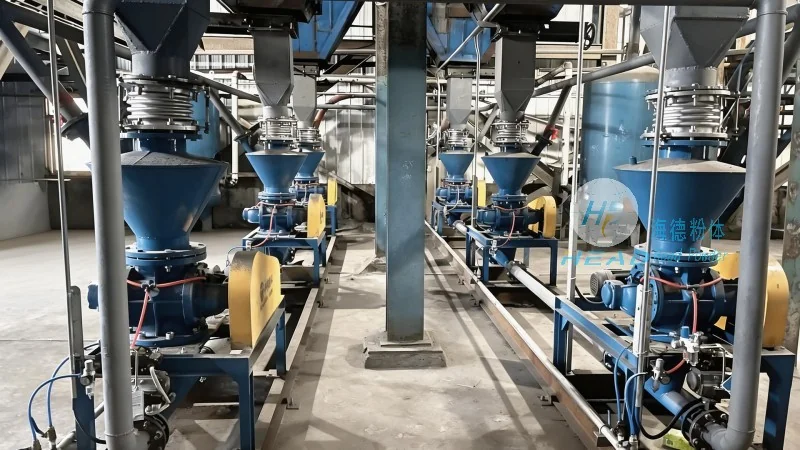
2. Pneumatic Conveying (Air-Lift)
Pneumatic conveying, also known as air-lift, utilizes compressed air to transport anode materials through a pipeline. This method is particularly effective for handling dry, free-flowing powders and can achieve higher conveying speeds and capacities compared to vacuum systems. The primary advantage of pneumatic conveying is its ability to transport materials over longer distances with fewer transfer points, which reduces the risk of material contamination and improves process efficiency. It is also suitable for handling materials sensitive to moisture or air exposure, as the sealed pipeline prevents external contamination. However, pneumatic conveying has higher energy consumption due to the need for compressed air, and it may not be suitable for materials with high moisture content or those prone to agglomeration, as the high air flow can cause material degradation. The system also requires careful design of the pipeline to prevent pressure drops and material blockages.
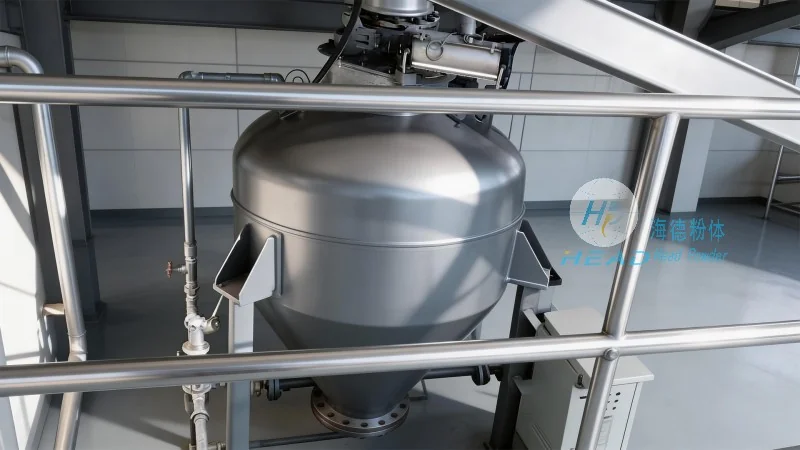
3. Mechanical Conveying (Belt and Screw)
Mechanical conveying methods, such as belt conveyors and screw conveyors, are traditional solutions for transporting bulk materials, including anode powders. Belt conveyors use a continuous belt to move materials from one point to another, while screw conveyors utilize a rotating screw to push materials forward. The main advantage of mechanical conveying is its simplicity and reliability, as it does not rely on air or vacuum systems. It is suitable for handling a wide range of materials, including those with high moisture content or those prone to caking, as the mechanical action can break up agglomerates. Additionally, mechanical conveyors are relatively low-cost and easy to maintain. However, mechanical conveying has limitations in terms of conveying distance and material flow control. It is not suitable for long-distance transport and may cause material segregation due to the different flow characteristics of various particles. The system also requires regular cleaning and maintenance to prevent material buildup and ensure smooth operation.
4. Comparison and Selection Criteria
When selecting a handling method for lithium-ion battery anode materials, manufacturers should consider several factors, including material properties, production scale, distance, and cost. Vacuum conveying is ideal for small-scale applications and materials with high moisture content, while pneumatic conveying is better suited for medium to large-scale operations and longer distances. Mechanical conveying is a cost-effective option for short-distance transport and materials with high moisture or caking tendencies. The choice of method also depends on the specific requirements of the battery manufacturing process, such as the need for material purity and the risk of contamination. It is recommended to conduct pilot tests with different methods to evaluate their performance under actual production conditions before making a final decision.
Conclusion and Company Introduction
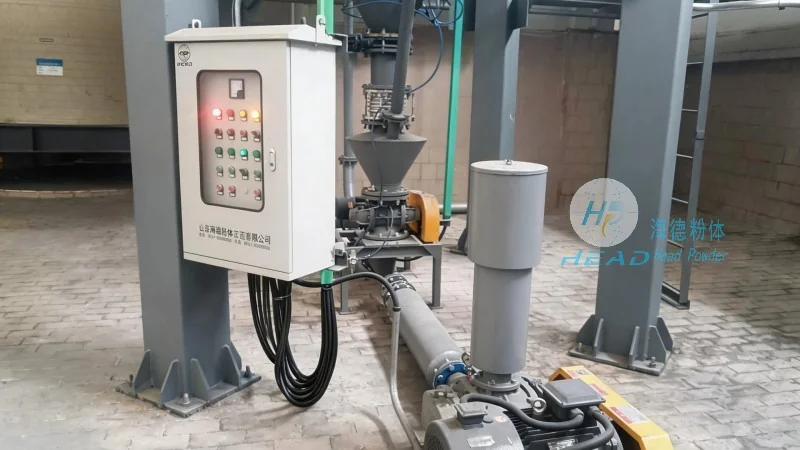
Efficient handling of lithium-ion battery anode materials is critical for optimizing battery production efficiency and ensuring product quality. The selection of the appropriate handling method depends on various factors, including material properties, production scale, and operational requirements. Shandong HeadPowder Engineering Co., Ltd., a leading provider of powder handling solutions, offers customized systems tailored to the specific needs of battery manufacturers. With years of experience in the industry, HeadPowder provides reliable and efficient solutions for anode material handling, ensuring high product quality and process stability. The company's expertise in vacuum, pneumatic, and mechanical conveying systems enables it to deliver tailored solutions that meet the unique requirements of each client. By choosing HeadPowder, manufacturers can enhance their production efficiency, reduce costs, and improve overall product performance.

 Shandong Headpowder Engineering Co., Ltd.
 156-6277-7102(Quản lý Trương)
  0531-83386006
  Thành phố Tế Nam, Tỉnh Sơn Đông, Trung Quốc
Điện thoại
WeChatTư vấn
Lên đầu