Với hơn 10 năm kinh nghiệm về vận chuyển khí nén, Headpowder Sơn Đông cung cấp hệ thống, thiết bị và quạt gió toàn chuỗi, đảm nhận các dự án kỹ thuật bột trọn gói trên toàn quốc.
When it comes to handling and transporting peas, selecting the right conveying method is crucial for efficiency, cost-effectiveness, and product quality. Different types of equipment are designed to address specific operational needs, and understanding the strengths and limitations of each method is essential for making informed decisions in agricultural and food processing operations. This article provides a detailed comparison of common pea conveying methods, focusing on their applications, advantages, and considerations for various production environments.
1. Belt Conveyors for Pea Transport
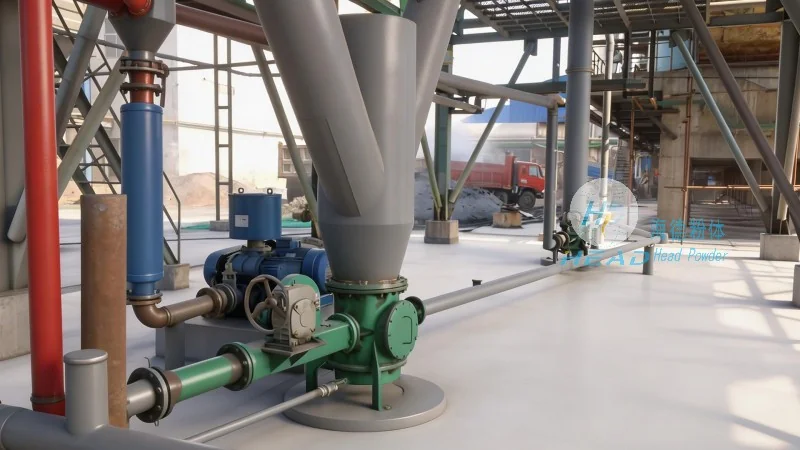
Belt conveyors are one of the most widely used systems for transporting peas due to their versatility and ability to handle a wide range of product types and volumes. These systems consist of a continuous loop of belt, supported by rollers, which moves the peas along a predetermined path. The primary advantage of belt conveyors is their high capacity and ability to transport peas over long distances with minimal energy consumption. They are particularly suitable for bulk handling in processing plants, where large quantities of peas need to be moved from storage to processing areas or between different stages of production. The smooth surface of the belt also helps to minimize product damage, preserving the quality of the peas during transit. However, belt conveyors may require regular maintenance to ensure the belt remains in good condition and to prevent issues such as slippage or belt wear. Additionally, they may not be as effective for conveying peas with high moisture content or those that are prone to sticking together, as this can lead to blockages or uneven movement.
2. Screw Conveyors for Pea Handling
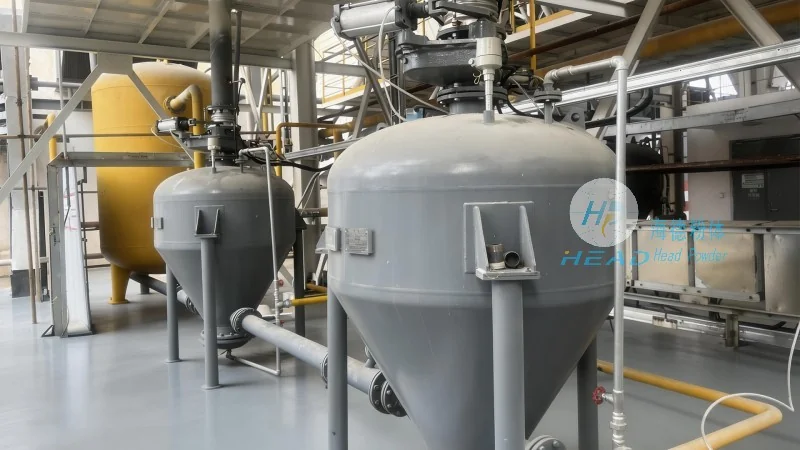
Screw conveyors, also known as auger conveyors, are another common method for transporting peas, especially in applications where vertical or inclined movement is required. These systems use a rotating screw (auger) inside a tube to move the peas along the conveyor. Screw conveyors are ideal for handling peas in a compact space, as they can be installed in a vertical or inclined position without the need for additional support structures. This makes them suitable for situations where horizontal space is limited, such as in small processing facilities or when integrating conveyors into existing equipment layouts. The main advantage of screw conveyors is their ability to handle a variety of pea sizes and shapes, including whole peas and pea pods, without the risk of damage from impact or abrasion. They also provide a relatively low-cost solution for conveying peas, as they require fewer moving parts compared to other systems. However, screw conveyors may have lower capacity compared to belt conveyors, and they can generate more heat due to friction, which may affect the temperature of the peas and potentially impact their quality. Moreover, they are not suitable for conveying peas with high moisture content, as this can lead to clogging and reduced efficiency.
3. Pneumatic Conveying Systems for Pea Transport
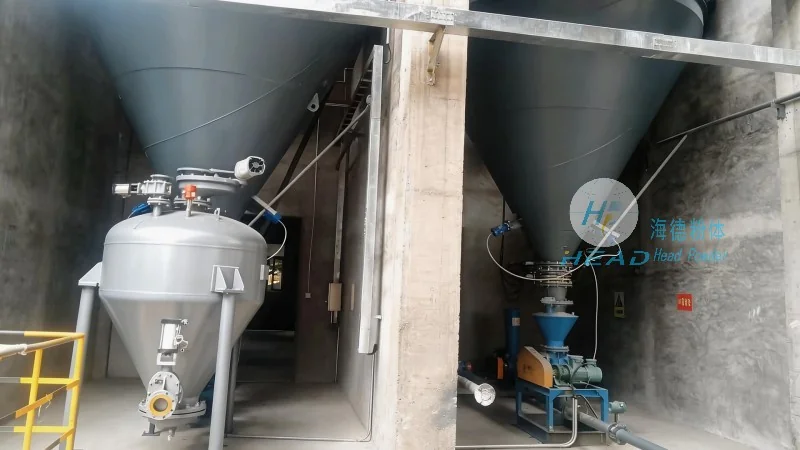
Pneumatic conveying systems use air pressure to transport peas through a pipeline, making them an excellent choice for applications that require enclosed, dust-free, and hygienic handling. These systems consist of a series of pipes connected to a blower or vacuum pump, which creates the necessary airflow to move the peas. The primary advantage of pneumatic conveying is its ability to transport peas in a completely enclosed system, which helps to maintain product quality by preventing contamination from external factors such as dust, moisture, or pests. This is particularly important for peas intended for human consumption or for use in high-quality food products. Pneumatic systems are also flexible, as they can be easily reconfigured to accommodate changes in production volume or to integrate with existing processing lines. They can transport peas over relatively long distances and can even handle vertical lifts, making them suitable for multi-level processing facilities. However, pneumatic conveying may have higher energy consumption compared to other methods, as it requires continuous air flow to maintain the movement of peas. Additionally, the system may be more complex to install and maintain, as it involves components such as filters, cyclones, and air compressors. Moreover, the cost of the equipment and the need for regular maintenance can be higher compared to other conveying methods.
4. Factors to Consider When Choosing a Pea Conveying Method
When selecting a pea conveying method, several factors need to be considered to ensure the best fit for the specific operational requirements. The first factor is the volume and type of peas being handled. For large volumes of whole peas, belt conveyors may be the most efficient choice, while screw conveyors are better suited for smaller batches or when vertical movement is required. The nature of the peas, such as their moisture content, size, and shape, also plays a role in the selection. For example, peas with high moisture content or those that tend to stick together may not be suitable for screw conveyors, as they can cause blockages. The available space and layout of the processing facility are also important considerations. If horizontal space is limited, screw or pneumatic conveyors may be more appropriate. The budget and maintenance requirements are other key factors. Belt conveyors may have lower initial costs but higher maintenance expenses, while pneumatic systems may have higher initial costs but lower maintenance needs. Finally, the desired level of product quality and hygiene should be taken into account. For high-quality, food-grade peas, pneumatic conveying may be the preferred option due to its enclosed and hygienic nature.
About Shandong HeadPowder Engineering Co., Ltd.
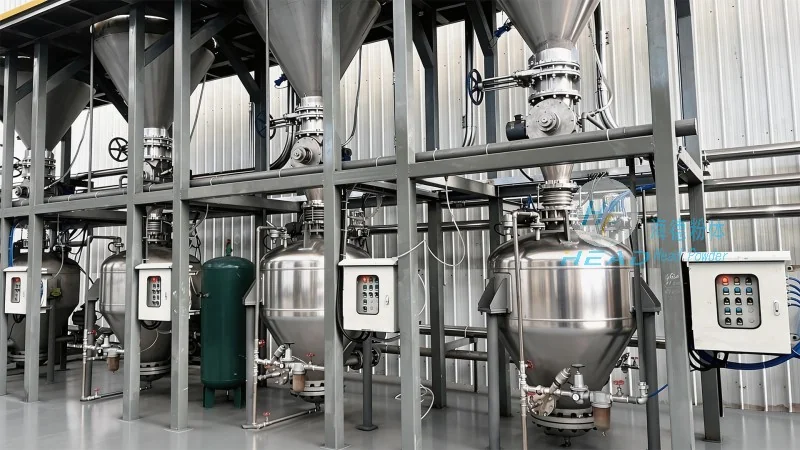
Shandong HeadPowder Engineering Co., Ltd., commonly known as HeadPowder, is a leading manufacturer of conveying and processing equipment for the agricultural and food industry. With years of experience and a commitment to innovation, HeadPowder specializes in designing and manufacturing high-quality solutions for pea handling, including belt conveyors, screw conveyors, and pneumatic systems. The company's products are known for their durability, efficiency, and reliability, making them suitable for various applications in processing plants, storage facilities, and distribution centers. HeadPowder's team of engineers and technicians work closely with clients to understand their specific needs and provide customized solutions that meet their operational requirements. The company is based in Shandong, China, and serves customers worldwide, offering comprehensive support and after-sales service to ensure customer satisfaction. Whether you are a small processing facility or a large-scale agricultural operation, HeadPowder provides the equipment and expertise to optimize your pea conveying processes and improve overall productivity.

 Shandong Headpowder Engineering Co., Ltd.
 156-6277-7102(Quản lý Trương)
  0531-83386006
  Thành phố Tế Nam, Tỉnh Sơn Đông, Trung Quốc
Điện thoại
WeChatTư vấn
Lên đầu