Với hơn 10 năm kinh nghiệm về vận chuyển khí nén, Headpowder Sơn Đông cung cấp hệ thống, thiết bị và quạt gió toàn chuỗi, đảm nhận các dự án kỹ thuật bột trọn gói trên toàn quốc.
When it comes to handling and transporting calcium sulfate, selecting the right conveying method is crucial for efficiency, cost-effectiveness, and operational safety. As a leading provider in the industry, Shandong HeadPowder Engineering Co., Ltd. (referred to as HeadPowder) understands the importance of tailored solutions for diverse applications. This article provides a detailed comparison of common calcium sulfate conveying methods, helping businesses make informed decisions based on their specific needs.
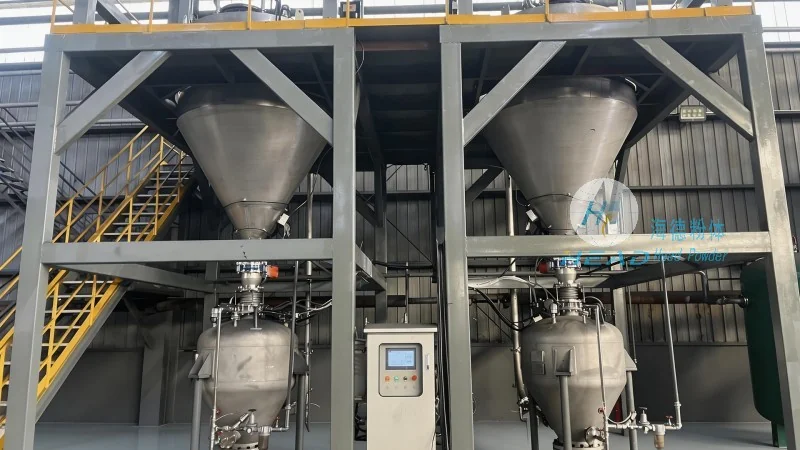
Understanding Calcium Sulfate and Conveying Challenges
Calcium sulfate, commonly known as gypsum, is widely used in construction, agriculture, and industrial processes. Its handling requires careful consideration due to its properties such as moisture sensitivity, dust generation, and varying particle sizes. Conveying systems must be designed to minimize material degradation, ensure consistent flow, and maintain hygiene standards. HeadPowder specializes in developing customized conveying solutions that address these challenges effectively.
1. Screw Conveyors: The Traditional Choice for Horizontal and Slight Inclined Transport
Screw conveyors, also known as auger conveyors, are among the most common methods for transporting calcium sulfate. These systems consist of a rotating helical screw inside a trough, which moves material from the inlet to the outlet. HeadPowder’s screw conveyors are engineered to handle bulk calcium sulfate efficiently, especially for horizontal or slight inclined applications. The key advantages include simplicity, low maintenance, and the ability to operate in a closed system, reducing dust exposure. However, screw conveyors may struggle with high-capacity or abrasive materials, and their performance can be affected by material buildup on the screw surface. For applications requiring consistent flow and minimal space, screw conveyors remain a reliable option.
2. Belt Conveyors: High-Capacity Solutions for Long-Distance Transport
Belt conveyors are ideal for long-distance transport of calcium sulfate, particularly in mining and construction sites where large volumes need to be moved over significant distances. These systems use a continuous belt looped over rollers to transport material. HeadPowder’s belt conveyor systems are designed with heavy-duty belts and robust frame structures to handle the weight and abrasiveness of calcium sulfate. The primary benefits include high throughput, low energy consumption per tonne, and the ability to operate in various environmental conditions. Belt conveyors are also suitable for transporting materials at a slight incline, making them versatile for different site layouts. However, they require regular maintenance of the belt and rollers, and their installation can be more complex and costly compared to other methods.
3. Pneumatic Conveying: Dust-Free and Flexible Transport Solutions
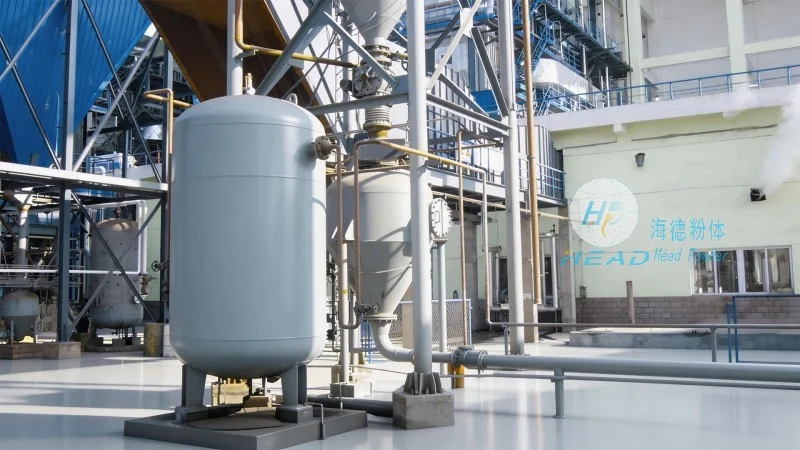
Pneumatic conveying systems use air or gas to transport calcium sulfate particles through a pipeline. This method is particularly advantageous for applications where dust control is critical, such as in food processing or pharmaceutical industries. HeadPowder offers both positive and negative pressure pneumatic conveying systems, allowing flexibility in material handling. The key benefits include dust-free operation, the ability to transport materials over long distances without intermediate storage, and reduced labor costs. Pneumatic conveying is also suitable for transporting calcium sulfate with high moisture content or fine particles. However, it may require higher energy input compared to mechanical systems, and system design must consider air pressure and flow rates carefully to prevent material blockages.
4. Bucket Elevators: Vertical Transport with High Efficiency
For vertical transport of calcium sulfate, bucket elevators are a preferred choice. These systems consist of a series of buckets attached to a chain or belt that moves vertically, lifting material from a lower to a higher level. HeadPowder’s bucket elevators are designed to handle bulk calcium sulfate efficiently, especially in applications requiring vertical movement, such as in cement plants or chemical processing facilities. The advantages include high capacity, minimal material degradation, and the ability to operate in a closed system. Bucket elevators are also suitable for transporting materials with high moisture content or sticky properties. However, they may have higher initial costs and require more maintenance compared to other vertical transport methods. Proper alignment and load distribution are critical to ensure smooth operation and prevent equipment failure.
5. Comparing Conveying Methods: Key Factors to Consider
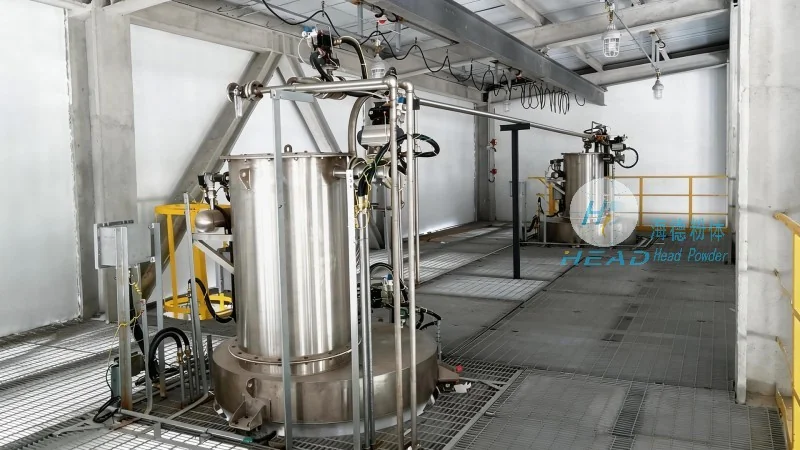
When selecting a calcium sulfate conveying method, several factors must be evaluated to ensure optimal performance and cost-effectiveness. These include the material’s characteristics (particle size, moisture content, abrasiveness), the required capacity and distance, operational environment (indoor vs. outdoor), and budget constraints. HeadPowder recommends conducting a thorough analysis of these factors before choosing a system. For example, if the application involves long horizontal distances and high capacity, a belt conveyor may be the best choice. If dust control is a priority and the material is fine, pneumatic conveying is preferable. In contrast, for vertical transport or limited horizontal space, a bucket elevator or screw conveyor might be more suitable. By understanding these trade-offs, businesses can select the most appropriate conveying method for their calcium sulfate handling needs.
Conclusion: Tailored Solutions from HeadPowder
Choosing the right calcium sulfate conveying method is essential for maximizing operational efficiency and minimizing costs. Shandong HeadPowder Engineering Co., Ltd. provides comprehensive solutions, including custom-designed conveyors, to meet the diverse needs of its clients. Whether it’s screw conveyors for simple horizontal transport or pneumatic systems for dust-free handling, HeadPowder’s expertise ensures that businesses can achieve reliable and efficient material transport. By partnering with HeadPowder, companies can enhance their calcium sulfate handling processes, improve safety, and maintain high productivity.

 Shandong Headpowder Engineering Co., Ltd.
 156-6277-7102(Quản lý Trương)
  0531-83386006
  Thành phố Tế Nam, Tỉnh Sơn Đông, Trung Quốc
Điện thoại
WeChatTư vấn
Lên đầu