Với hơn 10 năm kinh nghiệm về vận chuyển khí nén, Headpowder Sơn Đông cung cấp hệ thống, thiết bị và quạt gió toàn chuỗi, đảm nhận các dự án kỹ thuật bột trọn gói trên toàn quốc.
Algae residue, a byproduct from various industrial and agricultural processes, often requires efficient and reliable transportation methods to ensure proper handling and utilization. The process of conveying these pelletized residues involves selecting the most suitable technique based on factors such as material characteristics, distance, and operational requirements. This article explores the primary methods used for algae residue pellet conveying, providing insights into the technologies and considerations that companies like Shandong HeadPowder Engineering Co., Ltd. employ in their operations.
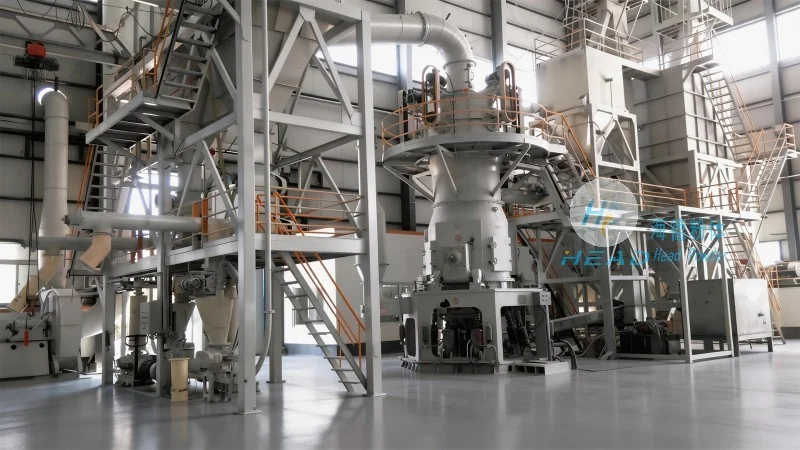
Understanding Algae Residue Pellets and Their Conveying Needs
Algae residue, derived from the processing of microalgae for biofuel, food, or other applications, is typically converted into pellets for easier storage, transport, and handling. These pellets have specific properties, including moisture content, density, and abrasiveness, which influence the choice of conveying system. Effective conveying ensures minimal material loss, reduced equipment wear, and consistent flow rates, all critical for maintaining operational efficiency. Shandong HeadPowder Engineering Co., Ltd., a leading provider in the field, recognizes these challenges and offers tailored solutions to meet diverse client needs.
Common Conveying Methods for Algae Residue Pellets
Several methods are commonly employed for transporting algae residue pellets, each with its own advantages and limitations. The selection of a method depends on the specific characteristics of the material and the operational environment. Key techniques include:
1. Mechanical Conveyors
Mechanical conveyors are among the most widely used systems for transporting bulk materials like algae residue pellets. These systems utilize a continuous belt or chain to move material from one point to another. The primary types include:
Belt Conveyors: These are flexible and can handle a wide range of material types and capacities. They are suitable for horizontal and slight incline applications, making them ideal for transporting pellets over short to medium distances. Belt conveyors are known for their low maintenance and ability to operate in various environmental conditions.
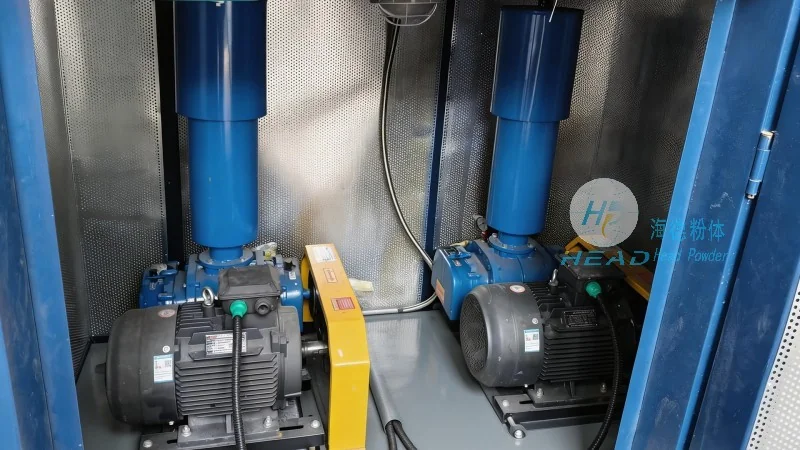
Pneumatic Conveyors: Also known as air slides, these systems use air pressure to move pellets through a pipeline. They are particularly effective for handling fine or dusty materials and can transport pellets over longer distances with minimal loss. Pneumatic conveyors are often preferred in applications where dust control is a priority.
Chain and Flight Conveyors: These conveyors use a series of flights attached to a chain to move material. They are suitable for vertical or steep incline applications and can handle materials with higher moisture content or bulk density. Chain and flight conveyors are commonly used in processing plants where precise control over material flow is required.
2. Hydraulic Conveying
Hydraulic conveying systems utilize water or other liquids to transport algae residue pellets. This method is particularly effective for materials with high moisture content or those that are prone to clogging. The pellets are suspended in the liquid and transported through pipelines. Hydraulic conveyors are often used in applications where the material needs to be transported over long distances or through complex layouts. However, they require additional equipment for liquid management and may have higher operational costs compared to mechanical systems.
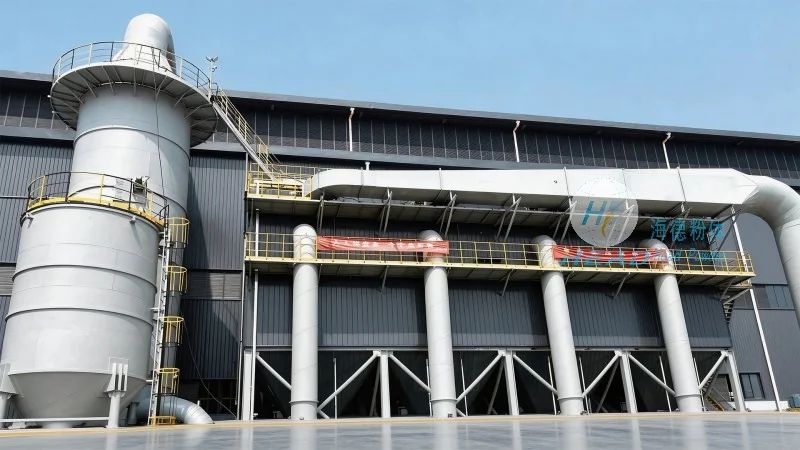
3. Screw Conveyors
Screw conveyors, also known as auger conveyors, use a rotating screw to move material along a trough. They are suitable for transporting pellets over short to medium distances and are commonly used in processing plants for feeding or transferring material to other equipment. Screw conveyors are known for their simplicity and low maintenance, making them a cost-effective option for many applications. However, they may not be suitable for materials with high abrasiveness or those that tend to accumulate on the screw surface.
4. Air-Lift Conveyors
Air-lift conveyors use a combination of air and a vertical pipe to transport pellets. The system works by creating a pressure difference that lifts the material through the pipe. This method is particularly effective for transporting pellets vertically over short distances. Air-lift conveyors are often used in applications where space is limited or where the material needs to be elevated to a higher level. They are known for their low energy consumption and ability to handle materials with varying densities.
Considerations for Selecting the Right Conveying Method
When choosing a conveying method for algae residue pellets, several factors must be considered to ensure optimal performance and efficiency. These include:
Material Properties: The characteristics of the pellets, such as moisture content, density, and abrasiveness, play a crucial role in determining the most suitable conveying system. For example, abrasive materials may require more robust equipment to minimize wear and tear.
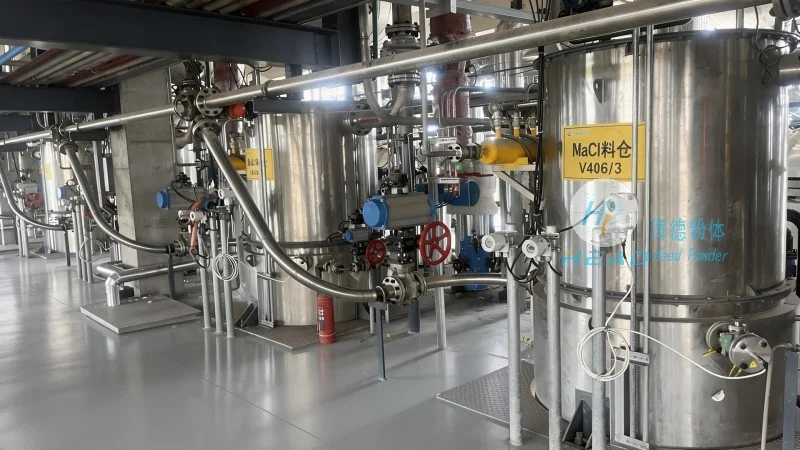
Transport Distance: The distance over which the pellets need to be transported influences the choice of method. Short distances may be suitable for mechanical conveyors, while longer distances may require pneumatic or hydraulic systems.
Environmental Factors: The operational environment, including temperature, humidity, and dust levels, can impact the selection of a conveying system. For instance, in dusty environments, pneumatic conveyors may be preferred to control dust emissions.
Operational Costs: The initial investment and ongoing maintenance costs of each system must be evaluated. Companies like Shandong HeadPowder Engineering Co., Ltd. provide comprehensive assessments to help clients choose the most cost-effective solution.
Conclusion
Efficient conveying of algae residue pellets is essential for the smooth operation of processing facilities. By understanding the various methods available and considering the specific needs of the application, companies can select the most appropriate system. Shandong HeadPowder Engineering Co., Ltd., with its expertise in bulk material handling, offers tailored solutions that address the unique challenges of algae residue processing. Whether through mechanical, pneumatic, hydraulic, or other systems, the goal is to ensure reliable, cost-effective, and environmentally friendly transportation of these valuable byproducts.

 Shandong Headpowder Engineering Co., Ltd.
 156-6277-7102(Quản lý Trương)
  0531-83386006
  Thành phố Tế Nam, Tỉnh Sơn Đông, Trung Quốc
Điện thoại
WeChatTư vấn
Lên đầu