Với hơn 10 năm kinh nghiệm về vận chuyển khí nén, Headpowder Sơn Đông cung cấp hệ thống, thiết bị và quạt gió toàn chuỗi, đảm nhận các dự án kỹ thuật bột trọn gói trên toàn quốc.
When it comes to the efficient and reliable delivery of epoxy resin, selecting the right transportation method is crucial for maintaining product quality and operational efficiency. As a leading provider in the industry, Shandong HeadPowder Engineering Co., Ltd. specializes in offering tailored solutions for epoxy resin handling and transportation. This article explores the common methods used for epoxy resin transportation, highlighting the key considerations and applications for each approach.
1. Pneumatic Conveying Systems
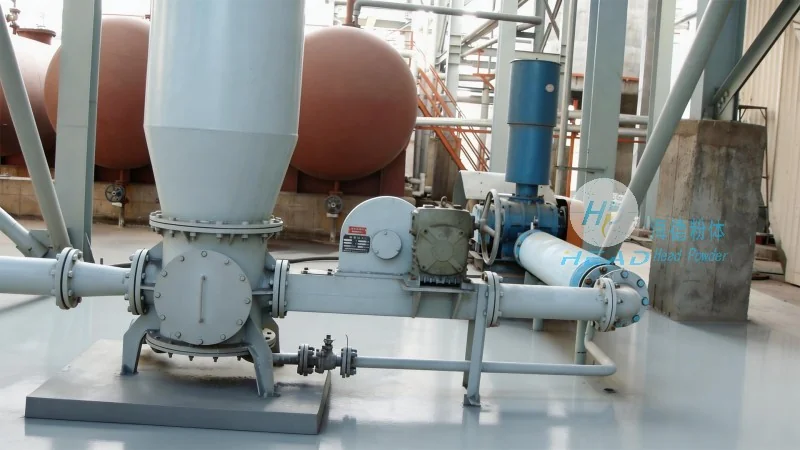
Pneumatic conveying systems utilize air or other gases to transport epoxy resin particles or liquids through a network of pipes. This method is particularly effective for handling fine powders and granules, as it minimizes product degradation and contamination. The system typically consists of a hopper, a rotary valve, and a conveyor line, with air pressure controlling the flow of resin. Pneumatic conveying offers advantages such as low maintenance, flexibility in layout, and the ability to transport materials over long distances. However, it requires careful control of air pressure and moisture to prevent clogging or material degradation. Shandong HeadPowder Engineering Co., Ltd. has extensive experience in designing and implementing pneumatic conveying systems tailored to specific epoxy resin applications, ensuring optimal performance and reliability.
2. Hydraulic Pumping Systems
Hydraulic pumping systems are widely used for transporting liquid epoxy resin, especially in industrial settings where high pressure and flow rates are required. These systems typically employ positive displacement pumps, such as gear pumps or piston pumps, to move the resin through pipelines. The hydraulic system provides consistent pressure and flow, ensuring smooth operation in production lines. Key advantages include high efficiency, precise control over resin delivery, and the ability to handle viscous materials without clogging. However, hydraulic systems require regular maintenance to prevent wear and tear, and they may be less suitable for transporting fine powders due to the risk of particle accumulation in the pump. Shandong HeadPowder Engineering Co., Ltd. offers advanced hydraulic pumping solutions that integrate with existing production infrastructure, enhancing operational efficiency and reducing downtime.
3. Gravity Flow Conveying
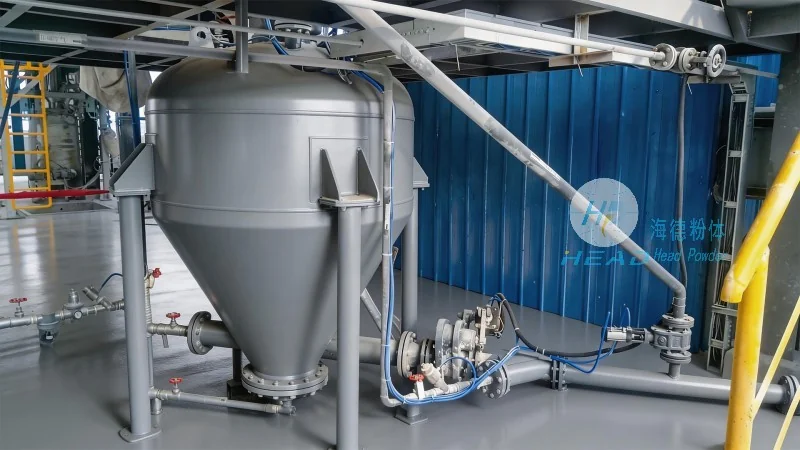
Gravity flow conveying relies on the natural force of gravity to move epoxy resin from a higher elevation to a lower point. This method is commonly used for transporting bulk liquids or semi-liquid resins in vertical or inclined pipelines. The system typically includes a storage tank, a flow control valve, and a sloped pipe, allowing the resin to flow under gravity. Gravity flow is cost-effective and requires minimal energy input, making it ideal for applications where the vertical distance is significant and the resin viscosity is low. However, it is limited by the need for a suitable elevation difference and may not be suitable for long horizontal distances or high-viscosity materials. Shandong HeadPowder Engineering Co., Ltd. designs gravity flow systems that optimize the slope and pipe diameter to ensure consistent flow rates, minimizing the risk of stagnation or clogging.
4. Screw Conveyors and Auger Pumps
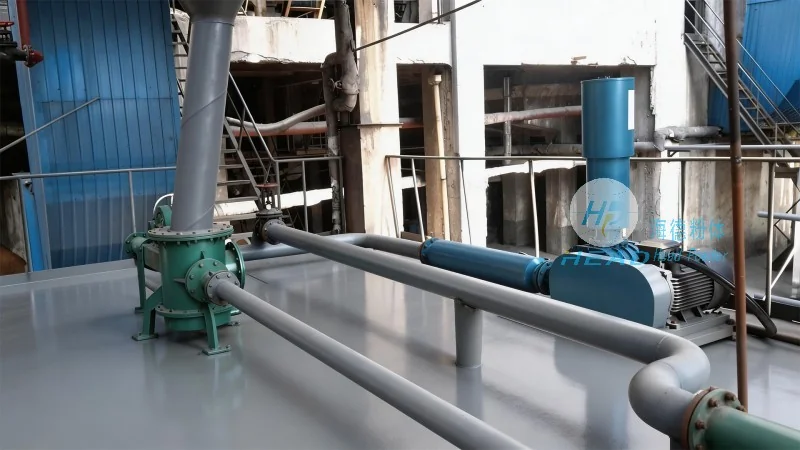
Screw conveyors and auger pumps are mechanical devices that use rotating screws to transport solid epoxy resin powders or granules. These systems are highly effective for handling dry materials and can be integrated with other processing equipment, such as mixers or reactors. The screw rotates inside a trough, pushing the resin forward through the system. Screw conveyors offer advantages such as low maintenance, compact design, and the ability to transport materials at varying speeds. However, they may generate heat due to friction, which can affect the resin's properties, especially for heat-sensitive materials. Shandong HeadPowder Engineering Co., Ltd. provides customized screw conveyor solutions that incorporate temperature control and material handling features, ensuring the integrity of epoxy resin during transport.
5. Bulk Bag and Container Handling
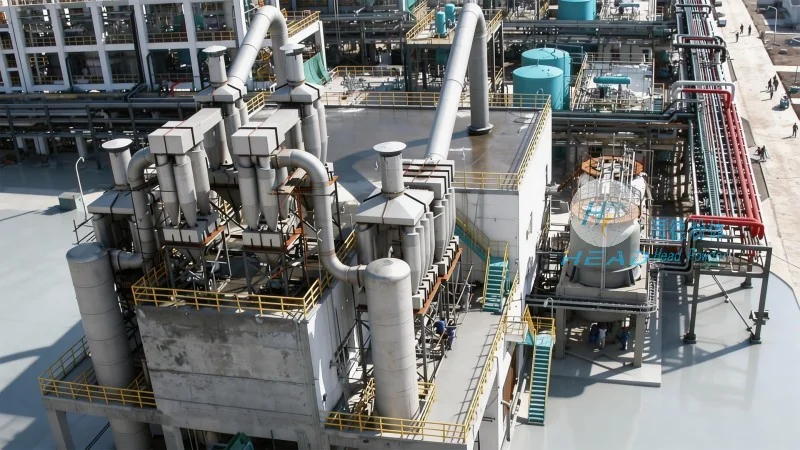
Bulk bag and container handling methods are essential for transporting epoxy resin in bulk quantities, especially for distribution to end-users. These systems involve loading resin into flexible bulk bags or rigid containers at the production facility and then transporting them to the customer's site. The process typically includes a loading station, a forklift or crane for handling the bags, and a transportation vehicle. Bulk bag handling offers advantages such as cost-effectiveness for large volumes and ease of storage and transport. However, it requires proper handling to prevent spillage and contamination, and the resin must be properly sealed to maintain quality during transit. Shandong HeadPowder Engineering Co., Ltd. specializes in bulk handling solutions that ensure compliance with industry standards and minimize product loss during transportation.
6. Considerations for Selecting the Right Epoxy Resin Transportation Method
Choosing the appropriate epoxy resin transportation method depends on several factors, including the resin's physical properties (e.g., viscosity, particle size), the distance to be transported, the required flow rate, and the operational environment. For example, pneumatic conveying is ideal for fine powders, while hydraulic pumping is better suited for liquid resins. The choice also considers the cost of installation, maintenance, and energy consumption. Shandong HeadPowder Engineering Co., Ltd. works closely with clients to assess their specific needs and recommend the most suitable transportation method, ensuring optimal performance and cost-effectiveness. By selecting the right system, manufacturers can enhance production efficiency, reduce downtime, and maintain the quality of their epoxy resin products.

 Shandong Headpowder Engineering Co., Ltd.
 156-6277-7102(Quản lý Trương)
  0531-83386006
  Thành phố Tế Nam, Tỉnh Sơn Đông, Trung Quốc
Điện thoại
WeChatTư vấn
Lên đầu