Với hơn 10 năm kinh nghiệm về vận chuyển khí nén, Headpowder Sơn Đông cung cấp hệ thống, thiết bị và quạt gió toàn chuỗi, đảm nhận các dự án kỹ thuật bột trọn gói trên toàn quốc.
Nanoscale calcium carbonate (nCC) is a widely used industrial material, prized for its high surface area and fine particle size, which contribute to enhanced performance in various applications such as plastics, coatings, and paper. The unique properties of nCC, however, also present challenges during transportation, as its fine particles can lead to issues like agglomeration and blockage in traditional conveying systems. To ensure efficient and reliable delivery of nCC to production lines, manufacturers often rely on specialized transportation methods tailored to the material's characteristics. This article explores the common methods used for the transportation of nanoscale calcium carbonate, highlighting their advantages, applications, and considerations for implementation.
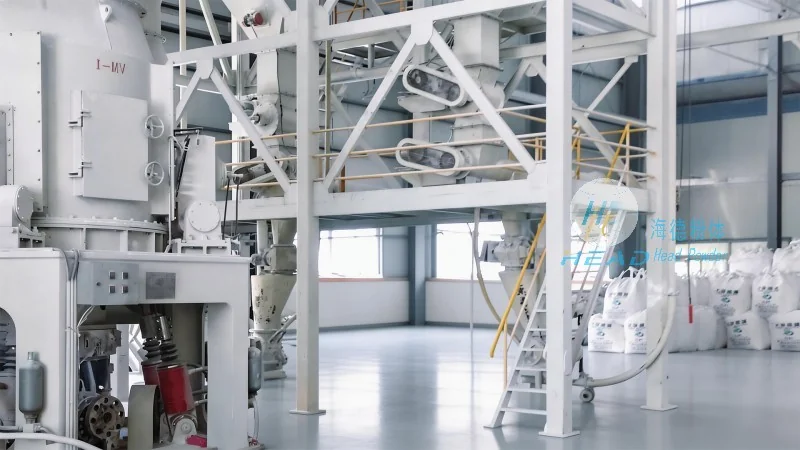
1. Positive Pressure Pneumatic Conveying
Positive pressure pneumatic conveying is one of the most common methods for transporting nanoscale calcium carbonate. This system operates by using a positive pressure air stream to move material through a pipeline. The material is fed into the conveying line from a hopper or feeder, and the air pressure pushes the particles forward. A key advantage of this method is its ability to handle fine powders without causing excessive wear on equipment, as the air flow helps to keep particles suspended and prevents them from settling or sticking to the pipeline walls. Positive pressure systems are particularly effective for short to medium distance conveying, and they can be configured with multiple inlets and outlets, making them suitable for complex production layouts. The equipment typically includes a blower, a hopper with a feeder, and a pipeline network. The air pressure is carefully controlled to maintain a consistent flow rate, which is critical for preventing material buildup and ensuring smooth operation. This method is widely used in the plastics and rubber industries, where nCC is often added as a filler to improve mechanical properties.
2. Negative Pressure Pneumatic Conveying
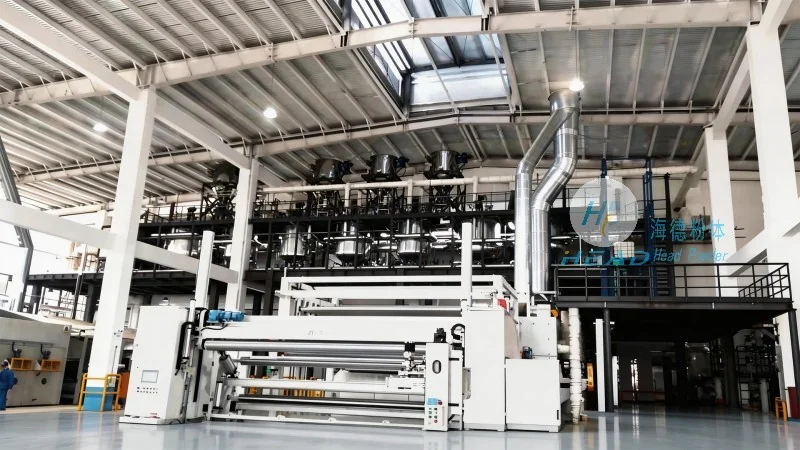
Negative pressure pneumatic conveying, also known as vacuum conveying, is another common approach for transporting nanoscale calcium carbonate. Unlike positive pressure systems, this method uses a vacuum to draw material from a source into a collection point. The vacuum is created by a fan or vacuum pump, which pulls air and material through the pipeline. Negative pressure systems are often preferred for longer conveying distances or when the material needs to be transported from a lower elevation to a higher one. They are also beneficial for applications where dust control is a priority, as the sealed pipeline prevents particles from escaping into the environment. The system typically includes a vacuum source, a hopper, and a collection vessel. The vacuum level is adjusted to maintain a stable flow rate, and the pipeline is equipped with filters to prevent dust from escaping. Negative pressure conveying is commonly used in the paper and coatings industries, where nCC is used as a filler to enhance brightness and opacity.
3. Mechanical Conveying with Specialized Equipment
For applications where pneumatic systems are not feasible or cost-effective, mechanical conveying methods are employed. These include screw conveyors, belt conveyors, and bucket elevators, which are adapted to handle fine powders like nCC. To prevent clogging and ensure smooth operation, these systems often incorporate features such as variable speed drives, anti-static coatings, and self-cleaning mechanisms. For example, a screw conveyor with a high-speed, low-torque motor can effectively transport nCC through a vertical or inclined pipeline. The material is fed into the screw, and the rotating helical blade pushes it forward. To minimize friction and prevent agglomeration, the screw surface may be coated with a non-stick material or treated with anti-static properties. Belt conveyors are another option, especially for horizontal or slightly inclined transport. They are often equipped with adjustable speed controls and material feeders to maintain a consistent flow rate. Mechanical conveyors are typically used for shorter distances and lower throughput compared to pneumatic systems, but they offer a cost-effective solution for certain applications. They are commonly used in the chemical and food industries, where nCC is used as a filler or additive.
4. Hybrid Conveying Systems
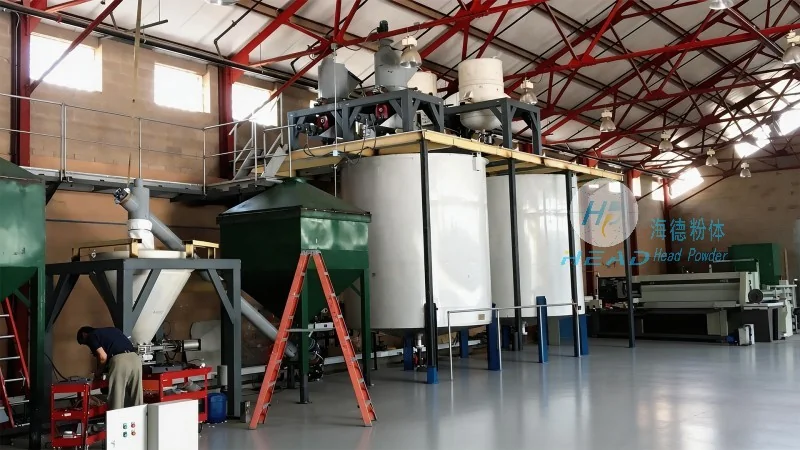
Hybrid conveying systems combine elements of both pneumatic and mechanical methods to leverage the advantages of each. For instance, a system may use a positive pressure blower to transport nCC over a short horizontal distance, and then switch to a mechanical conveyor for vertical or inclined transport. This approach allows for flexibility in the conveying process, as it can adapt to varying distances and elevation changes. Hybrid systems are often used in large-scale production facilities where different sections of the plant require different transportation methods. The integration of pneumatic and mechanical components requires careful design to ensure smooth transitions and consistent flow rates. This method is particularly useful for complex production lines that involve multiple processing stages and material transfers. The use of hybrid systems can improve overall efficiency and reduce downtime by minimizing the need for multiple separate conveying lines.

 Shandong Headpowder Engineering Co., Ltd.
 156-6277-7102(Quản lý Trương)
  0531-83386006
  Thành phố Tế Nam, Tỉnh Sơn Đông, Trung Quốc
Điện thoại
WeChatTư vấn
Lên đầu