Với hơn 10 năm kinh nghiệm về vận chuyển khí nén, Headpowder Sơn Đông cung cấp hệ thống, thiết bị và quạt gió toàn chuỗi, đảm nhận các dự án kỹ thuật bột trọn gói trên toàn quốc.
When it comes to the efficient handling and transportation of battery materials, selecting the right conveyance method is crucial for optimizing production processes and ensuring material integrity. Shandong HeadPowder Engineering Co., Ltd., a leading provider in the field, offers a range of specialized solutions tailored to meet the unique demands of battery material processing. This article explores the common methods used for battery material conveyance, highlighting the importance of each approach in industrial applications.
Gravity Conveyance Systems
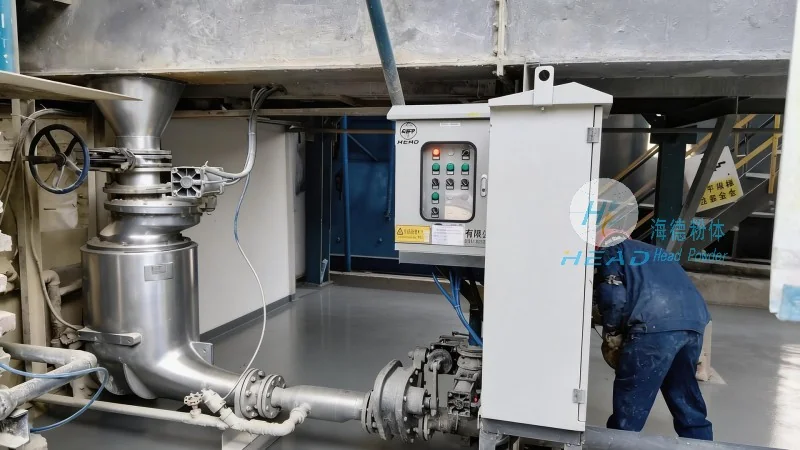
Gravity conveyance systems utilize the natural force of gravity to move materials from higher to lower elevations. This method is particularly effective for transporting bulk materials such as powders and granules that are less prone to segregation. In battery material processing, gravity chutes and inclined conveyors are commonly employed to move raw materials like lithium compounds, cobalt, or nickel ores from storage silos to processing units. The primary advantage of gravity conveyance is its low energy consumption and minimal maintenance requirements, making it an economical choice for many manufacturing facilities. However, it is limited by the need for a suitable elevation difference and may not be suitable for materials that require precise control over speed or direction.
Mechanical Conveyance Systems
Mechanical conveyance systems rely on mechanical components to move materials, offering greater control and flexibility compared to gravity systems. These systems are widely used in battery material handling due to their ability to transport materials over longer distances and at controlled speeds. Common types include belt conveyors, screw conveyors, and bucket elevators. Belt conveyors, for instance, are ideal for transporting powders and granules in bulk, providing a continuous and reliable flow. Screw conveyors, on the other hand, are effective for handling cohesive materials and can be used to mix or blend different components before further processing. Bucket elevators are particularly useful for vertical transport, moving materials from lower to higher levels with high efficiency. Shandong HeadPowder Engineering Co., Ltd. specializes in designing and manufacturing custom mechanical conveyance systems that integrate seamlessly with existing production lines, ensuring optimal performance and material quality.
Pneumatic Conveyance Systems
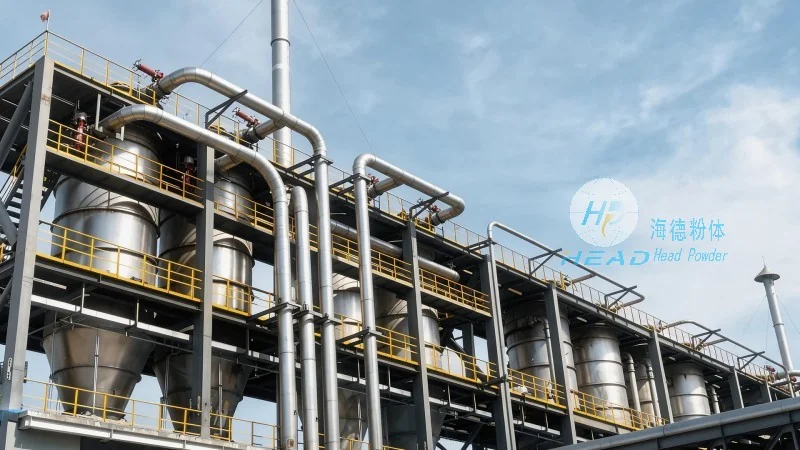
Pneumatic conveyance systems use compressed air or other gases to transport materials through a network of pipes. This method is highly versatile and can handle a wide range of materials, including fine powders and abrasive particles. In battery material processing, pneumatic systems are often used to transport raw materials from storage bins to processing equipment, or to move finished products to packaging areas. The main benefits of pneumatic conveyance include the ability to transport materials in a closed system, reducing dust exposure and contamination risks. Additionally, these systems can be designed for both positive and negative pressure, allowing for flexible material movement. However, they require higher energy input compared to gravity or mechanical systems and may have limitations with very fine or sticky powders that can cause blockages in the piping.
Electromagnetic and Vibratory Conveyors
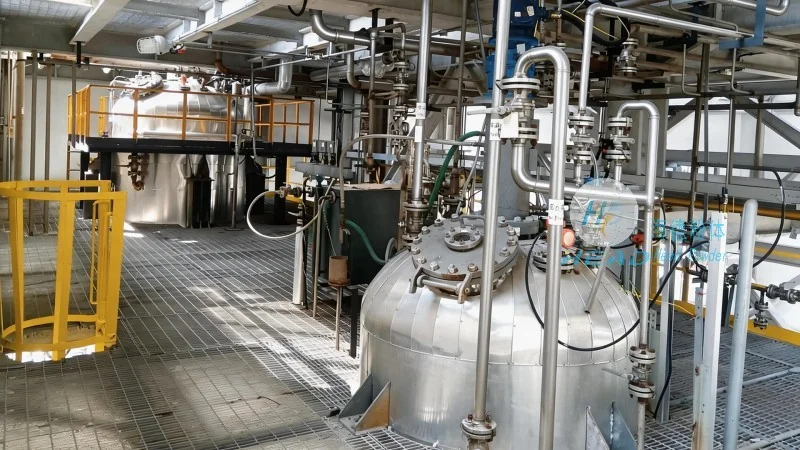
Electromagnetic and vibratory conveyors utilize electrical or mechanical vibrations to move materials along a conveyor surface. These systems are particularly effective for handling materials that are difficult to convey using traditional methods, such as sticky or cohesive powders. Electromagnetic conveyors use a magnetic field to attract and move ferromagnetic materials, while vibratory conveyors rely on the vibration of the conveyor bed to move materials forward. In battery material processing, these systems are often used to transport materials like cathode active materials or anode powders, which may have high moisture content or stickiness. The advantage of these systems is their ability to handle materials with low flowability, preventing material buildup and ensuring consistent throughput. Shandong HeadPowder Engineering Co., Ltd. offers advanced electromagnetic and vibratory conveyor solutions that are designed to improve material flow and reduce downtime in production processes.
Integration and Customization
For optimal efficiency in battery material conveyance, it is essential to integrate multiple systems and customize solutions to specific production needs. Shandong HeadPowder Engineering Co., Ltd. specializes in providing comprehensive conveyance solutions that combine different technologies to address the unique challenges of each manufacturing facility. For example, a typical setup might include a gravity chute to move materials from a silo to a belt conveyor, followed by a pneumatic system to transport the material to a mixing unit. The company’s engineering team works closely with clients to analyze their production processes, identify bottlenecks, and design customized conveyance systems that enhance productivity and material quality. By leveraging their expertise in material handling and industrial engineering, HeadPowder ensures that each conveyance solution is tailored to meet the specific requirements of the battery material processing industry.

 Shandong Headpowder Engineering Co., Ltd.
 156-6277-7102(Quản lý Trương)
  0531-83386006
  Thành phố Tế Nam, Tỉnh Sơn Đông, Trung Quốc
Điện thoại
WeChatTư vấn
Lên đầu